7 Days in Italy Travel Itinerary for First-Time Visitors
Planning your first trip to Italy? A well-structured 7 days in Italy travel itinerary for first-time visitors ensures you experience the country’s iconic cities, rich history, and world-class cuisine without feeling rushed. This guide covers a balanced route through Rome, Florence, and Venice—three must-see destinations that showcase Italy’s cultural depth, architectural grandeur, and regional flavors. With practical tips, timing suggestions, and logistical advice, you’ll maximize your week-long adventure while avoiding common pitfalls.
Why This 7-Day Itinerary Works for First-Timers
Italy’s top cities are compact enough to explore on foot yet packed with centuries of art, history, and culinary tradition. This itinerary prioritizes efficiency and immersion: three nights in Rome, two in Florence, and two in Venice. High-speed trains connect these cities in under three hours, minimizing transit time. You’ll see ancient ruins, Renaissance masterpieces, and canal-side charm—all within a manageable schedule that leaves room for gelato breaks and spontaneous discoveries.
Day-by-Day Breakdown: Your 7 Days in Italy
Days 1–3: Rome – The Eternal City
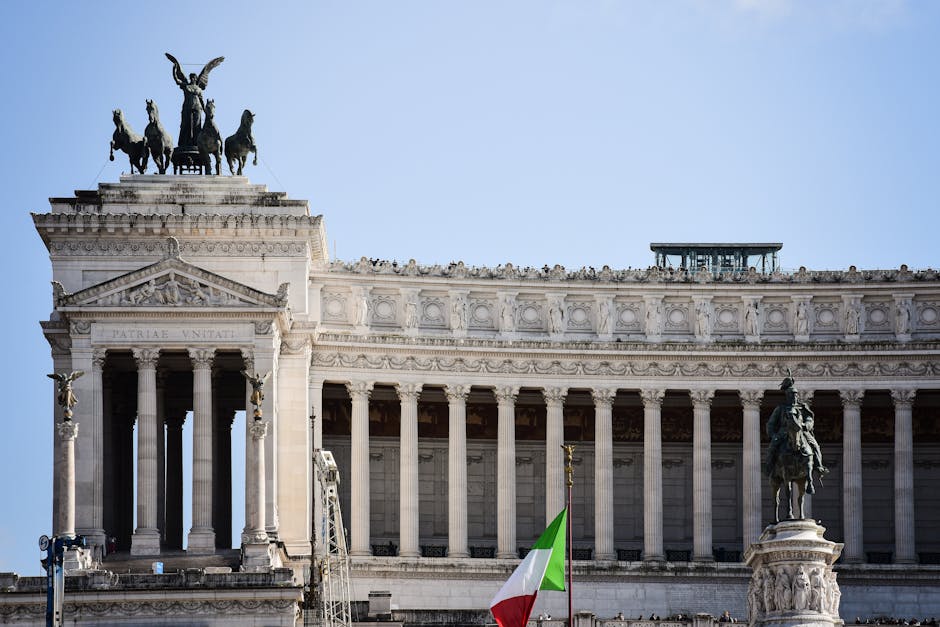
Begin in Rome, where ancient history meets vibrant modern life. Spend your first day acclimating with a walk from the Colosseum to the Roman Forum, then cool off near the Trevi Fountain. Book skip-the-line tickets in advance—lines can exceed two hours during peak season.
On day two, explore Vatican City: St. Peter’s Basilica, the Vatican Museums, and the Sistine Chapel. Arrive early or reserve a late-afternoon slot to avoid crowds. End with dinner in Trastevere, a charming neighborhood known for its cobblestone streets and authentic trattorias.
Use your third day for lesser-known gems: the Pantheon, Piazza Navona, and a food tour through Testaccio Market. Try supplì (fried rice balls) and cacio e pepe at a local osteria.
Days 4–5: Florence – Heart of the Renaissance
Take the Frecciarossa high-speed train from Rome to Florence (1.5 hours). Drop your bags and head straight to the Duomo. Climb Brunelleschi’s dome for panoramic views—book timed entry online.
Day five is for art and craft. Visit the Uffizi Gallery early, then stroll across Ponte Vecchio. In the afternoon, take a short trip to Fiesole for vineyard views or explore the leather markets near Santa Croce. Don’t miss a sunset aperitivo at Piazzale Michelangelo.
Days 6–7: Venice – The Floating City
Another high-speed train brings you to Venice in under two hours. Check into a hotel near Santa Lucia station to avoid hauling luggage across bridges.
Spend day six wandering the maze of alleys, visiting St. Mark’s Basilica and Doge’s Palace. Take a vaporetto (water bus) down the Grand Canal at dusk. On your final day, escape the crowds with a morning visit to the Rialto Market, then explore the quieter islands of Burano or Murano.
Getting Around: Trains, Taxis, and Timing
Italy’s rail network is reliable and affordable. Book Trenitalia or Italo tickets online 2–3 weeks ahead for the best prices. First-class seats offer more space but aren’t necessary for short trips. Validate regional train tickets before boarding—fines apply for unvalidated tickets.
In cities, walk whenever possible. Public transit is useful in Rome and Florence, but Venice relies entirely on boats. Avoid water taxis unless traveling with heavy luggage—vaporetti are far more economical.
Where to Stay: Neighborhood Recommendations
Choose accommodations based on proximity to major sights and transport hubs:
- Rome: Stay near Termini Station or in Monti for easy access and lively dining.
- Florence: Opt for the historic center—Oltrarno offers charm with fewer crowds.
- Venice: Cannaregio or Dorsoduro provide quieter stays with good vaporetto links.
Food and Dining Tips
Meals in Italy are leisurely affairs. Lunch is typically 12:30–2:30 PM; dinner starts after 7:30 PM. Avoid restaurants near major tourist sites—they often serve overpriced, mediocre food. Instead, look for places filled with locals.
Regional specialties to try:
- Rome: Cacio e pepe, carbonara, saltimbocca
- Florence: Bistecca alla Fiorentina, ribollita, lampredotto
- Venice: Cicchetti (Venetian tapas), risotto al nero di seppia, sarde in saor
Packing and Practical Advice
Pack comfortable walking shoes—cobblestones are unforgiving. Bring a lightweight scarf for entering churches (shoulders and knees must be covered). Carry a reusable water bottle; Italy has excellent public fountains.
Download offline maps and translation apps. While many Italians speak English, learning basic phrases like “grazie” and “permesso” goes a long way.
Compact Comparison: Key Cities at a Glance
| City | Best For | Average Train Time from Rome | Must-See Attraction |
|---|---|---|---|
| Rome | Ancient history, Vatican, street food | — | Colosseum |
| Florence | Renaissance art, Tuscan cuisine | 1h 30m | Uffizi Gallery |
| Venice | Canals, romantic ambiance, glass-making | 3h 45m (via Florence) | St. Mark’s Square |
Budget Considerations
A mid-range traveler can expect to spend €120–€180 per day, including lodging, meals, attractions, and local transport. Save by:
- Booking train tickets early
- Eating at trattorias instead of tourist cafes
- Using city tourist cards for discounted entry
Common Mistakes to Avoid
- Overpacking your schedule: Allow downtime between major sights.
- Ignoring siesta hours: Many shops close 1–4 PM.
- Not validating train tickets: Fines start at €50.
- Assuming all credit cards work: Carry cash for small vendors and markets.
Final Tips for a Smooth Trip
Download the Trenitalia app for real-time train updates. Keep digital and physical copies of your passport and reservations. Notify your bank of travel dates to avoid card blocks. And remember: slow down. Italy rewards those who linger over espresso, watch piazzas come alive at dusk, and embrace the unexpected.
FAQ
Is 7 days enough to see Italy?
Yes—if you focus on 2–3 cities. This itinerary covers Rome, Florence, and Venice efficiently without constant travel. Trying to add more destinations often leads to fatigue and less meaningful experiences.
What’s the best time of year for this itinerary?
April–June and September–October offer pleasant weather, fewer crowds, and lower prices. Summer is peak season but can be hot and congested, especially in Rome and Venice.
Do I need to rent a car?
No. Trains connect all major cities, and driving in historic centers is restricted and stressful. Public transit and walking are the best ways to explore.
This 7 days in Italy travel itinerary for first-time visitors balances must-see sights with authentic local experiences. With smart planning and a flexible mindset, your week in Italy will be both memorable and manageable.