7 Days in South Korea Travel Itinerary and Budget Guide
If you’re planning a week-long trip to South Korea, this practical 7 Days in South Korea Travel Itinerary and Budget Guide offers a balanced mix of culture, food, nature, and city exploration—all within a realistic budget. Whether you’re arriving in Seoul or starting elsewhere, this route covers must-see destinations, daily costs, transportation tips, and time-saving strategies. You’ll visit iconic palaces, hike scenic trails, sample street food, and experience local life—without overspending. With clear daily plans and cost breakdowns, this guide helps first-time and returning travelers make the most of their time and money.
Why This 7-Day Itinerary Works
A week is just enough time to experience South Korea’s highlights without feeling rushed. This itinerary balances urban energy with natural escapes and cultural immersion. You’ll spend four days in Seoul, one in Nami Island and the demilitarized zone (DMZ), and two days in Busan—the country’s coastal second city. Public transportation is efficient and affordable, and accommodations range from budget hostels to mid-tier hotels. Most attractions are reasonably priced, and meals at local markets or street stalls cost under $10. This plan minimizes backtracking and maximizes experiences per day.
Day-by-Day 7 Days in South Korea Travel Itinerary
Day 1: Arrival in Seoul – Explore Myeongdong and Namsan
Arrive at Incheon International Airport and take the Express Train (AREX) to Seoul Station (about 43 minutes, ₩9,500). Check into a centrally located hotel in Myeongdong or Hongdae. Drop your bags and head to Myeongdong for shopping and street food—try tteokbokki (spicy rice cakes) and hotteok (sweet pancakes) for under ₩5,000 each. In the evening, take the subway to Namsan Seoul Tower. Ride the cable car (₩12,000 round-trip) or hike up for panoramic city views. Stay for sunset and the illuminated tower.
Day 2: Historic Seoul – Palaces, Hanbok, and Insadong
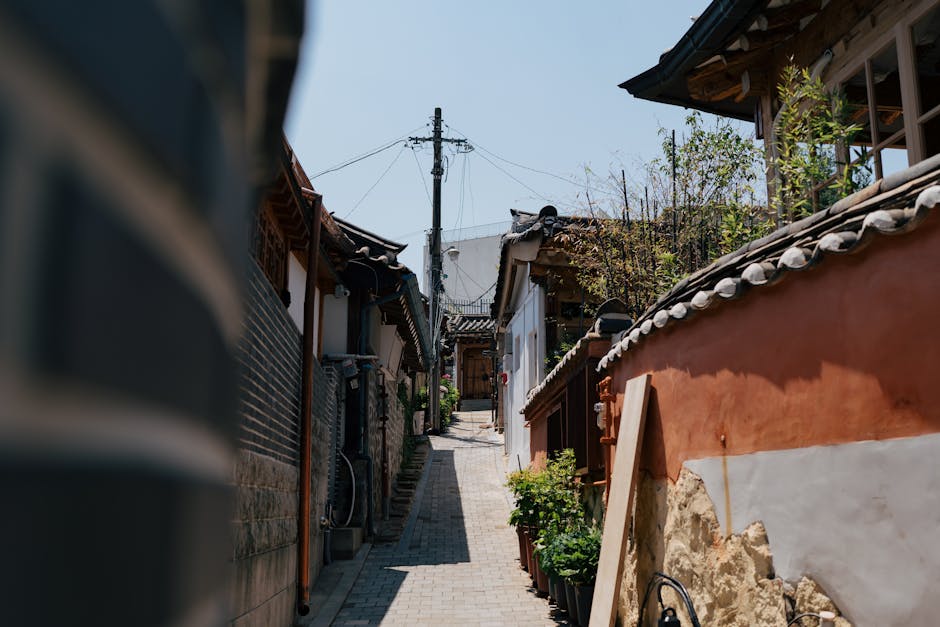
Start early at Gyeongbokgung Palace (₩3,000), arriving by 9:30 AM to catch the changing of the guard. Rent a hanbok (traditional clothing) nearby (₩10,000–15,000 for 4 hours) for free palace entry. Walk to Bukchon Hanok Village for traditional architecture and photo ops. After lunch in Insadong—try bibimbap at a local restaurant (₩10,000–12,000)—visit Jogyesa Temple and browse handicraft shops. End the day at Namdaemun Market for souvenirs and late-night snacks.
Day 3: Day Trip to Nami Island and the DMZ
Take an early train from Yongsan Station to Cheongnyangni, then transfer to the Gyeongchun Line to Gapyeong (about 1 hour total). From there, take a shuttle or taxi to Nami Island (₩16,000 round-trip including ferry). Spend 2–3 hours walking the tree-lined paths and visiting filming sites from the drama Winter Sonata. Return to Seoul and join a guided DMZ tour (book in advance, ₩80,000–100,000). Most tours include the Joint Security Area (JSA), Third Infiltration Tunnel, and Dora Observatory. Note: You must be 10+ and bring your passport.
Day 4: Modern Seoul – Hongdae, Hongik University, and Shopping
Sleep in and explore Hongdae, a youthful district known for indie music, street art, and cafes. Visit the Hongdae Free Market (Saturdays, 1–6 PM) for handmade goods. Grab brunch at a themed café (₩8,000–12,000), then shop at KT&G SangsangMadang for local fashion and design. In the afternoon, walk along the Hangang River or rent a bike (₩3,000/hour). End the day with Korean BBQ in Hongdae—expect to pay ₩15,000–20,000 per person for meat and sides.
Day 5: Travel to Busan – Beomeosa Temple and Haeundae Beach
Take the KTX high-speed train from Seoul Station to Busan (2.5 hours, ₩59,800 one-way). Store luggage at the station and head to Beomeosa Temple (subway Line 1 to Beomeosa Station, then bus). The temple sits in the mountains and offers serene walks and traditional architecture. Return to the city and check into a hotel near Haeundae Beach. Walk the beachfront, visit the Dongbaekseom Island trail, and watch the sunset. Dinner at a seafood restaurant along the shore—grilled squid and clam soup cost around ₩15,000.
Day 6: Busan Culture and Coastal Views
Start at Gamcheon Culture Village (₩3,000), a colorful hillside community with murals, galleries, and cafes. Take Bus 1-1 or 2 from Toseong Station. After lunch, visit Jagalchi Fish Market—the country’s largest seafood market. Try live octopus (sannakji) or fresh sashimi (₩10,000–20,000). In the afternoon, ride the Busan Air Cruise monorail (₩5,000) from Haeundae to Donghae Nammun for coastal views. Return for dinner in the Gukje Market area.
Day 7: Return to Seoul and Departure
Take an early KTX back to Seoul (book a morning departure). If time allows, visit COEX Mall and the Starfield Library near Samseong Station. Pick up last-minute souvenirs like Korean snacks or skincare at Lotte Department Store. Head to Incheon Airport via AREX (allow 1.5 hours total). For budget travelers, consider taking the all-stop train (₩5,000) instead of the express.
Budget Breakdown: What to Expect
South Korea is affordable for travelers who avoid luxury hotels and fine dining. Below is a realistic daily cost estimate for one person, excluding flights:
| Category | Daily Cost (₩) | Notes |
|---|---|---|
| Accommodation | 40,000–80,000 | Hostels from ₩25,000; mid-range hotels ₩70,000+ |
| Food | 25,000–40,000 | Street food ₩3,000–7,000; restaurant meals ₩8,000–15,000 |
| Transportation | 10,000–20,000 | T-money card covers subways, buses, and some trains |
| Attractions & Tours | 15,000–30,000 | Palaces ₩3,000; DMZ tour ₩80,000 (one-time) |
| Miscellaneous | 10,000 | Souvenirs, SIM card, snacks |
Total estimated cost for 7 days: ₩700,000–1,000,000 (about $520–740 USD). Travelers can reduce costs by staying in guesthouses, eating at convenience stores (₩1,000–3,000 per meal), and using group tour discounts.
Tips to Save Money and Time
- Get a T-money card at any convenience store (₩4,000 deposit). It works on subways, buses, and some taxis, with small fare discounts.
- Book KTX tickets in advance via Korail for lower prices. Off-peak fares start at ₩49,000.
- Use free walking tours in Seoul and Busan (tip-based). They’re great for orientation and local insights.
- Avoid taxis during rush hour (7–9 AM, 6–8 PM). Subways are faster and cheaper.
- Download Naver Map—it’s more accurate than Google Maps for transit in South Korea.
What to Pack and Know Before You Go
South Korea has four distinct seasons. In spring (March–May) and fall (September–November), pack layers and a light jacket. Summers are hot and humid—bring breathable clothing and sunscreen. Winters are cold and dry; a warm coat, gloves, and boots are essential. Plug adapters are Type C/F (220V), so bring a converter if needed. Most signs are in Korean and English, but learning basic phrases like annyeonghaseyo (hello) and gamsahamnida (thank you) goes a long way. Wi-Fi is widely available, but consider renting a pocket Wi-Fi or buying a SIM card at the airport (₩20,000–50,000 for 7 days).
Common Challenges and How to Avoid Them
Relying solely on English can be difficult outside major tourist areas. Download a translation app like Papago. Tipping is not expected and may be refused. Public restrooms are generally clean, but carry tissues—some don’t provide toilet paper. Avoid eating while walking in traditional areas like Insadong—it’s considered impolite. Lastly, respect photography rules at temples and palaces; some areas prohibit selfie sticks or flash.
FAQ
Q: Is 7 days enough to see South Korea?
A: Yes, if you focus on Seoul and one other city like Busan. This itinerary covers major highlights without rushing.
Q: How much should I budget per day in South Korea?
A: Budget travelers can manage on ₩70,000–100,000 ($50–75 USD) per day. Mid-range travelers should plan for ₩120,000–180,000.
Q: Do I need a visa to visit South Korea?
A: Citizens of the US, UK, Canada, Australia, and most EU countries can enter visa-free for up to 90 days. Check your country’s requirements before traveling.
Final Thoughts
This 7 Days in South Korea Travel Itinerary and Budget Guide balances sightseeing, culture, and cost-efficiency. You’ll experience Seoul’s historic grandeur and modern energy, then unwind in Busan’s coastal charm. With smart planning, public transit, and local eats, you can enjoy a rich, immersive trip without overspending. Stick to the schedule, stay flexible, and embrace the unexpected—South Korea rewards curious travelers.