
3 Days in Budapest Travel Itinerary for Travelers
If you’re planning a short but memorable trip to Hungary’s capital, a well-structured 3 Days in Budapest Travel Itinerary for Travelers ensures you experience the city’s iconic landmarks, thermal baths, and rich culture without feeling rushed. Budapest blends historic grandeur with vibrant modern energy, offering everything from UNESCO-listed architecture to world-class dining. This guide walks you through a balanced three-day plan that covers must-see sights, local flavors, and practical tips—ideal for first-time visitors or those returning for a quick urban escape.
Why Budapest Is Perfect for a 3-Day Trip
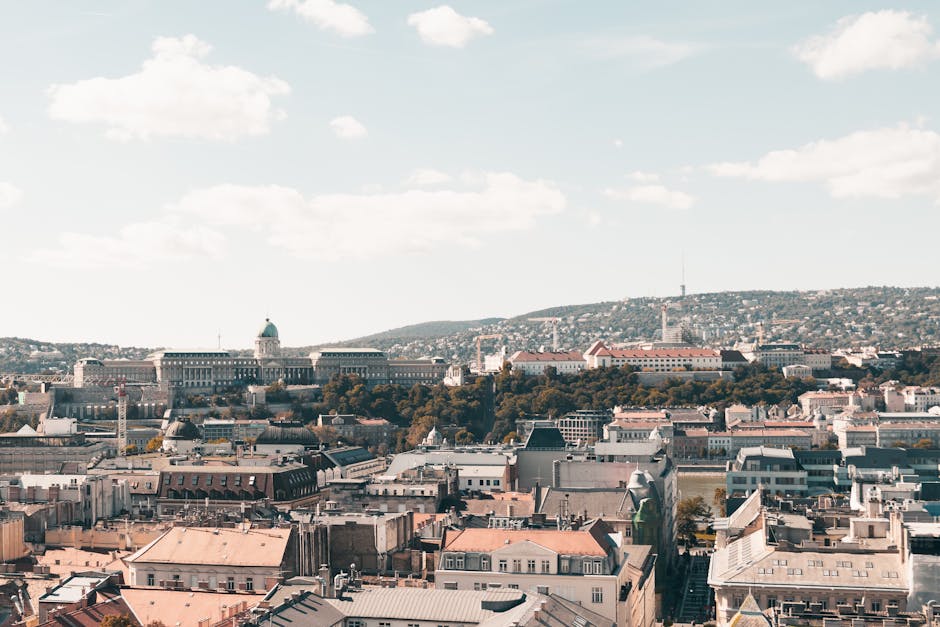
Budapest is compact enough to explore efficiently, yet diverse enough to fill three full days with meaningful experiences. The city is divided by the Danube River into Buda and Pest, each offering distinct atmospheres. Buda is hilly and historic, home to castles and viewpoints, while Pest is flat, lively, and full of cafes, ruin bars, and markets. With efficient public transport and walkable neighborhoods, you can cover major attractions without excessive travel time.
Day 1: Historic Buda and Panoramic Views
Start your 3 Days in Budapest Travel Itinerary for Travelers on the Buda side to ease into the city’s imperial past. Begin early at Buda Castle, a sprawling palace complex that now houses the Hungarian National Gallery and Budapest History Museum. Walk through the Castle District’s cobbled streets, where Baroque and Gothic architecture line the way to Matthias Church and Fisherman’s Bastion.
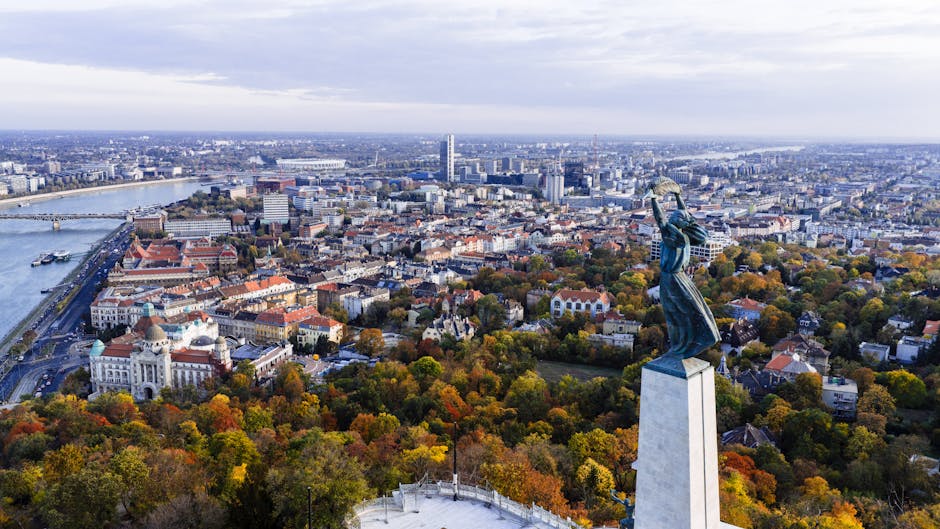
Fisherman’s Bastion offers one of the best panoramic views of Pest and the Danube, especially at sunrise or golden hour. The neo-Romanesque turrets and terraces are free to access, though some sections require a small fee. Afterward, stroll down to the Danube Promenade and cross the iconic Chain Bridge on foot—its lion statues and iron chains are as photogenic as they are historic.
For lunch, head to Pierrot, a cozy restaurant in the Castle District serving traditional Hungarian dishes like goulash and chicken paprikash. In the afternoon, visit the Hospital in the Rock Museum, a Cold War-era nuclear bunker turned interactive exhibit beneath the castle. It’s a unique glimpse into Budapest’s 20th-century tensions.
End your day with a sunset cruise on the Danube. Several operators offer affordable 60- to 90-minute evening tours that pass under illuminated bridges and past the glowing Parliament building. It’s a relaxing way to cap off your first day with a new perspective of the city.
Day 2: Thermal Baths, Ruin Bars, and Local Life
Day two centers on Budapest’s famed thermal culture and vibrant nightlife. Start at Széchenyi Thermal Bath, located in City Park. One of Europe’s largest spa complexes, it features multiple indoor and outdoor pools, steam rooms, and saunas. Arrive by 9 a.m. to avoid crowds and enjoy a morning soak in the warm, mineral-rich waters. Lockers and towels are available for rent, or bring your own to save money.
After your bath, explore City Park. Visit Vajdahunyad Castle, a whimsical architectural mash-up that houses the Museum of Hungarian Agriculture. Nearby, Heroes’ Square marks the entrance to Andrássy Avenue, a grand boulevard lined with luxury shops and historic buildings, leading to the Opera House.
For lunch, try a casual meal at Karavan Street Food, a row of gourmet food trucks behind the Opera House. Options range from lángos (fried dough with toppings) to gourmet burgers and vegan bowls. It’s fast, affordable, and popular with locals.
In the afternoon, wander through the Jewish Quarter. Visit the Great Synagogue on Dohány Street—the largest in Europe—and the nearby Holocaust Memorial Center. The area is also home to Budapest’s famous ruin bars, such as Szimpla Kert, set in a converted factory with eclectic decor and live music. While these bars are best experienced at night, visiting during the day gives you a sense of their unique atmosphere without the crowds.
As evening falls, return to Szimpla Kert or try Instant-Fogas for a more spacious ruin bar experience. Order a local craft beer or a glass of Tokaji wine and enjoy the lively, artsy vibe that defines Budapest’s nightlife.
Day 3: Parliament, Markets, and Local Flavors
Your final day focuses on Pest’s civic heart and culinary scene. Begin with a guided tour of the Hungarian Parliament Building, one of the most photographed structures in Europe. Tours run every hour and include access to the grand staircase, central dome, and historic chambers. Book tickets online in advance—walk-up availability is limited, especially on weekends.
After the tour, walk along the Danube Promenade toward the Shoes on the Danube Bank memorial, a somber tribute to Jews executed during WWII. It’s a powerful stop that adds historical depth to your visit.
Next, head to the Central Market Hall, a bustling indoor market on the Pest side. The ground floor offers fresh produce, meats, and spices, while the upper level has food stalls serving traditional snacks. Try a chimney cake (kürtőskalács) or a bowl of lángos with sour cream and cheese. For a sit-down meal, grab a seat at one of the small eateries near the back.
In the afternoon, explore the nearby Belváros (Inner City) neighborhood. Visit St. Stephen’s Basilica, where you can climb to the dome for another city view. The surrounding streets are lined with boutiques, bookshops, and cafes. Stop by Café Gerbeaud, a historic confectionery dating to 1858, for coffee and a slice of Dobos torte.
If time allows, take a short tram ride to Margaret Island, a peaceful green space in the middle of the Danube. Rent a bike or simply walk the paths, visit the musical fountain, and relax by the Japanese garden. It’s a quiet contrast to the city’s energy and a fitting way to unwind before departure.
Essential Tips for Your Budapest Trip
To make the most of your 3 Days in Budapest Travel Itinerary for Travelers, keep these practical tips in mind:
- Transport: Budapest’s public transit system (metro, tram, bus) is reliable and affordable. Purchase a 72-hour travel pass for unlimited rides.
- Currency: Hungary uses the forint (HUF). Credit cards are widely accepted, but carry cash for small vendors and markets.
- Language: While many locals speak English, learning a few Hungarian phrases like “köszönöm” (thank you) goes a long way.
- Timing: Start early to beat crowds at major attractions, especially at the baths and Parliament.
- Dress code: Thermal baths require swimwear. Some upscale restaurants and clubs may enforce smart casual attire.
Comparing Budapest’s Top Attractions
To help you prioritize, here’s a quick comparison of key sights based on visit duration, cost, and best time to go:
| Attraction | Duration | Cost (Approx.) | Best Time to Visit |
|---|---|---|---|
| Buda Castle & Castle District | 2–3 hours | Free (museums extra) | Morning, weekdays |
| Széchenyi Thermal Bath | 2–4 hours | €20–€30 | Early morning or late afternoon |
| Hungarian Parliament Tour | 1 hour | €20–€25 | Weekday mornings |
| Fisherman’s Bastion | 1 hour | Free (partial access) | Sunrise or sunset |
| Ruin Bar (Szimpla Kert) | 1–2 hours | €5–€10 entry (drinks extra) | Evening, Thursday–Saturday |
Final Thoughts
A 3 Days in Budapest Travel Itinerary for Travelers offers a rich blend of history, relaxation, and local flavor. By balancing iconic sights with authentic experiences—like soaking in a thermal bath or sipping wine in a ruin bar—you’ll leave with a well-rounded impression of this dynamic city. With smart planning and a flexible mindset, three days is more than enough to fall in love with Budapest.
FAQ
Q: Is Budapest safe for solo travelers?
A: Yes, Budapest is generally safe for solo travelers. Stick to well-lit, populated areas at night, and be cautious with valuables in crowded markets and on public transport.
Q: Do I need to book tickets in advance?
A: Yes, for the Parliament tour and popular thermal baths like Széchenyi, advance booking is recommended to avoid long lines or sold-out sessions.
Q: What’s the best time of year to visit Budapest?
A: Spring (April–May) and fall (September–October) offer pleasant weather, fewer crowds, and lower prices. Summer is busy but ideal for outdoor activities and festivals.