One Week in Spain Travel Itinerary and Budget Guide
Planning a trip to Spain? A well-structured One Week in Spain Travel Itinerary and Budget Guide helps you maximize your time and money across iconic cities like Madrid, Barcelona, and Seville. This guide outlines a realistic 7-day route, daily activities, transportation tips, and a detailed budget breakdown—covering mid-range and budget options. Whether you’re exploring historic plazas, savoring tapas, or strolling along Mediterranean beaches, this plan ensures a balanced mix of culture, cuisine, and relaxation without overspending.
Why a One-Week Itinerary Works for Spain
Spain’s compact geography and efficient rail network make it ideal for a week-long trip. You can comfortably visit three major cities without feeling rushed. High-speed trains connect Madrid, Barcelona, and Seville in under three hours, allowing you to experience diverse regions—from the artistic hubs of Catalonia to the Andalusian charm of the south. A seven-day window also aligns with most vacation policies, making it practical for working travelers.
Recommended 7-Day Route: Madrid → Seville → Barcelona
This itinerary balances history, food, and scenery. Start in Madrid for art and urban energy, head south to Seville for flamenco and Moorish architecture, then finish in Barcelona for beaches and Gaudí’s masterpieces. The route minimizes backtracking and leverages Spain’s excellent AVE high-speed trains.
Day 1–2: Madrid – Art, Parks, and Tapas
Begin your journey in Spain’s capital. Spend your first day at the Prado Museum, home to works by Velázquez and Goya. Walk through Retiro Park and enjoy churros con chocolate at San Ginés. On day two, explore the historic Plaza Mayor and Royal Palace. For dinner, try bocadillo de calamares in La Latina. Stay near Sol or Gran Vía for easy access to attractions.
Day 3–4: Seville – Flamenco, Alcázar, and Orange Trees
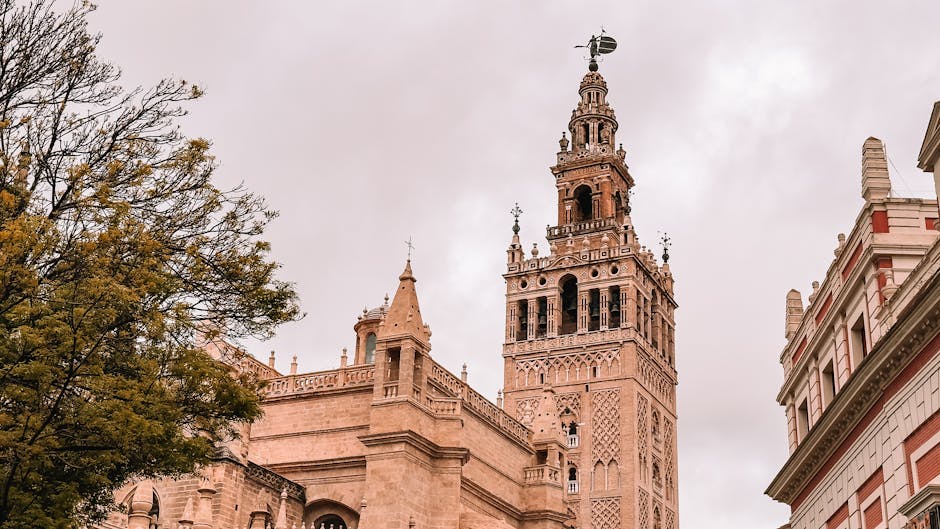
Take the AVE train from Madrid to Seville (2h 30m). Check into a centrally located hotel or guesthouse. Visit the Royal Alcázar, a UNESCO site with stunning gardens, and climb the Giralda Tower for panoramic views. In the evening, catch a flamenco show at Casa de la Memoria. On day four, wander the Santa Cruz neighborhood and enjoy fresh seafood at El Rinconcillo, Spain’s oldest restaurant.
Day 5–7: Barcelona – Gaudí, Beaches, and Local Markets
Fly or take the train to Barcelona (1h flight or 6h by train). Start with Sagrada Família—book tickets in advance to avoid lines. Walk down La Rambla and explore Boquería Market. On day six, visit Park Güell and Gothic Quarter. End your trip with a sunset at Barceloneta Beach and dinner in the Gràcia district. Consider a day trip to Montserrat if time allows.
Transportation Tips and Costs
Spain’s transportation system is reliable and affordable. Use the AVE high-speed train for city-to-city travel. Book tickets early on Renfe for discounts. Within cities, metro systems are efficient—Madrid and Barcelona offer multi-day passes. Avoid renting a car; parking is expensive and unnecessary in urban centers.
Budget-Friendly Transit Options
- Madrid to Seville: AVE train, €35–€60 (book 30+ days ahead)
- Seville to Barcelona: Budget flight (Vueling, Ryanair), €40–€80; or overnight train, €50–€90
- City transit passes: 10-trip metro ticket in Madrid (€12.20), T-Casual in Barcelona (€11.35)
Accommodation: Where to Stay
Choose centrally located accommodations to save time and money. Mid-range hotels cost €80–€120/night; budget hostels start at €25. Use platforms like Booking.com or Hostelworld to compare prices. In Seville, stay near Santa Cruz; in Barcelona, opt for Eixample or El Born.
Daily Budget Breakdown
Your total cost depends on travel style. Below is a comparison of daily expenses for budget and mid-range travelers.
| Expense Category | Budget Traveler (€/day) | Mid-Range Traveler (€/day) |
|---|---|---|
| Accommodation | 30–50 | 80–120 |
| Food | 20–30 | 40–60 |
| Transportation (local) | 5–10 | 10–15 |
| Attractions & Activities | 10–20 | 25–40 |
| Total per day | 65–110 | 155–235 |
For a week-long trip, expect to spend €455–€770 (budget) or €1,085–€1,645 (mid-range). Flights to and from Spain are not included. Traveling in shoulder seasons (April–May, September–October) reduces costs and crowds.
Food and Dining: Eat Like a Local
Spanish cuisine is a highlight. Avoid tourist traps near major plazas—look for places filled with locals. Order the menú del día (daily menu) for a 3-course meal at €12–€18. Try jamón ibérico in Madrid, pescaíto frito in Seville, and pan con tomate in Barcelona. Tapas bars offer small plates perfect for sharing. Always carry cash—some smaller venues don’t accept cards.
Packing Essentials and Travel Tips
- Comfortable walking shoes: Cobblestone streets are common.
- Light layers: Weather varies by region and season.
- Power adapter: Spain uses Type F plugs (230V).
- Reusable water bottle: Tap water is safe to drink.
- Travel insurance: Recommended for medical coverage and trip delays.
Common Mistakes to Avoid
- Overpacking your schedule: Allow downtime between activities.
- Ignoring siesta hours: Many shops close 2–5 PM; plan accordingly.
- Not booking major attractions in advance: Sagrada Família and Alcázar sell out quickly.
- Assuming English is widely spoken: Learn basic Spanish phrases; locals appreciate the effort.
Final Thoughts
A One Week in Spain Travel Itinerary and Budget Guide gives you a realistic framework to explore Spain’s highlights without overspending. By focusing on three key cities, using efficient transport, and sticking to a daily budget, you can enjoy world-class art, historic sites, and authentic cuisine. With careful planning, your week in Spain will be both memorable and affordable.
FAQ
Is one week enough time to see Spain?
Yes, if you focus on 2–3 cities. Trying to cover more can lead to rushed experiences. This itinerary balances depth and variety.
What’s the cheapest way to travel between cities?
Book AVE high-speed train tickets in advance on Renfe. Budget airlines like Vueling also offer low fares for Seville to Barcelona.
Do I need to speak Spanish to get by?
Not necessarily, but knowing basic phrases helps. In tourist areas, English is common, but locals appreciate efforts to communicate in Spanish.