
2 Days in Tokyo Travel Itinerary: A Smart, Efficient Guide for First-Time Visitors
If you only have 48 hours in Japan’s capital, this 2 Days in Tokyo travel itinerary ensures you experience the city’s best without wasting time. We’ve mapped out a realistic, well-paced plan that balances iconic sights, local culture, food, and transit efficiency. This guide covers must-see neighborhoods, practical timing, and insider tips so you can maximize your short stay. Whether you’re arriving from Narita or Haneda, we’ll help you hit the highlights with minimal stress and maximum impact.
Why This 2-Day Tokyo Itinerary Works
Tokyo is vast, fast-paced, and full of options—but with only two days, every hour counts. The key is grouping nearby attractions and using the efficient subway system to minimize backtracking. This itinerary clusters experiences by district, starting in central Tokyo and moving outward strategically. We’ve prioritized accessibility, crowd patterns, and meal timing to keep your energy up and your schedule tight. No filler, no detours—just a clear path through the city’s most rewarding spots.
Day 1: Central Tokyo Highlights – Tradition, Tech, and Taste
Morning: Asakusa and Senso-ji Temple
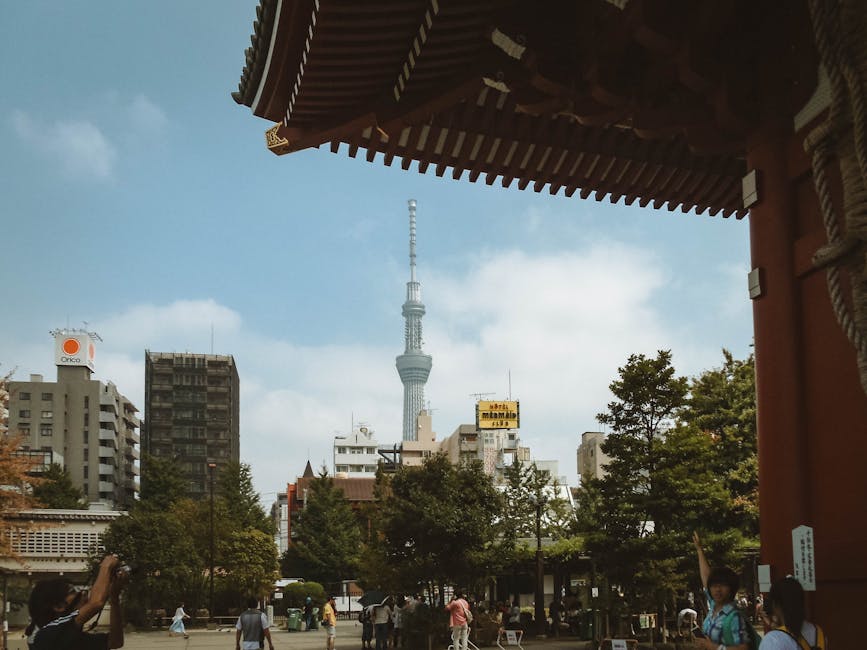
Start your first day early at Senso-ji, Tokyo’s oldest and most famous Buddhist temple. Arrive by 8:00 AM to beat the crowds and enjoy the quiet glow of incense near the main hall. Walk down Nakamise-dori, the lively shopping street leading to the temple, where you can sample traditional snacks like melon pan or age-manju (fried sweet bean buns).
After visiting the temple, take a short walk to the Sumida River for a quick riverside stroll or a 30-minute Sumida River Cruise to Odaiba (optional, but scenic). If you skip the cruise, head straight to your next stop via the Ginza Line.
Midday: Ueno Park and Museums
Take the subway to Ueno Station—a cultural hub with museums, gardens, and street performers. Visit the Tokyo National Museum if you’re interested in Japanese art and history (allow 1.5–2 hours), or simply relax in Ueno Park and feed the ducks. The area is also great for lunch—try Ameyoko Market for affordable street food like yakitori, fresh seafood, or takoyaki.
Afternoon: Akihabara for Electronics and Anime
Hop on the Hibiya Line to Akihabara, Tokyo’s electric town. This is the place for tech lovers and anime fans. Browse multi-story electronics stores like Yodobashi Camera or explore themed cafes such as a maid café or Gundam Base. Even if you’re not into anime, the energy and neon signs are worth seeing. Spend 1–2 hours here, then head toward Ginza.
Evening: Ginza for Dinner and Stroll
End your first day in Ginza, Tokyo’s upscale shopping and dining district. Walk along Ginza-dori to see luxury boutiques and department stores like Mitsukoshi. For dinner, choose from a range of options: a classic kaiseki meal at a mid-range restaurant, fresh sushi at a conveyor belt spot, or a bowl of ramen at a hidden alleyway shop. After dinner, enjoy a quiet evening walk or catch a performance at the Kabuki-za Theatre (book tickets in advance).
Day 2: Modern Tokyo and Local Life – Shibuya, Harajuku, and Shinjuku
Morning: Meiji Shrine and Harajuku
Start Day 2 with a peaceful moment at Meiji Shrine, tucked in a forest just steps from bustling Shibuya. Arrive by 9:00 AM to enjoy the serene atmosphere and maybe witness a Shinto wedding. From there, walk to Harajuku via the tree-lined Omotesando avenue, known as Tokyo’s Champs-Élysées for its sleek architecture and fashion boutiques.
Once in Harajuku, explore Takeshita Street—a narrow lane packed with colorful shops, crepe stands, and youth fashion. Try a strawberry cream crepe or rainbow cotton candy, then browse quirky stores like Kiddy Land for Hello Kitty and anime goods.
Midday: Shibuya Crossing and Hachiko Statue
Walk or take one subway stop to Shibuya. No Tokyo trip is complete without seeing the world’s busiest pedestrian crossing. Stand on the second floor of Shibuya Sky or the Starbucks near the scramble for a great photo op. Visit the Hachiko Statue outside Shibuya Station—a tribute to the loyal dog—and grab a quick lunch at MAGNET by Shibuya 109, which offers a variety of casual eateries with city views.
Afternoon: Shinjuku Exploration
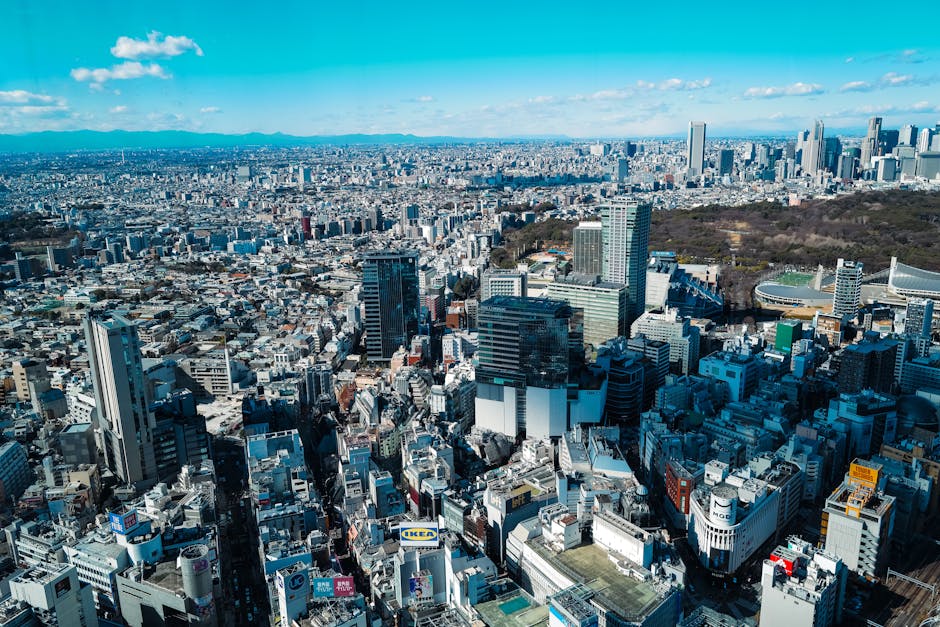
Take the JR Yamanote Line to Shinjuku, one of Tokyo’s most dynamic districts. Start at the Tokyo Metropolitan Government Building—free observation decks on the 45th floor offer panoramic views of the city and Mt. Fuji on clear days. Then, explore Shinjuku Gyoen National Garden for a peaceful escape, especially beautiful during cherry blossom season.
Evening: Golden Gai or Omoide Yokocho
As dusk falls, choose between two iconic nightlife alleys: Golden Gai or Omoide Yokocho. Golden Gai features tiny, themed bars—some seat only six people—and is perfect for a drink with atmosphere. Omoide Yokocho (“Memory Lane”) offers narrow alleys lined with yakitori stalls and retro signage. Both are within walking distance of Shinjuku Station and offer a taste of old Tokyo.
Getting Around: Tokyo Transit Tips
Tokyo’s public transit is clean, punctual, and extensive. For this itinerary, a Suica or Pasmo card is essential—load it with ¥2,000–¥3,000 and tap in and out of trains and buses. Avoid rush hours (7:30–9:30 AM and 5:00–7:00 PM) when possible. Download the Google Maps app or Japan Travel by Navitime for real-time subway directions and walking routes.
Where to Stay for a 2-Day Tokyo Trip
For a short stay, base yourself near a major transit hub. Shinjuku, Shibuya, and Tokyo Station offer excellent connectivity and plenty of hotels at various price points. Staying in Shinjuku, for example, puts you on the Yamanote Line, which loops through most of your destinations.
Compact Comparison: Day 1 vs. Day 2 Focus
| Day | Main Themes | Key Neighborhoods | Best For |
|---|---|---|---|
| Day 1 | Tradition, history, shopping | Asakusa, Ueno, Akihabara, Ginza | Cultural immersion, temple visits, tech exploration |
| Day 2 | Modern energy, youth culture, nightlife | Harajuku, Shibuya, Shinjuku | People-watching, fashion, urban energy, dining |
Packing and Practical Tips
- Wear comfortable shoes—you’ll walk 8–12 km per day.
- Carry cash—many small restaurants and shops don’t accept cards.
- Download offline maps—Wi-Fi isn’t always reliable.
- Respect local customs: bow when greeting, don’t eat while walking, and keep voices low on trains.
Final Thoughts on Your 2 Days in Tokyo
This 2 Days in Tokyo travel itinerary balances structure with flexibility, letting you experience the city’s contrasts—ancient temples next to futuristic skyscrapers, quiet gardens beside roaring crowds. Stick to the plan, but leave room for spontaneity: a vending machine coffee, a street performance, or a detour into a tiny bookshop. Tokyo rewards curiosity, and even in 48 hours, you’ll leave with a strong sense of its rhythm and charm.
FAQ
Is 2 days enough to see Tokyo?
Two days is tight but sufficient to experience Tokyo’s highlights. This itinerary focuses on must-see areas and efficient routing so you get a strong taste of the city without feeling rushed.
What’s the best way to get from the airport to central Tokyo?
From Narita, take the Narita Express (N’EX) train to Tokyo or Shinjuku. From Haneda, use the Keikyu Line or Tokyo Monorail to reach central stations. Both take 30–60 minutes and cost ¥1,000–¥3,000.
Should I buy a Tokyo tourist pass?
For a 2-day trip, a Suica/Pasmo card is more flexible than a tourist pass. The Tokyo Metro 24-hour pass (¥800) can save money if you take 4+ subway rides in a day, but most visitors do fine with pay-as-you-go.