
Top Tourist Attractions in Tokyo You Must Visit in 2026
Tokyo, a dynamic blend of tradition and innovation, continues to captivate travelers with its iconic landmarks, cultural depth, and futuristic energy. If you’re planning a trip in 2026, knowing the top tourist attractions in Tokyo ensures you experience the city’s highlights efficiently and meaningfully. From historic temples and serene gardens to cutting-edge districts and world-class museums, Tokyo offers something for every traveler. This guide covers must-see destinations, practical tips, and insider insights to help you make the most of your visit.
Why Tokyo Remains a Premier Global Destination
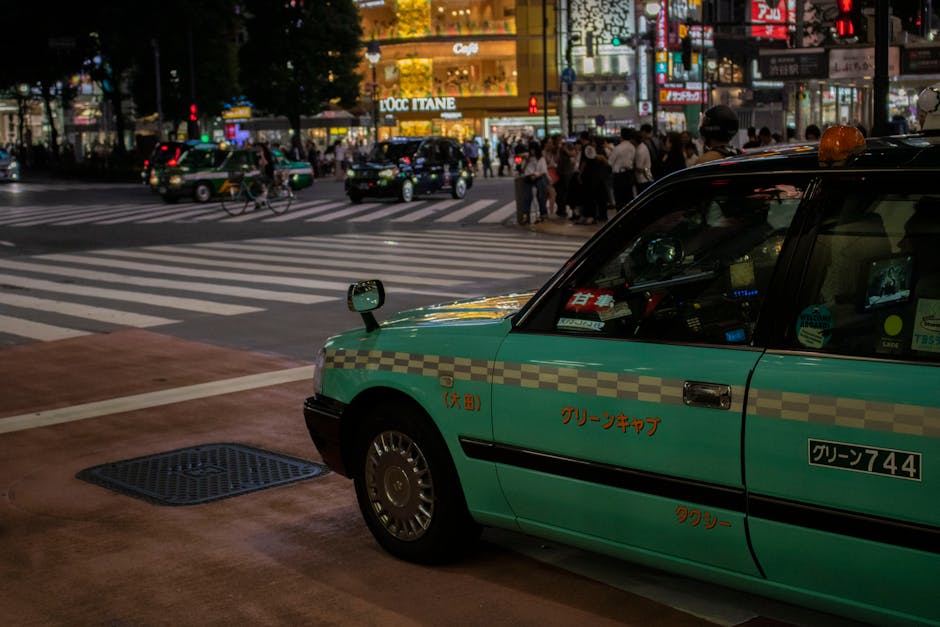
Tokyo consistently ranks among the world’s most visited cities due to its safety, cleanliness, efficient public transport, and diverse attractions. In 2026, the city will continue to benefit from post-pandemic recovery, improved infrastructure, and renewed cultural programming. Major events, including international exhibitions and seasonal festivals, will enhance the visitor experience. Whether you’re drawn to ancient shrines, pop culture, or culinary adventures, Tokyo delivers with unmatched variety and accessibility.
Historic and Cultural Landmarks
For travelers interested in Japan’s rich heritage, Tokyo’s historic sites offer a window into centuries of tradition.
Senso-ji Temple (Asakusa)
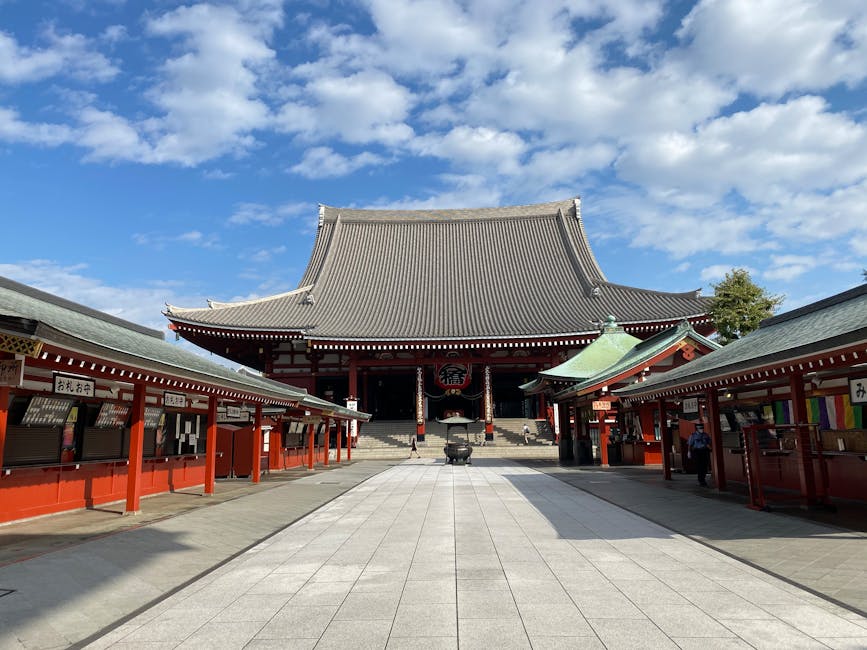
Tokyo’s oldest temple, Senso-ji in Asakusa, dates back to the 7th century and remains a spiritual and cultural hub. Visitors pass through the massive Kaminarimon gate, stroll down Nakamise-dori lined with traditional snack shops, and offer prayers at the main hall. Arrive early to avoid crowds and witness the temple in a more peaceful setting. The surrounding Asakusa district also features preserved Edo-era architecture and riverside views along the Sumida River.
Meiji Shrine (Shibuya)
Nestled in a forested enclave near bustling Harajuku, Meiji Shrine honors Emperor Meiji and Empress Shoken. The tranquil path to the shrine, flanked by towering trees, offers a stark contrast to the urban energy nearby. Visitors can write wishes on ema (wooden plaques) and observe traditional Shinto ceremonies. The shrine’s sake and wine barrels, displayed as offerings, reflect the fusion of culture and nature central to Japanese tradition.
Imperial Palace and East Gardens
The primary residence of Japan’s Emperor, the Imperial Palace sits in the heart of Tokyo within a moated compound. While interior tours require advance booking and are limited, the East Gardens are open to the public and offer beautifully landscaped grounds, historic ruins, and seasonal cherry blossoms. The Ninomaru Garden, in particular, provides a peaceful retreat with traditional Japanese design elements.
Modern Marvels and Urban Experiences
Tokyo’s modern side shines through its futuristic architecture, vibrant districts, and technological innovation.
Tokyo Skytree
Standing at 634 meters, Tokyo Skytree is the tallest structure in Japan and offers panoramic views of the city and beyond. The observation decks on the 350th and 450th floors provide clear sightlines to Mount Fuji on sunny days. The adjacent Solamachi complex features over 300 shops, restaurants, and an aquarium, making it a full-day destination. Visit during sunset for a dramatic shift from daylight to city lights.
Shibuya Crossing
Often called the busiest pedestrian crossing in the world, Shibuya Crossing is a symbol of Tokyo’s urban intensity. Up to 3,000 people cross at once during peak times, creating a mesmerizing flow of movement. For the best view, head to the Shibuya Sky observation deck or the Starbucks on the second floor of the QFRONT building. The surrounding area is packed with fashion boutiques, themed cafes, and nightlife options.
Odaiba
This artificial island in Tokyo Bay blends entertainment, shopping, and futuristic design. Key attractions include teamLab Borderless (reopening in 2024 and expected to draw crowds in 2026), the life-sized Unicorn Gundam statue, and the Rainbow Bridge with evening illuminations. Odaiba also features beaches, hot spring resorts, and waterfront parks ideal for evening strolls.
Nature and Relaxation in the City
Despite its urban density, Tokyo offers numerous green spaces and natural retreats.
Ueno Park
One of Tokyo’s largest parks, Ueno is home to multiple museums, a zoo, and over 1,000 cherry trees that bloom spectacularly in spring. The park hosts seasonal festivals, including hanami (flower viewing) parties, and serves as a cultural corridor with institutions like the Tokyo National Museum and Ueno Zoo, where giant pandas are a major draw.
Shinjuku Gyoen National Garden
This expansive garden combines Japanese, English, and French landscape styles. It’s particularly popular during cherry blossom and autumn foliage seasons. Unlike Ueno, Shinjuku Gyoen offers a quieter atmosphere, making it ideal for relaxation. Entry requires a small fee, but the well-maintained paths, teahouses, and seasonal flora justify the cost.
Museums and Cultural Institutions
Tokyo’s museums cater to a wide range of interests, from art and history to science and pop culture.
Tokyo National Museum
Located in Ueno Park, this is Japan’s oldest and largest museum, housing over 110,000 artifacts, including national treasures like samurai armor and ancient pottery. The Japanese Gallery (Honkan) and Asian Gallery (Toyokan) are must-sees. Audio guides and multilingual signage make navigation easier for international visitors.
Mori Art Museum (Roppongi Hills)
Situated on the 53rd floor of the Mori Tower, this contemporary art museum features rotating exhibitions by Japanese and international artists. The museum emphasizes interdisciplinary works and often includes interactive installations. Combine your visit with the Tokyo City View observation deck for a complete experience.
Pop Culture and Unique Experiences
Tokyo is a global leader in anime, fashion, and technology, offering experiences found nowhere else.
Akihabara
Known as the center of otaku culture, Akihabara is a haven for anime, manga, and electronics enthusiasts. Stores like Mandarake and Super Potato sell rare collectibles, while themed cafes—such as maid and Gundam cafes—offer immersive entertainment. Even if you’re not a fan, the district’s energy and neon-lit streets are worth experiencing.
Harajuku and Takeshita Street
Harajuku is synonymous with youth fashion and creativity. Takeshita Street, a narrow pedestrian lane, is lined with quirky shops selling colorful clothing, crepes, and novelty items. Nearby, Omotesando offers high-end boutiques and minimalist architecture, creating a striking contrast. Visit on a weekday to avoid the heaviest crowds.
Seasonal Highlights for 2026
Timing your visit around seasonal events can greatly enhance your experience.
- Cherry Blossom Season (Late March to Early April): Parks like Ueno, Shinjuku Gyoen, and Chidorigafuchi are prime spots for hanami. Book accommodations early, as this is peak travel season.
- Summer Festivals (July–August): Events like Sumida River Fireworks and Asakusa Samba Carnival showcase traditional and modern Japanese culture.
- Autumn Foliage (November–December): Shinjuku Gyoen and the Imperial Palace East Gardens offer stunning fall colors.
- Winter Illuminations (December–January): Roppongi Hills, Tokyo Midtown, and Marunouchi host dazzling light displays.
Essential Tips for Visiting Tokyo in 2026
- Use Public Transportation: The JR Pass is less useful in Tokyo, but a Suica or Pasmo card provides seamless access to trains, subways, and buses.
- Respect Local Etiquette: Bowing, removing shoes indoors, and avoiding eating while walking are common courtesies.
- Book in Advance: Popular attractions like teamLab Borderless and the Imperial Palace require advance reservations.
- Stay Connected: Rent a pocket Wi-Fi or purchase a SIM card for reliable internet access.
- Try Local Cuisine: Don’t miss sushi at Tsukiji Outer Market, ramen in Ikebukuro, or kaiseki dining in Ginza.
Comparing Key Attractions: What to Expect
Choosing which attractions to prioritize can be challenging. The table below compares four major sites based on location, best time to visit, and ideal visitor type.
| Attraction | Nearest Station | Best Time to Visit | Ideal For |
|---|---|---|---|
| Senso-ji Temple | Asakusa (Ginza Line) | Early morning or weekday | Cultural exploration, history lovers |
| Tokyo Skytree | Oshiage (Hanzomon Line) | Sunset or clear day | City views, photography, families |
| Shibuya Crossing | Shibuya (multiple lines) | Evening (5–7 PM) | Urban experience, nightlife, shopping |
| Meiji Shrine | Harajuku (JR Yamanote Line) | Morning or weekday | Nature, tranquility, cultural immersion |
Final Thoughts
Tokyo’s appeal lies in its seamless blend of past and future, tradition and innovation. The top tourist attractions in Tokyo offer more than sightseeing—they provide immersive experiences that reflect the city’s spirit. Whether you’re marveling at ancient shrines, navigating neon-lit districts, or enjoying a quiet moment in a garden, Tokyo leaves a lasting impression. With thoughtful planning and an open mind, your 2026 visit can be both efficient and unforgettable.
FAQ
What is the best time of year to visit Tokyo?
The best times are spring (March to May) for cherry blossoms and autumn (September to November) for mild weather and fall foliage. Summer is hot and humid, while winter is cold but offers illuminations and fewer crowds.
Do I need to speak Japanese to get around Tokyo?
No. While Japanese is the primary language, major stations, signs, and tourist attractions often have English signage. Translation apps and visual aids help bridge communication gaps.
Is Tokyo safe for tourists?
Yes. Tokyo is consistently ranked among the safest cities in the world, with low crime rates and efficient emergency services. Standard travel precautions apply, but most visitors experience no issues.