
Ultimate Bali Travel Guide for First-Time Travelers Tips
If you’re planning your first trip to Bali, this ultimate Bali travel guide for first-time travelers tips will help you navigate the island with confidence. From must-visit destinations and cultural etiquette to budgeting and transportation, we’ve compiled practical advice to ensure a smooth and memorable experience. Whether you’re drawn to Bali’s lush rice terraces, vibrant temples, or world-class beaches, knowing what to expect ahead of time can make all the difference. This guide covers essential planning steps, top regions to explore, safety tips, and how to respect local customs—so you can enjoy Bali like a savvy traveler from day one.
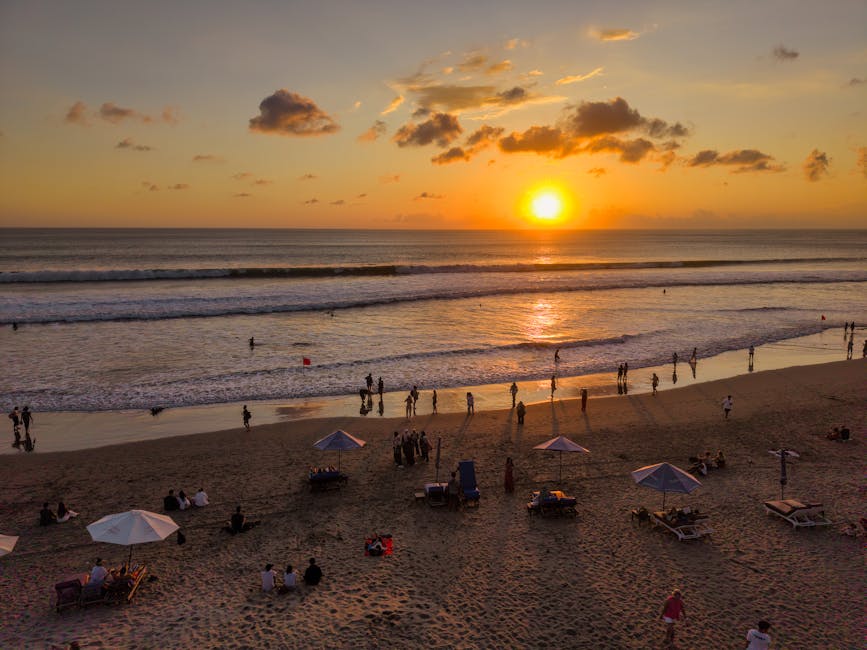
Why Bali Is a Top Destination for First-Time Travelers
Bali strikes a rare balance between accessibility and authenticity. English is widely spoken in tourist areas, accommodations range from budget hostels to luxury villas, and the island’s infrastructure supports independent exploration. Unlike more logistically challenging destinations, Bali offers a gentle introduction to Southeast Asian travel. Its compact size means you can experience diverse landscapes—from volcanic mountains to coral reefs—within short distances. Plus, the warm hospitality of the Balinese people creates a welcoming atmosphere that puts newcomers at ease.
When to Visit: Weather, Crowds, and Costs
Timing your trip correctly can significantly impact your experience. Bali has two main seasons: dry (April to October) and wet (November to March). The dry season, especially July and August, is peak tourist time—ideal weather but higher prices and larger crowds. Shoulder months like May, June, and September offer a sweet spot: fewer tourists, lower rates, and still reliable sunshine.
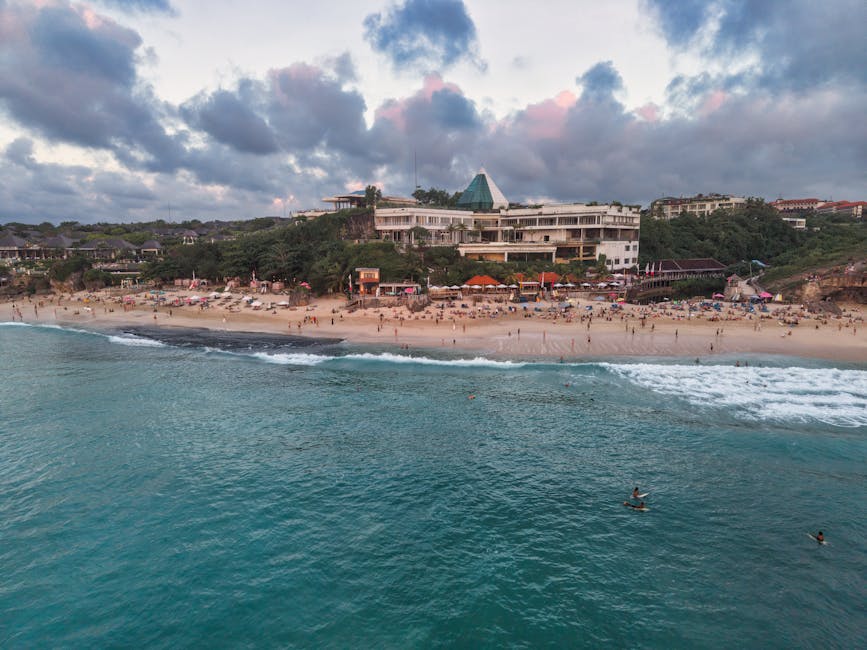
The wet season brings afternoon showers and humidity, but it’s also when you’ll find the best deals on flights and accommodations. Just be prepared for occasional downpours and possible flight delays. Avoid major Indonesian holidays like Nyepi (Day of Silence) or Galungan if you prefer a livelier atmosphere—Nyepi shuts down the entire island for 24 hours, including the airport.
Top Regions to Explore: Where to Stay and What to Do
Bali isn’t a one-size-fits-all destination. Different regions cater to different travel styles. Here’s a quick breakdown of the most popular areas:
Seminyak & Canggu: Beach Vibes and Café Culture
Perfect for travelers who want a mix of relaxation and social energy. Seminyak offers upscale dining, boutique shopping, and sunset beach clubs. Canggu, just north, is more laid-back with surf breaks, coworking spaces, and trendy vegan cafés. Both areas are walkable and well-connected by ride-hailing apps.
Ubud: Culture, Nature, and Wellness
The cultural heart of Bali, Ubud is surrounded by rice paddies, art galleries, and yoga studios. It’s ideal for those seeking a slower pace, spiritual experiences, or creative inspiration. Visit the Sacred Monkey Forest, take a traditional cooking class, or hike Mount Batur for sunrise. Note that Ubud is inland and can be cooler than the coast.
Uluwatu & Nusa Dua: Cliff Views and Luxury Resorts
Known for dramatic ocean cliffs, world-class surfing, and high-end resorts, Uluwatu is a favorite among couples and luxury seekers. Nusa Dua offers calm beaches and family-friendly resorts but feels more secluded. Both areas are best accessed by scooter or private driver due to limited public transport.
Lovina (North Bali): Quiet Beaches and Dolphin Watching
If you prefer tranquility over nightlife, Lovina’s black sand beaches and relaxed vibe are refreshing. Early morning dolphin tours are a highlight, and the area is a gateway to volcanic lakes and waterfalls like Gitgit.
Getting Around: Transportation Options Compared
Bali lacks a formal public transit system, so most travelers rely on private transport. Your best options depend on budget, comfort, and itinerary.
| Transport Method | Best For | Average Cost (IDR) | Pros & Cons |
|---|---|---|---|
| Scooter Rental | Independent exploration, short distances | 50,000–80,000/day | ✅ Flexible, cheap ❌ Requires license, risky in traffic |
| Private Driver | Full-day tours, group travel | 500,000–700,000/day | ✅ Stress-free, knowledgeable guides ❌ More expensive |
| Ride-Hailing Apps (Grab/Gojek) | Short trips, city travel | 15,000–50,000/trip | ✅ Affordable, cashless ❌ Limited in rural areas |
| Taxi (Blue Bird Group) | Airport transfers, safety-conscious travelers | Metred, ~10,000/km | ✅ Reliable, licensed ❌ Can be slow in traffic |
Always carry an international driving permit if renting a scooter. Traffic in Bali can be chaotic, especially in Kuta and Denpasar. Wear a helmet, avoid night riding, and never drink and drive.
Where to Stay: Accommodation Tips by Budget
Bali offers lodging for every price point. Book in advance during peak season to secure better rates and locations.
- Budget (Under $30/night): Hostels and guesthouses in Canggu or Ubud. Look for places with air conditioning, hot water, and good reviews on platforms like Booking.com or Hostelworld.
- Mid-Range ($30–$100/night): Boutique hotels and private villas with pools. Areas like Seminyak and Sanur offer great value with modern amenities.
- Luxury ($100+/night): Resort complexes in Uluwatu or Nusa Dua with spa services, beach access, and concierge support. Many include breakfast and airport transfers.
Always check cancellation policies and read recent guest reviews. Some “eco-lodges” may lack consistent electricity or Wi-Fi—important if you’re working remotely.
Must-Do Experiences for First-Timers
Don’t leave Bali without trying these iconic activities:
- Visit a Traditional Temple: Uluwatu Temple at sunset or Tanah Lot for ocean views. Dress modestly—sarongs and sashes are usually provided at entrances.
- Trek Through Rice Terraces: Tegallalang or Jatiluwih offer stunning landscapes and photo opportunities. Go early to avoid midday heat.
- Take a Cooking Class: Learn to make nasi goreng, satay, and lawar with local ingredients. Many classes include a market tour.
- Snorkel or Dive: Nusa Penida, Menjangan Island, and Amed offer clear waters and vibrant marine life. Choose operators with safety records and eco-friendly practices.
- Attend a Traditional Dance Performance: Kecak fire dance in Uluwatu or Legong in Ubud. Shows typically last 60–90 minutes and cost 100,000–200,000 IDR.
Cultural Etiquette and Respectful Travel
Bali is predominantly Hindu, and local customs differ significantly from Western norms. Respecting traditions enhances your experience and supports sustainable tourism.
- Dress Modestly at Temples: Cover shoulders and knees. Wear a sarong—most temples lend them for free or a small donation.
- Avoid Public Displays of Affection: Holding hands is fine, but kissing or hugging in public may offend locals.
- Don’t Touch Heads or Point Feet: The head is considered sacred; feet are the lowest part of the body. Never point your feet at people or religious objects.
- Participate in Canang Sari Offerings: These small baskets of flowers and incense appear daily on sidewalks and doorsteps. Step over them—don’t walk through.
- Learn a Few Indonesian Phrases: “Terima kasih” (thank you), “Selamat pagi” (good morning), and “Berapa harganya?” (how much?) go a long way.
Safety, Health, and Practical Tips
Bali is generally safe for tourists, but a few precautions can prevent common issues.
- Drink Bottled Water: Avoid tap water, even for brushing teeth. Most hotels provide filtered water dispensers.
- Use Sun Protection: The equatorial sun is intense. Wear SPF 50+, a hat, and UV-protective clothing, especially during water activities.
- Be Cautious with Street Food: Choose busy stalls with high turnover. Avoid raw vegetables and unpeeled fruits unless you’ve built up immunity.
- Secure Your Belongings: Petty theft occurs in crowded areas. Use hotel safes and keep bags zipped and close.
- Get Travel Insurance: Covers medical emergencies, trip cancellations, and scooter accidents. Ensure it includes adventure activities if you plan to surf or dive.
Budgeting for Your Bali Trip
Bali can be surprisingly affordable, but costs add up quickly with tours, dining out, and transportation. Here’s a realistic daily budget breakdown:
- Budget Traveler: $25–$40/day (hostel, local food, scooter rental, free activities)
- Mid-Range Traveler: $60–$120/day (private room, mix of restaurants, guided tours, occasional taxis)
- Luxury Traveler: $200+/day (resort stay, fine dining, private driver, spa treatments)
Always carry cash—many small vendors and warungs (local eateries) don’t accept cards. ATMs are widely available, but check for foreign transaction fees.
Final Tips for a Smooth First Trip to Bali
With the right preparation, your first visit to Bali can be stress-free and deeply rewarding. Start by choosing a base that matches your travel style, book key accommodations early, and download offline maps and translation apps. Pack light, bring reef-safe sunscreen, and stay flexible—Bali rewards those who embrace its rhythm.
Most importantly, approach the island with curiosity and respect. Whether you’re sipping coffee in a jungle café or watching a sunset over the Indian Ocean, Bali has a way of leaving a lasting impression.
FAQ
Do I need a visa to visit Bali?
Many nationalities (including U.S., UK, EU, Australian, and Canadian citizens) receive a 30-day visa-free entry upon arrival. Check Indonesia’s latest immigration rules before traveling, as policies can change.
Is it safe to drink the water in Bali?
No. Always drink bottled or filtered water. Avoid ice in drinks unless you’re confident it’s made from purified water—many hotels and reputable restaurants use safe ice.
Can I use my credit card everywhere in Bali?
Major hotels, restaurants, and shops in tourist areas accept cards, but cash is king for local markets, warungs, and transportation. Carry Indonesian rupiah for small purchases.