
Best Places to Visit in Thailand for Tourists This Year
Thailand remains one of the world’s most popular travel destinations, and for good reason. From vibrant cities and ancient temples to pristine beaches and lush jungles, the country offers a diverse range of experiences for every kind of traveler. Whether you’re planning your first trip or returning for another adventure, the best places to visit in Thailand for tourists this year blend cultural richness, natural beauty, and modern comfort. This guide highlights must-see destinations that deliver authentic experiences, practical travel tips, and up-to-date insights to help you plan a memorable journey.
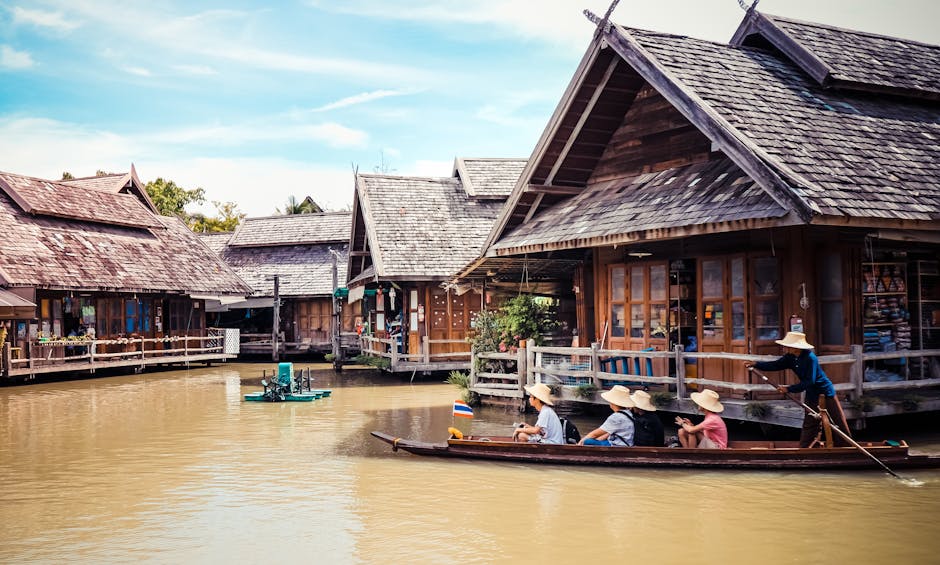
Bangkok: The Dynamic Capital
Bangkok is more than just a gateway—it’s a destination in itself. As Thailand’s bustling capital, it offers a mix of tradition and modernity that’s hard to match. Start your exploration at the Grand Palace and Wat Phra Kaew, home to the revered Emerald Buddha. The intricate architecture and gold-leaf details provide a glimpse into Thailand’s royal and religious heritage. Just a short walk away, Wat Pho houses the massive reclining Buddha and is a center for traditional Thai massage.
For a different pace, visit Chatuchak Weekend Market, one of the largest open-air markets in the world. With over 15,000 stalls, you can find everything from handmade crafts to street food and vintage clothing. Don’t miss the floating markets like Amphawa or Damnoen Saduak, where vendors sell fresh produce and snacks from wooden boats—a charming nod to Thailand’s river-based commerce.

Bangkok’s nightlife and dining scene is equally compelling. Rooftop bars such as Vertigo and Sky Bar offer panoramic city views, while street food stalls in areas like Yaowarat (Chinatown) serve up some of the best pad Thai, mango sticky rice, and tom yum goong you’ll ever taste. Just remember to stay hydrated and avoid tap water to prevent stomach issues.
Chiang Mai: Culture and Cool Mountain Air
Located in northern Thailand, Chiang Mai offers a slower, more reflective travel experience. Surrounded by mountains and dotted with over 300 temples, it’s a haven for culture seekers and nature lovers alike. Wat Phra That Doi Suthep, perched on a hill overlooking the city, is one of the most sacred sites in Thailand. The climb up 306 steps is rewarded with stunning views and a golden chedi that glimmers in the sunlight.
The Old City, encircled by a moat and remnants of ancient walls, is best explored on foot or by bicycle. Wander through narrow lanes lined with boutique shops, art galleries, and cafes. The Sunday Walking Street Market transforms Ratchadamnoen Road into a pedestrian zone filled with local artisans, food vendors, and live music.
For a deeper connection with local traditions, consider visiting an ethical elephant sanctuary. Unlike older tourist attractions that offered rides, modern sanctuaries like Elephant Nature Park focus on rescue, rehabilitation, and observation. These experiences allow you to learn about conservation while supporting responsible tourism.
Phuket: Thailand’s Premier Island Destination
Phuket is Thailand’s largest island and a top choice for beach lovers. Patong Beach is the most developed, known for its lively atmosphere, water sports, and nightlife along Bangla Road. For a quieter experience, head to Kata or Karon Beach, where soft sand and clear waters make for ideal swimming and sunbathing.
Beyond the beaches, Phuket offers cultural landmarks like the Big Buddha—a 45-meter-tall marble statue overlooking the island. The nearby Wat Chalong is one of the most important Buddhist temples in Phuket and features beautiful murals and architecture. Take time to explore Old Phuket Town, where Sino-Portuguese buildings house cafes, galleries, and souvenir shops.
Island hopping is a must. Take a boat tour to the Phi Phi Islands, famous for turquoise waters and dramatic limestone cliffs. Maya Bay, though currently under environmental restoration, remains a symbol of Thailand’s natural beauty. Always check local guidelines before visiting, as access may be restricted to protect marine ecosystems.
Krabi: Dramatic Landscapes and Hidden Coves
Krabi province, on the Andaman Coast, is known for its stunning karst formations, emerald waters, and laid-back vibe. Railay Beach, accessible only by boat, is a favorite among rock climbers and beachgoers. The towering cliffs provide both shade and climbing routes, while the beach offers calm waters for swimming.
Ao Nang serves as the main hub for travelers, with a range of accommodations, restaurants, and tour operators. From here, you can easily arrange day trips to nearby islands like Koh Poda, Chicken Island (Koh Kai), and the Hong Islands. These spots are perfect for snorkeling, kayaking, and spotting marine life.
For a unique experience, visit the Emerald Pool (Sa Morakot) and Hot Springs in the jungle. The natural mineral pools are surrounded by lush vegetation and offer a refreshing break from the heat. Be mindful of slippery rocks and follow posted safety signs.
Pai: A Bohemian Escape in the Mountains
Tucked away in the mountains of Mae Hong Son Province, Pai is a small town with a big personality. Known for its relaxed atmosphere, hot springs, and waterfalls, it’s a favorite among backpackers and digital nomads. The scenic drive from Chiang Mai—over 700 curves—is an adventure in itself, so consider taking a shared van if you’re prone to motion sickness.
Pai Canyon offers short hiking trails with panoramic views of the valley. The Pai River is ideal for tubing or simply wading in the cool water. Don’t miss the White Buddha (Wat Phra That Mae Yen), a striking white statue visible from much of the town.
The night market in Pai is smaller than Chiang Mai’s but equally charming, with local handicrafts, organic food, and live acoustic music. It’s a great place to meet fellow travelers and enjoy a quiet evening under the stars.
Koh Samui: Luxury and Serenity Combined
Koh Samui, in the Gulf of Thailand, offers a balance of luxury resorts and natural beauty. Chaweng Beach is the most developed, with high-end hotels, shopping centers, and a vibrant nightlife scene. For a more tranquil stay, Lamai Beach provides a quieter alternative with plenty of dining and spa options.
The island is home to several cultural sites, including the Big Buddha Temple (Wat Phra Yai), a 12-meter-tall golden statue that’s become an iconic landmark. The nearby Fisherman’s Village in Bophut blends traditional charm with modern amenities, featuring boutique shops, beachfront restaurants, and a weekly walking street market.
Day trips to nearby islands like Koh Tao and Koh Phangan are popular. Koh Tao is renowned for diving and snorkeling, while Koh Phangan is famous for its full moon parties—though quieter beaches like Thong Nai Pan offer a peaceful retreat.
Ayutthaya: A Glimpse into Thailand’s Past
Ayutthaya, a UNESCO World Heritage Site, was once the capital of the Kingdom of Siam. Today, its ruins—temples with crumbling spires and Buddha heads entwined in tree roots—offer a hauntingly beautiful look into the past. The best way to explore is by bicycle or tuk-tuk, visiting sites like Wat Mahathat, Wat Phra Si Sanphet, and Wat Chaiwatthanaram.
The historical park is especially atmospheric at sunset, when the golden light enhances the ancient structures. Consider taking a boat tour along the Chao Phraya River to see the ruins from a different perspective. Ayutthaya is just a 1.5-hour train ride from Bangkok, making it an ideal day trip.
Practical Tips for Traveling in Thailand
To make the most of your trip, keep these tips in mind:
- Best time to visit: November to February offers cooler, dry weather—ideal for sightseeing and beach trips.
- Transportation: Domestic flights are affordable and connect major cities. Trains and buses are budget-friendly but can be slow. Use ride-hailing apps like Grab in cities.
- Currency: The Thai baht (THB) is the local currency. Credit cards are accepted in cities, but carry cash for markets and rural areas.
- Etiquette: Dress modestly when visiting temples—cover shoulders and knees. Remove shoes before entering homes and sacred spaces.
- Safety: Thailand is generally safe, but be cautious with valuables in crowded areas and avoid unlicensed tour operators.
Top 5 Destinations Compared
| Destination | Best For | Ideal Visit Duration | Travel Tip |
|---|---|---|---|
| Bangkok | Culture, food, nightlife | 3–4 days | Use the BTS Skytrain to avoid traffic |
| Chiang Mai | Temples, nature, slow travel | 4–5 days | Visit in November for Yi Peng Lantern Festival |
| Phuket | Beaches, island hopping, resorts | 5–7 days | Book boat tours in advance during peak season |
| Krabi | Climbing, snorkeling, scenery | 4–6 days | Pack water shoes for rocky beaches |
| Koh Samui | Luxury, relaxation, diving | 5–7 days | Stay in Bophut for a mix of charm and convenience |
Conclusion
Thailand’s diversity ensures that every traveler finds something to love. Whether you’re drawn to the energy of Bangkok, the tranquility of Chiang Mai, or the beaches of Phuket and Krabi, the best places to visit in Thailand for tourists this year offer unforgettable experiences. With thoughtful planning and a respect for local customs, your trip can be both enjoyable and meaningful. Start with one or two regions to avoid burnout, and leave room for spontaneous discoveries—because sometimes the best moments happen off the itinerary.
FAQ
What is the best time of year to visit Thailand?
The best time to visit Thailand is from November to February, when the weather is cool and dry. This period is ideal for sightseeing, beach trips, and outdoor activities.
Do I need a visa to visit Thailand?
Citizens of many countries, including the US, UK, Canada, and Australia, can enter Thailand without a visa for stays up to 30 days. Check the latest entry requirements based on your nationality before traveling.
Is Thailand safe for solo travelers?
Yes, Thailand is generally safe for solo travelers. Exercise common sense—avoid unlicensed taxis, keep copies of important documents, and stay aware of your surroundings, especially at night.