
Rome Travel Guide with Food, Culture and Top Attractions
Rome, Italy’s timeless capital, blends ancient history, world-class cuisine, and vibrant culture into one unforgettable destination. This Rome travel guide with food, culture and top attractions helps you navigate the city’s must-see sights, authentic eateries, and cultural highlights—whether you’re visiting for a weekend or a week. From the Colosseum to carbonara, discover how to experience Rome like a savvy traveler, not a tourist.
Why Visit Rome? The Perfect Blend of Past and Present
Rome offers something rare: a city where ancient ruins stand steps away from modern trattorias, and where centuries-old traditions shape daily life. You can walk through a 2,000-year-old amphitheater in the morning and savor handmade pasta in a neighborhood osteria by evening. The city’s compact center makes it easy to explore on foot, and its layered history—from imperial Rome to the Renaissance and beyond—means every corner tells a story.
Top Attractions You Can’t Miss
While Rome has countless sights, these are the essential stops for first-time visitors:
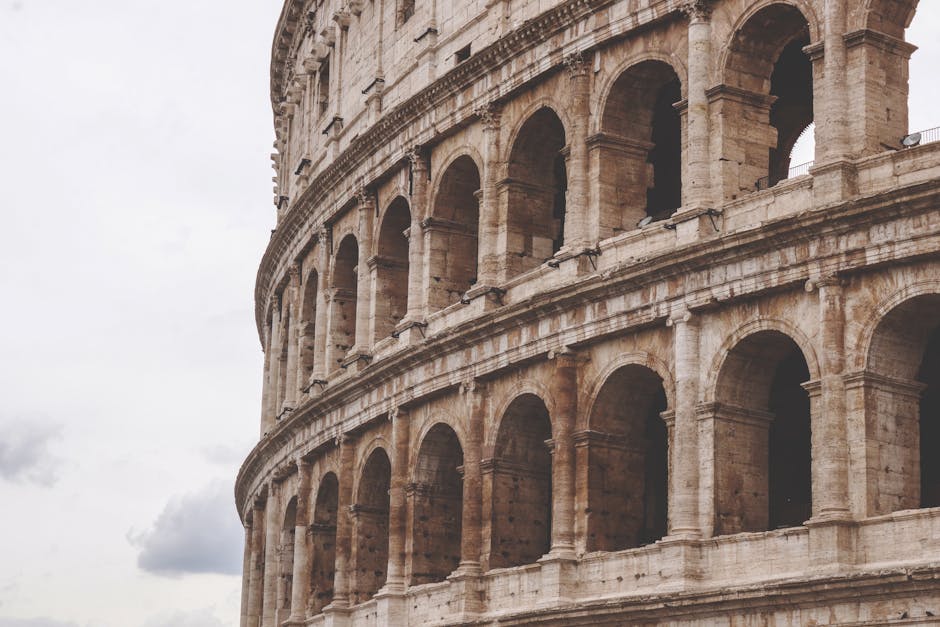
- The Colosseum and Roman Forum: Book a timed-entry ticket in advance to avoid lines. A guided tour adds context to the ruins and helps you understand the scale of ancient Rome.
- Vatican City: Visit St. Peter’s Basilica and the Vatican Museums, including the Sistine Chapel. Arrive early or book a skip-the-line tour to beat the crowds.
- Pantheon: One of the best-preserved ancient buildings in the world, with a massive dome and oculus. Free to enter, but lines form quickly around midday.
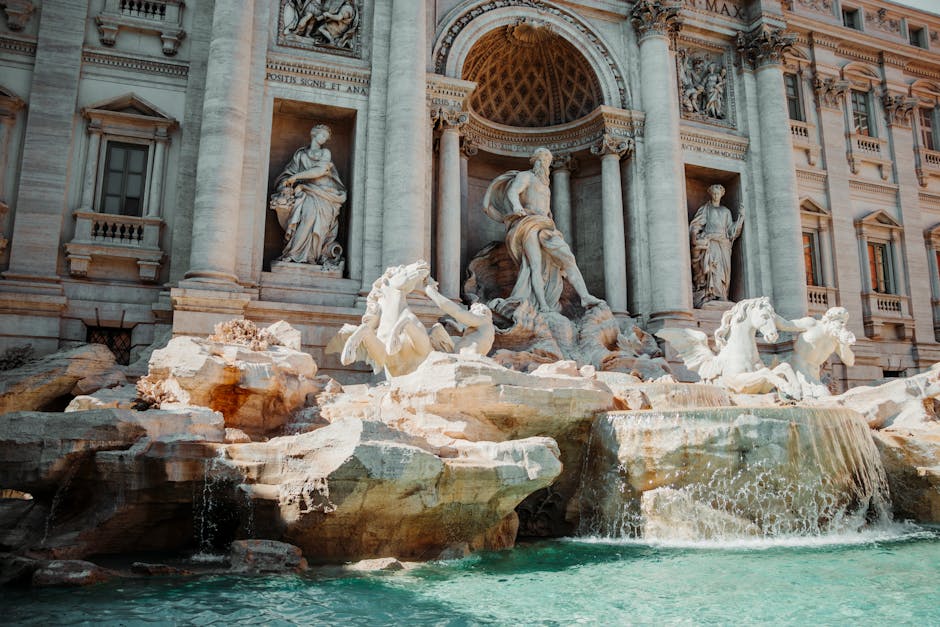
- Trevi Fountain: Toss a coin to ensure your return to Rome. Visit early morning or late evening for fewer people and better photos.
- Piazza Navona and Campo de’ Fiori: Lively squares perfect for people-watching, street performers, and grabbing a coffee or gelato.
Navigating Rome: Tips for Getting Around
Rome’s historic center is best explored on foot. Public transit—buses, trams, and the metro—covers longer distances, but service can be inconsistent. The metro has three lines (A, B, C), with Line A connecting key stops like Termini Station, the Vatican, and the Spanish Steps. Avoid driving in the city center; traffic is heavy, parking is limited, and ZTL (Limited Traffic Zones) carry steep fines for unauthorized vehicles.
Experiencing Rome’s Culture Beyond the Landmarks
True Roman culture lives in its neighborhoods, traditions, and daily rhythms. To go beyond the postcard sights, immerse yourself in local life.
Neighborhoods to Explore
- Trastevere: Cobblestone streets, ivy-covered buildings, and a bohemian vibe. Ideal for evening strolls and dinner at family-run trattorias.
- Monti: Trendy yet authentic, with vintage shops, artisan boutiques, and quiet piazzas. Close to the Colosseum but less crowded.
- Testaccio: A local favorite for food lovers. Home to the historic Mercato di Testaccio and authentic Roman cuisine.
- Prati: Near the Vatican, this orderly district offers upscale shopping and quieter streets.
Local Customs and Etiquette
Romans appreciate politeness and respect for tradition. Greet shopkeepers with “Buongiorno” (good morning) or “Buonasera” (good evening). Dress modestly when visiting churches—cover shoulders and knees. Tipping is not mandatory; rounding up the bill or leaving €1–2 is sufficient. Avoid eating pizza with fork and knife in casual settings—locals often eat it folded by hand.
Roman Food: A Culinary Journey Through the City
Roman cuisine is simple, seasonal, and deeply rooted in tradition. Forget heavy sauces and elaborate presentations—here, quality ingredients shine.
Must-Try Dishes
- Pasta alla Carbonara: Made with eggs, Pecorino Romano, guanciale (cured pork cheek), and black pepper. Avoid versions with cream—they’re not authentic.
- Cacio e Pepe: A minimalist masterpiece of Pecorino cheese and black pepper, tossed with tonnarelli or spaghetti.
- Supplì: Fried rice balls stuffed with mozzarella, similar to arancini but distinctly Roman.
- Artichokes (Carciofi alla Romana or alla Giudia): Tender braised or crispy fried, especially in spring.
- Trippa alla Romana: Tripe braised with tomatoes and mint—a traditional dish best tried at a trusted trattoria.
Where to Eat: From Markets to Trattorias
Avoid restaurants near major tourist sites—they often serve overpriced, low-quality meals. Instead, seek out local favorites:
- Mercato di Testaccio: A working-class market with food stalls offering fresh pasta, supplì, and porchetta sandwiches.
- Armando al Pantheon: A classic Roman trattoria near the Pantheon, serving traditional dishes in a no-frills setting. Reservations essential.
- Roscioli: A hybrid deli, restaurant, and wine bar known for its cured meats, cheeses, and exceptional carbonara.
- Supplizio: Specializes in supplì and other Roman street food, with a focus on quality and authenticity.
For gelato, look for natural colors and seasonal flavors. Avoid places with towering, brightly colored mounds—these often use artificial ingredients. Trust gelaterias with fewer, more natural-looking options.
Planning Your Rome Itinerary: A Practical Comparison
Choosing how to spend your time in Rome depends on your interests and trip length. Below is a quick comparison of three common itinerary types:
| Itinerary Type | Best For | Top Activities | Time Needed |
|---|---|---|---|
| Cultural & Historical | History lovers, first-time visitors | Colosseum, Vatican Museums, Roman Forum, Pantheon | 3–4 days |
| Food & Neighborhoods | Foodies, slow travelers | Testaccio market, Trastevere dinners, cooking class, wine bar hopping | 4–5 days |
| Art & Architecture | Art enthusiasts, photographers | Galleria Borghese, Capitoline Museums, churches with frescoes, hidden courtyards | 3–5 days |
Essential Tips for a Smooth Trip
- Book tickets in advance: The Colosseum, Vatican Museums, and Galleria Borghese require reservations. Same-day entry is often impossible.
- Wear comfortable shoes: Rome’s cobblestones and hills demand sturdy, broken-in footwear.
- Stay hydrated: Public water fountains (nasoni) are safe to drink from—refill your bottle throughout the day.
- Be aware of pickpockets: Crowded areas like the metro, tourist sites, and busy piazzas are hotspots. Use a crossbody bag and keep valuables secure.
- Learn basic Italian phrases: Even simple greetings go a long way in showing respect and improving interactions.
When to Visit Rome
The best times to visit are spring (April to June) and fall (September to October), when weather is mild and crowds are manageable. Summer (July–August) is hot and busy, with temperatures often exceeding 30°C (86°F). Winter is quieter and cooler, with fewer tourists and lower prices, though some attractions may have reduced hours.
Final Thoughts: Making the Most of Your Rome Trip
A well-planned Rome travel guide with food, culture and top attractions ensures you experience the city’s depth—not just its highlights. Prioritize authenticity over convenience: eat where locals eat, wander beyond the main squares, and take time to absorb the atmosphere. Rome rewards curiosity and patience. Whether you’re sipping espresso at a corner bar or standing in the shadow of the Colosseum, the city leaves a lasting impression.
FAQ
How many days do I need to see Rome?
Three to four days allow you to cover major attractions, but five or more days let you explore neighborhoods, enjoy meals at a relaxed pace, and discover hidden gems.
Is Rome safe for tourists?
Yes, Rome is generally safe. Petty crime like pickpocketing occurs in crowded areas, but violent crime is rare. Stay alert in tourist hotspots and use common sense.
Do I need to speak Italian to get by?
Not necessarily—many Romans speak basic English, especially in hospitality. However, learning a few Italian phrases improves your experience and shows respect for local culture.