
Exploring Qatar Travel Guide with Best Places to Visit
Qatar is a compact yet captivating destination that blends futuristic cityscapes with deep-rooted traditions. In this Qatar travel guide, you’ll discover the best places to visit—from the gleaming skyline of Doha to the quiet dunes of the inland sea. Whether you’re drawn to modern museums, bustling souqs, or desert adventures, Qatar offers a surprisingly diverse experience for travelers seeking culture, comfort, and convenience in the Gulf.

Why Visit Qatar? A Quick Overview
Qatar punches above its size when it comes to travel experiences. Despite being one of the smallest countries in the Middle East, it’s home to world-class infrastructure, luxury accommodations, and UNESCO-recognized cultural sites. The country is safe, English-speaking, and easy to navigate, making it ideal for first-time visitors to the region. With year-round sunshine and major international events like the FIFA World Cup 2022, Qatar has firmly established itself as a must-visit destination in the Gulf.
Top Destinations in Your Qatar Travel Guide
1. Doha: The Cultural and Urban Heart
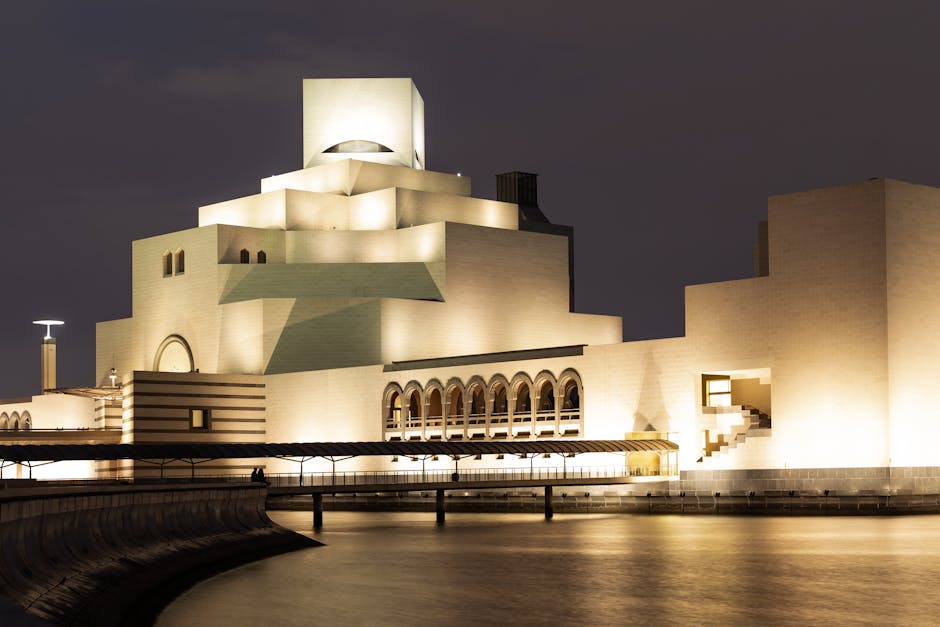
Doha is the capital and the main gateway for most travelers. Start your journey at the Museum of Islamic Art, a architectural masterpiece housing one of the world’s most comprehensive collections of Islamic artifacts. Just across the water, the National Museum of Qatar offers an immersive look into the country’s heritage through innovative design and storytelling.
For a taste of local life, wander through Souq Waqif, a restored marketplace where you can shop for spices, perfumes, and handicrafts. Don’t miss the falcon souq upstairs—a unique glimpse into a national passion. In the evening, stroll along the Corniche, a 7-kilometer waterfront promenade with views of the Doha skyline and the Persian Gulf.
2. The Pearl-Qatar: Luxury Living and Dining
An artificial island off the coast of West Bay, The Pearl-Qatar is a master-planned community with Mediterranean-style villas, upscale boutiques, and waterfront dining. It’s a great spot for a relaxed afternoon, whether you’re sipping Arabic coffee at a seaside café or browsing designer stores. While it’s primarily residential, the public areas are welcoming to visitors and offer a different pace from the city center.
3. Katara Cultural Village: Arts and Entertainment
Katara is Qatar’s cultural hub, hosting art exhibitions, theater performances, and international festivals throughout the year. The village’s amphitheater has welcomed global artists, and its galleries showcase both local and regional talent. Even if no event is scheduled, the architecture—inspired by traditional Qatari design—and the seaside location make it worth a visit.
4. Al Zubarah Fort: A Glimpse into History
Located about 100 kilometers north of Doha, Al Zubarah Fort is a UNESCO World Heritage Site and one of the best-preserved examples of an 18th-century Gulf fort. Once a thriving pearling and trading center, the site offers insight into Qatar’s pre-oil economy. The on-site museum provides context, and the surrounding archaeological area reveals the layout of the original walled town.
5. Inland Sea (Khor Al Adaid): Desert Meets Sea
This unique natural reserve, also a UNESCO site, is where towering sand dunes meet the calm waters of the Gulf. Accessible only by 4×4, the Inland Sea offers an unforgettable desert experience. Many tour operators offer dune bashing, camel rides, and overnight camping under the stars. It’s a dramatic contrast to the urban environment of Doha and a highlight for nature and adventure lovers.
6. Al Thakira Mangroves: Nature and Kayaking
Just north of Doha, the Al Thakira Mangroves provide a peaceful escape into Qatar’s natural ecosystem. Visitors can kayak through the narrow channels, observe local birdlife, and learn about mangrove conservation. Guided tours are available, and the area is especially beautiful at sunrise or sunset.
How to Get Around Qatar
Qatar is compact and well-connected. The capital, Doha, has an efficient metro system that links major attractions, hotels, and the airport. Taxis and ride-hailing apps like Uber and Careem are widely available and reasonably priced. For exploring beyond the city—such as Al Zubarah or the Inland Sea—renting a car or joining a guided tour is recommended. Public buses exist but are less convenient for tourists.
Best Time to Visit Qatar
The ideal time to explore Qatar is between November and March, when temperatures are mild and pleasant, ranging from 20°C to 30°C (68°F to 86°F). Summers can be extremely hot, with temperatures exceeding 45°C (113°F), making outdoor activities uncomfortable. Winter also coincides with cultural festivals and outdoor events, offering more to see and do.
Travel Tips for a Smooth Experience
- Dress modestly in public areas, especially outside Doha. Shoulders and knees should be covered when visiting religious or traditional sites.
- Friday is the holy day; many businesses and attractions may have reduced hours or be closed.
- Alcohol is restricted and only available in licensed hotel bars and restaurants. Public intoxication is not tolerated.
- Tap water is safe to drink, but many locals and visitors prefer bottled water.
- Download the Karwa Smartcard app for seamless metro and bus travel in Doha.
Where to Stay: Areas and Options
Accommodation in Qatar ranges from luxury resorts to budget-friendly hotels. In Doha, West Bay is ideal for business travelers and those wanting proximity to high-end dining and shopping. The Pearl offers a more residential, scenic stay, while Old Doha near Souq Waqif provides a traditional atmosphere. For a unique experience, consider a desert camp near the Inland Sea, where you can sleep under the stars in comfort.
Must-Try Food and Drink
Qatari cuisine reflects its Bedouin roots and trade history. Try machboos, a spiced rice dish with meat or fish, or harees
Comparing Key Attractions in Qatar
| Attraction | Best For | Time Needed | Entry Fee |
|---|---|---|---|
| Museum of Islamic Art | Art & History | 2–3 hours | Free (ID required) |
| Souq Waqif | Shopping & Culture | 1–2 hours | Free |
| Katara Cultural Village | Entertainment & Dining | 2–3 hours | Free |
| Al Zubarah Fort | History & Photography | 2 hours | QR 50 (~USD 14) |
| Inland Sea (Khor Al Adaid) | Adventure & Nature | Half-day | Via tour only |
Final Thoughts: Is Qatar Worth Visiting?
Absolutely. While Qatar may not have the ancient ruins of Egypt or the mountain landscapes of Oman, it offers a unique blend of modernity and tradition in a safe, accessible setting. Whether you’re spending a weekend in Doha or a week exploring the desert and coast, this Qatar travel guide highlights experiences that are both enriching and enjoyable. With world-class museums, authentic markets, and natural wonders, Qatar is more than a layover—it’s a destination in its own right.
FAQ
Do I need a visa to visit Qatar?
Citizens of over 80 countries can enter Qatar visa-free for up to 30 or 90 days, depending on nationality. Others can apply for an e-visa online. Check the official Qatar Visa Portal before travel.
Is Qatar safe for tourists?
Yes, Qatar is considered one of the safest countries in the Middle East. Crime rates are low, and the government prioritizes tourist safety. Standard travel precautions still apply.
Can I visit Qatar on a budget?
While Qatar is not a budget destination, affordable options exist. Public transport is cheap, many museums are free, and local eateries offer inexpensive meals. Avoid peak season and luxury hotels to keep costs down.