Vietnam Travel Guide with Best Places and Travel Tips
Vietnam is a captivating Southeast Asian destination that blends ancient traditions with vibrant modern energy. From the bustling streets of Hanoi to the serene waters of Ha Long Bay, this Vietnam travel guide covers the best places to visit and essential travel tips to help you plan a smooth, rewarding trip. Whether you’re drawn to historic temples, street food, or scenic landscapes, Vietnam delivers an unforgettable experience.
Top Destinations in Vietnam
Vietnam offers a diverse range of destinations, each with its own unique charm. Here are the must-visit spots that should anchor any itinerary:
1. Hanoi – The Cultural Heart
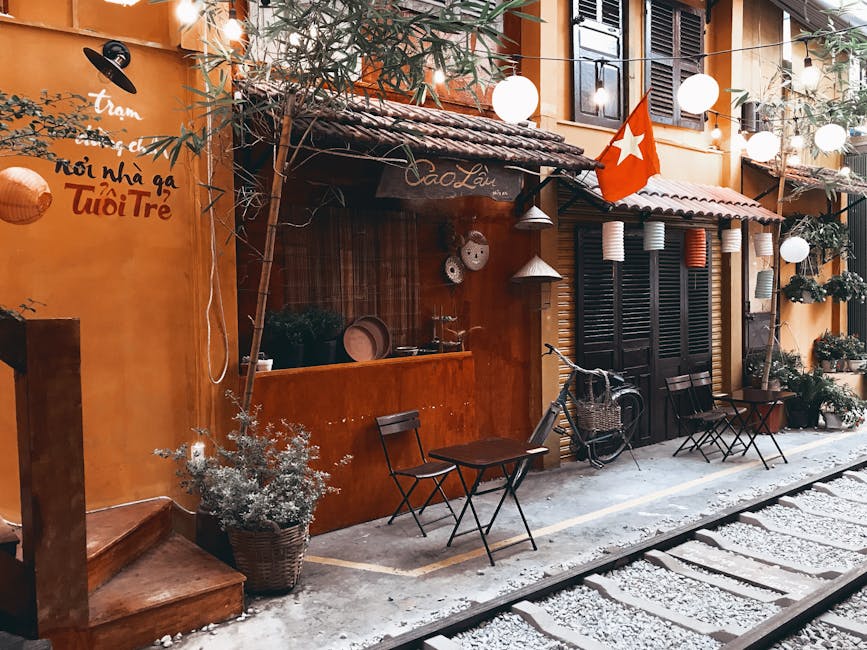
Hanoi, the capital city, is a fascinating mix of colonial architecture, ancient pagodas, and lively street markets. Start your journey at the Old Quarter, where narrow streets buzz with motorbikes and vendors selling pho and banh mi. Don’t miss the Temple of Literature, Vietnam’s first university, and Hoan Kiem Lake at sunrise. The city’s pace is slower than Ho Chi Minh City, making it ideal for first-time visitors.
2. Ha Long Bay – Natural Wonder
Famous for its emerald waters and thousands of limestone karsts, Ha Long Bay is a UNESCO World Heritage Site and one of Vietnam’s most iconic destinations. A one- or two-night cruise allows you to kayak through hidden lagoons, explore caves like Sung Sot (Surprise Cave), and watch the sunset over the bay. Opt for a smaller wooden junk boat for a more authentic experience.
3. Hoi An – Ancient Town Charm
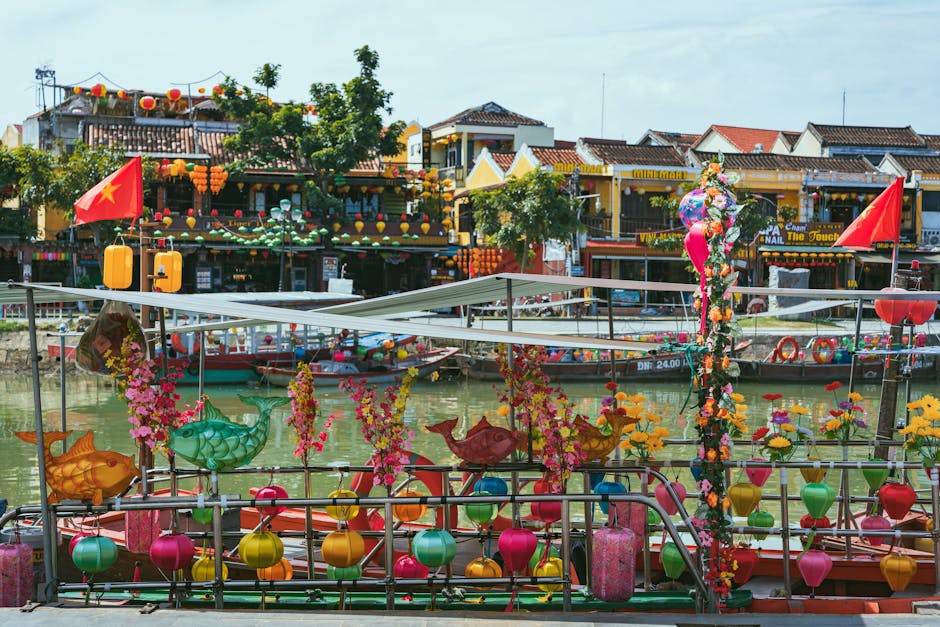
Hoi An’s lantern-lit streets, tailor shops, and riverside cafes make it a favorite among travelers. This well-preserved trading port dates back to the 15th century and is best explored on foot. Visit the Japanese Covered Bridge, take a cooking class, or have custom clothing made in a single afternoon. The nearby An Bang Beach offers a quiet escape from the historic center.
4. Hue – Imperial Heritage
Once the imperial capital, Hue is home to the Citadel, a sprawling complex of palaces, temples, and gardens modeled after Beijing’s Forbidden City. The Perfume River flows through the city, and a dragon boat ride at dusk offers views of the Thien Mu Pagoda. Hue is also known for its royal cuisine, which is more elaborate and refined than street food elsewhere.
5. Ho Chi Minh City – Urban Energy
Formerly Saigon, this southern metropolis is Vietnam’s largest city and a hub of commerce, nightlife, and history. Visit the War Remnants Museum for a sobering look at the Vietnam War, then explore the French colonial architecture around Notre-Dame Cathedral. The Ben Thanh Market is great for souvenirs, but be prepared to haggle.
6. Mekong Delta – River Life
The Mekong Delta, known as the “Rice Bowl” of Vietnam, is a network of rivers, swamps, and islands where life moves at a relaxed pace. Take a boat tour to floating markets like Cai Rang, sample tropical fruits, and visit family-run workshops making coconut candy and rice paper. Staying overnight in a homestay gives a deeper insight into local life.
Essential Vietnam Travel Tips
To make the most of your trip, keep these practical tips in mind:
- Best Time to Visit: Vietnam’s climate varies by region. The north (Hanoi, Ha Long) is best from October to April; the central region (Hoi An, Hue) from February to May; and the south (Ho Chi Minh City, Mekong Delta) from December to April. Avoid the rainy season (May–October in the north and south, September–January in central Vietnam).
- Visa Requirements: Most travelers need a visa. Check if you qualify for Vietnam’s e-visa program, which allows stays up to 45 days and is valid for entry through 38 designated ports. Apply online at least 3 days before arrival.
- Currency and Payments: The local currency is the Vietnamese đồng (VND). While larger hotels and restaurants accept credit cards, cash is essential for markets, street food, and rural areas. ATMs are widely available in cities.
- Transportation: Domestic flights (Vietnam Airlines, VietJet) are fast and affordable for long distances. Overnight sleeper buses are common but can be uncomfortable. For short trips, use Grab (ride-hailing app) or rent a motorbike—only if you’re experienced and have proper insurance.
- Food Safety: Vietnamese street food is delicious and generally safe. Choose stalls with high turnover, eat food served hot, and drink bottled or filtered water. Avoid raw vegetables and unpeeled fruits if you have a sensitive stomach.
- Dress Code: Dress modestly when visiting temples and pagodas. Shoulders and knees should be covered. Remove shoes before entering religious sites and homes.
Regional Comparison: North vs. South Vietnam
Vietnam’s geography creates distinct regional experiences. Use this quick comparison to help plan your route:
| Feature | North Vietnam | South Vietnam |
|---|---|---|
| Climate | Four distinct seasons; cooler winters | Tropical; hot and humid year-round |
| Culture | Influenced by China; more formal | Influenced by Cambodia and France; relaxed |
| Food | Pho, bun cha, egg coffee | Bánh mì, cà phê sữa đá, hu tieu |
| Pace | Slower, more traditional | Fast-paced, modern |
Safety and Health Considerations
Vietnam is generally safe for travelers, but it’s wise to take precautions:
- Traffic: Motorcycles dominate the roads, and traffic rules are loosely followed. Cross streets slowly and confidently—drivers will anticipate your path. Helmets are mandatory for motorbike riders.
- Scams: Be cautious of overly friendly strangers offering unsolicited tours or “closed” attractions. Stick to reputable tour operators and confirm prices in advance.
- Health: Drink bottled water and consider travel insurance that covers medical evacuation. Vaccinations for hepatitis A and typhoid are recommended. Mosquito-borne diseases like dengue occur, so use repellent, especially in rural areas.
Packing Essentials for Vietnam
Pack light but smart. Essentials include:
- Lightweight, breathable clothing (long sleeves for sun and temple visits)
- Comfortable walking shoes and sandals
- Rain jacket or compact umbrella (especially May–October)
- Sunscreen, sunglasses, and a wide-brimmed hat
- Reusable water bottle with filter
- Power adapter (Vietnam uses Type A, C, and D plugs, 220V)
- Basic first-aid kit and any prescription medications
Final Thoughts on Your Vietnam Travel Guide
This Vietnam travel guide highlights the country’s top destinations and practical advice to ensure a smooth journey. From the misty mountains of Sapa to the floating markets of the Mekong, Vietnam rewards curious travelers with rich culture, stunning scenery, and warm hospitality. Plan your trip around the seasons, respect local customs, and embrace the unexpected—Vietnam often surprises in the best ways.
FAQ
Do I need a visa to visit Vietnam?
Most travelers require a visa. Citizens of certain countries (e.g., ASEAN members) can enter visa-free for short stays. Others should apply for an e-visa online, which is valid for up to 45 days and processed within 3 business days.
Is it safe to drink tap water in Vietnam?
No. Tap water is not safe to drink. Always use bottled or filtered water, even for brushing your teeth. Many hotels provide free filtered water dispensers.
How many days do I need for a trip to Vietnam?
A 10- to 14-day trip allows you to explore 3–4 key regions. For example: Hanoi (2 days), Ha Long Bay (2 days), Hoi An (3 days), and Ho Chi Minh City (3 days), with travel days in between.