
Best Places to Visit in Hungary for Tourists in 2026
Hungary offers a compelling mix of historic grandeur, natural beauty, and cultural depth that makes it one of Europe’s most rewarding destinations. Whether you’re drawn to thermal baths, medieval towns, or vibrant city life, the best places to visit in Hungary for tourists in 2026 deliver unforgettable experiences. From Budapest’s architectural marvels to hidden gems in the countryside, this guide highlights top destinations with practical insights to help you plan a well-rounded trip. Expect detailed recommendations, seasonal tips, and essential travel considerations tailored for 2026 visitors.
Why Hungary Is a Top Destination in 2026
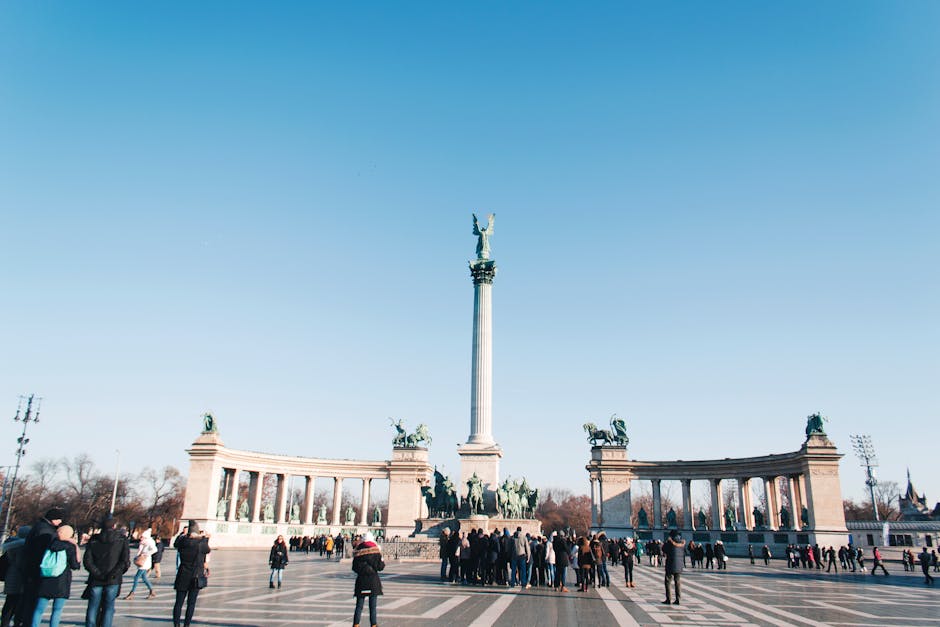
Hungary continues to grow in popularity thanks to its affordability, rich heritage, and improving tourism infrastructure. With new flight routes, upgraded rail connections, and expanded cultural programming, 2026 is shaping up to be an ideal year to explore the country. The government has invested in sustainable tourism initiatives, especially around Lake Balaton and the Danube Bend, ensuring that popular sites remain accessible without sacrificing authenticity. Additionally, Hungary’s central location in Central Europe makes it a convenient base for exploring neighboring countries like Austria, Slovakia, and Croatia.
Budapest: The Crown Jewel of Hungary
No list of the best places to visit in Hungary for tourists in 2026 would be complete without Budapest. The capital city seamlessly blends history, relaxation, and modern energy. Split by the Danube River into Buda and Pest, the city offers distinct experiences on each side.
Must-See Attractions in Budapest
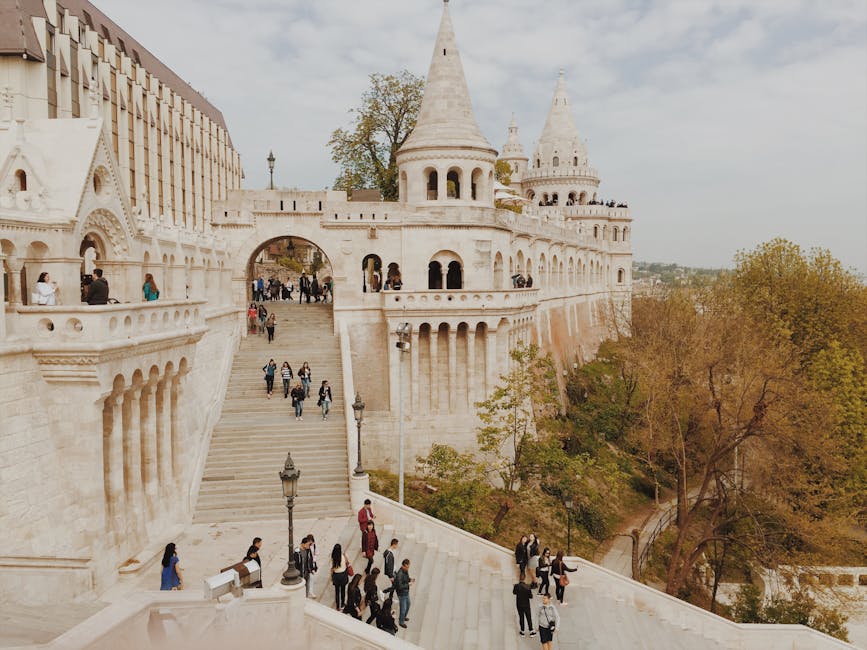
- Buda Castle and Castle Hill: A UNESCO World Heritage Site offering panoramic views, historic museums, and the iconic Matthias Church.
- Thermal Baths: Széchenyi and Gellért Baths remain top choices for soaking in naturally heated mineral waters. Széchenyi, located in City Park, is especially popular for its outdoor pools and social atmosphere.
- Parliament Building: One of Europe’s most photographed government buildings. Book a guided tour in advance to access the interior, including the Holy Crown of Hungary.
- ruin Bars: Unique to Budapest, these bars are set in abandoned buildings and courtyards, offering eclectic decor and a lively nightlife scene. Szimpla Kert is the most famous.
For a quieter experience, visit Margaret Island, a green oasis in the middle of the Danube with walking paths, a musical fountain, and a medieval ruin. Evening river cruises provide a magical perspective of the city’s illuminated landmarks.
Lake Balaton: Hungary’s Summer Playground
Often called the “Hungarian Sea,” Lake Balaton is the largest lake in Central Europe and a major draw during the warmer months. While it’s a favorite among locals, international tourists are increasingly discovering its charm. The lake stretches 77 kilometers and offers a variety of activities depending on which shore you visit.
Top Towns Around Lake Balaton
- Siófok: The most developed resort town, ideal for families and nightlife. It has sandy beaches, water sports rentals, and a vibrant promenade.
- Keszthely: A more refined option with baroque architecture, the Festetics Palace, and a quieter lakeside atmosphere. It’s also home to one of Hungary’s oldest universities.
- Tihany: Perched on a hill overlooking the lake, this village is known for its 11th-century abbey, lavender fields, and artisan shops. The views from the peninsula are unmatched.
Visit in late spring or early autumn to avoid peak crowds and enjoy pleasant weather. Swimming is safe in designated areas, but water quality can vary—check local updates before entering.
The Danube Bend: Scenic Beauty and History
The Danube Bend is a picturesque curve in the Danube River about 30 kilometers north of Budapest. This region combines natural beauty with historical significance, making it a perfect day trip or overnight destination.
Key Stops Along the Danube Bend
- Szentendre: A charming artist colony with cobblestone streets, museums, and riverside cafes. The Skanzen Open-Air Ethnographic Museum showcases traditional Hungarian village life.
- Visegrád: Home to a dramatic hilltop castle that once served as a royal residence. The medieval fortress offers sweeping views and hosts historical reenactments in summer.
- Esztergom: The former capital of Hungary and seat of the Catholic Church in the country. The Basilica of Esztergom is one of the largest churches in Europe.
Travel between towns by train or boat for a scenic journey. The HÉV suburban rail line connects Budapest to Szentendre, while river cruises operate seasonally from Budapest to Visegrád and Esztergom.
Eger: Wine, History, and Baroque Charm
Nestled in northern Hungary, Eger is a compact city known for its baroque architecture, thermal baths, and robust red wine. It’s less crowded than Budapest but equally rich in culture and atmosphere.
Highlights of Eger
- Eger Castle: Famous for its defense against the Ottoman Empire in 1552. The castle museum details the siege and offers views over the city.
- Valley of the Beautiful Women: A historic wine cellars district where visitors can sample local varietals like Egri Bikavér (Bull’s Blood) in a rustic, candlelit setting.
- Minaret: One of the few remaining Ottoman-era minarets in Hungary, offering a unique climb and city views.
Eger is accessible by train from Budapest in about two hours. Visit during the summer wine festivals or in autumn when the hills turn golden and grape harvests begin.
Pécs: A Cultural Crossroads in Southern Hungary
Pécs stands out for its multicultural heritage, Roman ruins, and vibrant arts scene. As a European Capital of Culture in 2010, it has maintained strong cultural programming and architectural preservation.
What to See in Pécs
- Early Christian Necropolis: A UNESCO site with underground tombs and mosaics dating back to the 4th century.
- Pécs Cathedral: A blend of Romanesque, Gothic, and Ottoman influences, reflecting the city’s layered history.
- Zsolna Street: A pedestrian-friendly avenue lined with cafes, galleries, and boutiques.
Pécs is also a gateway to the Villány wine region, known for full-bodied reds. Combine a city tour with a vineyard visit for a full day of exploration.
Hortobágy National Park: The Great Hungarian Plain
For nature lovers and those seeking a different side of Hungary, Hortobágy offers vast grasslands, traditional pastoral life, and unique wildlife. This UNESCO World Heritage Site is Europe’s largest continuous natural grassland.
Experiences in Hortobágy
- Nine-Hole Bridge: An iconic landmark and symbol of the region.
- Traditional Herder’s Show: Watch demonstrations of sheep herding, horseback riding, and traditional crafts.
- Star Gazing: With minimal light pollution, Hortobágy is ideal for night sky observation. The park hosts astronomy events throughout the year.
Visit in spring or early summer when the plains are lush and bird migration is at its peak. The park is about a 2.5-hour drive from Budapest, best accessed by car or organized tour.
Comparing Top Destinations: A Quick Guide
| Destination | Best For | Ideal Visit Duration | Best Time to Visit |
|---|---|---|---|
| Budapest | History, nightlife, thermal baths | 3–5 days | April–June, September–October |
| Lake Balaton | Beach relaxation, water sports | 2–4 days | June–August |
| Danube Bend | Scenic views, day trips | 1–2 days | May–September |
| Eger | Wine, baroque architecture | 1–2 days | May–October |
| Pécs | Culture, history, wine | 2 days | April–October |
| Hortobágy | Nature, wildlife, stargazing | 1 day | April–June, September |
Practical Tips for Traveling in Hungary in 2026
- Transportation: Hungary has a reliable public transit system. Use trains for intercity travel and Budapest’s metro, buses, and trams for getting around the capital. Consider a Budapest Card for unlimited travel and museum discounts.
- Currency: The Hungarian forint (HUF) is the official currency. Credit cards are widely accepted in cities, but carry cash for smaller towns and rural areas.
- Language: Hungarian is the official language, but English is commonly spoken in tourist areas. Learning a few basic phrases can enhance your experience.
- Safety: Hungary is generally safe for tourists. Exercise normal precautions in crowded areas and avoid unlit streets at night.
- Visa Requirements: Citizens of the EU, US, Canada, and Australia do not need a visa for stays up to 90 days. Check updated entry rules before travel.
Final Thoughts
The best places to visit in Hungary for tourists in 2026 offer a balanced mix of iconic landmarks and off-the-beaten-path experiences. Whether you’re exploring the grandeur of Budapest, relaxing by Lake Balaton, or discovering the quiet beauty of Hortobágy, Hungary delivers depth, value, and authenticity. Plan your itinerary based on your interests and travel pace, and consider visiting during shoulder seasons for fewer crowds and better weather. With thoughtful planning, your trip to Hungary can be both enriching and effortless.
FAQ
What is the best time of year to visit Hungary?
The ideal time to visit Hungary is during spring (April to June) and early autumn (September to October), when the weather is mild, crowds are smaller, and nature is at its most vibrant. Summer is peak season, especially around Lake Balaton, but temperatures can be hot.
Do I need to speak Hungarian to travel in Hungary?
No, English is widely spoken in major tourist areas, hotels, and restaurants. However, learning a few basic Hungarian phrases can be helpful and appreciated in rural regions.
Is Hungary expensive for tourists?
Hungary is generally affordable compared to Western Europe. Budget travelers can enjoy meals, accommodations, and attractions at reasonable prices, especially outside Budapest.