
Norway Travel Guide with Fjords and Scenic Routes Tips
Norway is a dream destination for nature lovers, offering some of the world’s most dramatic landscapes—deep fjords, towering mountains, cascading waterfalls, and winding coastal roads. A well-planned trip allows you to experience the best of Norway’s natural beauty through scenic drives, ferry crossings, and hiking trails. This Norway travel guide with fjords and scenic routes tips helps you navigate the country efficiently, avoid common pitfalls, and make the most of your journey whether you’re driving, cruising, or exploring on foot.
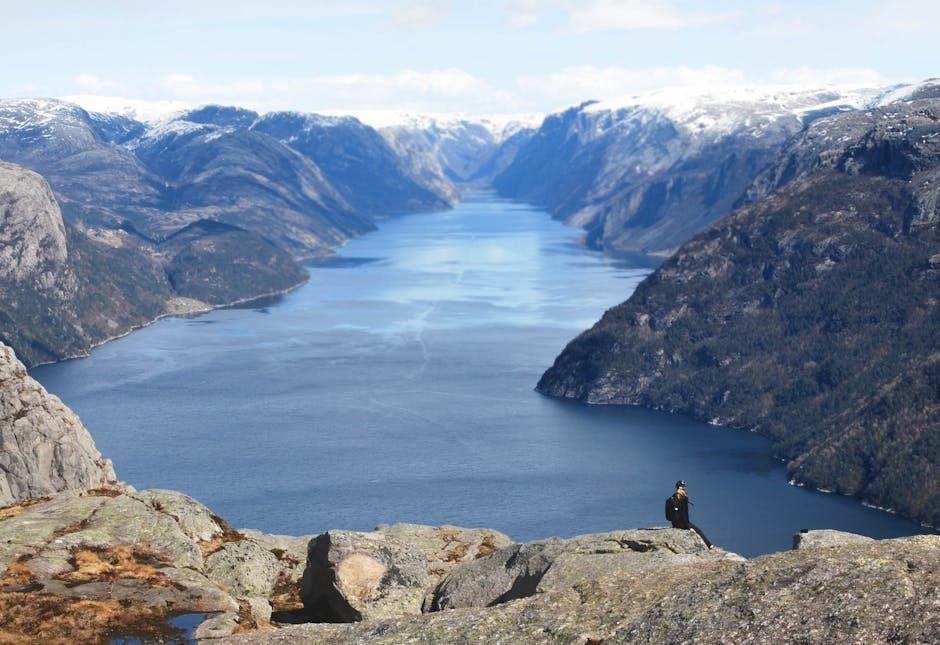
Why Norway’s Fjords and Scenic Routes Are Worth the Trip
Norway’s fjords—carved by ancient glaciers—are among the planet’s most awe-inspiring geological formations. The UNESCO-listed Nærøyfjord, Sognefjord, and Geirangerfjord offer steep cliffs, emerald waters, and quiet villages nestled along the shore. Scenic routes like the Atlantic Road, Trollstigen, and the Lofoten Islands’ E10 highway connect these natural wonders with engineering marvels and panoramic viewpoints. These routes aren’t just about getting from point A to B—they’re destinations in themselves, designed to showcase Norway’s raw beauty at every turn.
Top Fjords to Visit in Norway
Each fjord has its own character and accessibility. Here are the most rewarding ones to include in your itinerary:
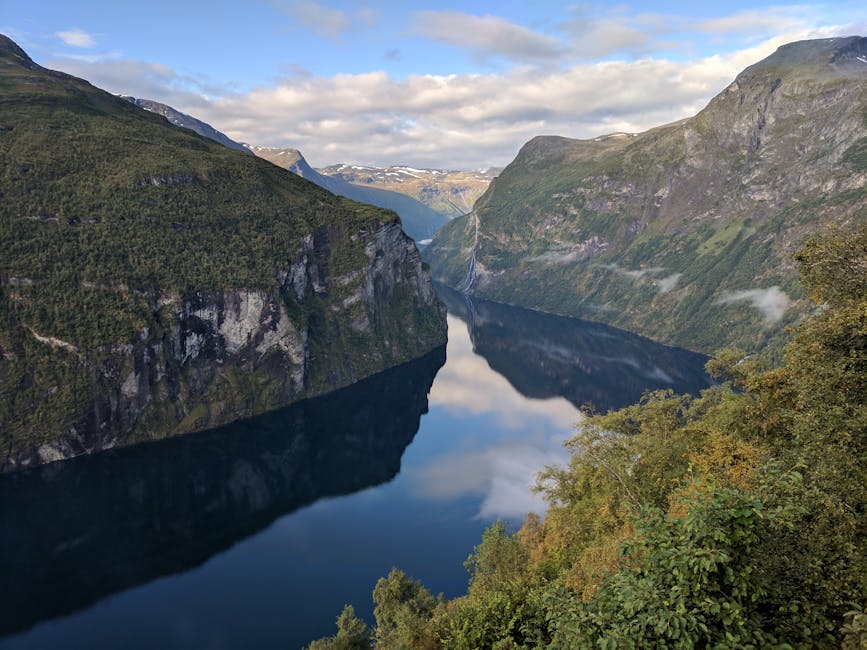
- Geirangerfjord: A UNESCO site with the Seven Sisters and Suitor waterfalls. Best viewed by cruise or from the Flydalsjuvet viewpoint.
- Nærøyfjord: Narrow and serene, ideal for kayaking or small-boat tours. Accessible via Gudbrandsdalen or by ferry from Flåm.
- Sognefjord: The longest and deepest fjord in Norway, branching into smaller arms like Nærøyfjord and Aurlandsfjord. Base yourself in Flåm or Balestrand for exploration.
- Hardangerfjord: Known for fruit orchards and the Vøringsfossen waterfall. Less crowded than Geiranger, great for summer hikes.
Best Scenic Driving Routes in Norway
Driving in Norway is a highlight for many travelers. The road system is well-maintained, and signage is clear, but mountain passes can close unexpectedly in winter. Here are the top routes to consider:
Atlantic Road (Atlanterhavsveien)
This 8.3-kilometer stretch connects several small islands with bridges and causeways over the open sea. It’s especially dramatic in rough weather, with waves crashing against the road. Visit between May and September for the best conditions. A toll applies, but it’s included in the Norwegian toll pass if you’re renting a car.
Trollstigen (Troll’s Ladder)
A winding mountain road with 11 sharp hairpin bends, Trollstigen climbs over 800 meters in just 10 kilometers. It’s closed from October to May due to snow and ice. The nearby Trollveggen (Troll Wall) is Europe’s tallest vertical cliff—worth a stop for photos.
National Tourist Route 7: Hardangervidda
This high-altitude route crosses Europe’s largest mountain plateau. In summer, it’s ideal for hiking and wild reindeer spotting. In winter, it’s often impassable without snow tires and chains. Fuel up before starting—services are sparse.
Lofoten Islands (E10 Highway)
The E10 runs through dramatic fishing villages, red cabins, and jagged peaks rising straight from the sea. Rent a car in Svolvær or Leknes and allow at least three days to explore. Ferries connect the islands, but the drive itself is the main attraction.
How to Plan Your Norway Road Trip
A successful Norway trip requires advance planning, especially if you’re visiting between November and March. Here’s a step-by-step approach:
- Choose your season: Summer (June–August) offers long days and open roads. Winter brings northern lights and snow sports, but many mountain routes close.
- Rent a reliable vehicle: Opt for a car with winter tires if traveling off-season. Automatic transmission is recommended for steep, winding roads.
- Book ferries in advance: Some fjord crossings, like the Gudbrandsfjord route, require reservations. Use the Fjord Norway or Torghatten Nord websites.
- Download offline maps: Mobile coverage is spotty in remote areas. Google Maps and Maps.me work well offline.
- Pack layers and rain gear: Weather changes quickly, even in summer. Waterproof clothing is essential.
Ferry Crossings and Public Transport Tips
Norway’s geography means ferries are a regular part of travel. The Hurtigruten coastal ferry and Fjord Line operate major routes, but local ferries are often included in road trips. Here’s what to know:
- Ferries run on fixed schedules—check times at fjord1.no or torghatten.no.
- Most ferries allow walk-ons, but car reservations are recommended in summer.
- The Norway in a Nutshell tour combines train, bus, and ferry from Oslo to Bergen via Flåm—ideal for first-time visitors.
- Public transport is efficient in cities, but rural areas require a car or guided tour.
Hiking and Outdoor Activities Near the Fjords
Norway’s fjords are gateways to world-class hiking. Trails range from easy lakeside walks to multi-day mountain treks. Popular options include:
- Preikestolen (Pulpit Rock): A 3.8-kilometer hike with a sheer cliff drop over Lysefjord. Allow 4–5 hours round-trip. Start early to avoid crowds.
- Trolltunga: A 28-kilometer out-and-back hike requiring 10–12 hours. Best attempted July–September with a guide if inexperienced.
- Flåm Railway: Not a hike, but a scenic train ride descending 863 meters into the valley. Connects to the Aurlandsfjord and Nærøyfjord.
Compact Comparison: Popular Fjord Regions
| Region | Best For | Accessibility | Peak Season |
|---|---|---|---|
| Geirangerfjord | Waterfalls, cruise tours | Car, ferry, or bus from Åndalsnes | June–August |
| Nærøyfjord | Kayaking, quiet scenery | Train to Flåm + ferry or bus | May–September |
| Hardangerfjord | Fruit orchards, hiking | Car from Bergen (1.5 hours) | May–October |
| Lofoten Islands | Fishing villages, photography | Car via E10 or flight to Svolvær | June–August |
Budget Tips for Traveling in Norway
Norway is expensive, but smart planning can reduce costs:
- Accommodation: Book cabins or guesthouses in advance. Camping is legal in most areas (allemannsretten), but check local rules.
- Food: Supermarkets like Rema 1000 and Kiwi offer affordable groceries. Avoid restaurants in tourist hubs.
- Transport: Consider the Eurail Norway Pass for trains and some ferries. Car rental is costly—compare prices and avoid airport pickups.
- Activities: Many hikes and viewpoints are free. Paid attractions like the Flåm Railway offer combo tickets.
Safety and Practical Advice
Norway is safe, but remote travel requires preparation:
- Always carry a physical map and emergency contacts. Mobile networks don’t cover all areas.
- Wild camping is allowed, but not within 150 meters of homes or in protected zones.
- Weather can change rapidly—check yr.no for forecasts.
- If driving, keep headlights on at all times and watch for sheep on roads.
When to Visit Norway for Fjords and Scenic Drives
The best time depends on your goals:
- June to August: Warmest weather, midnight sun, open roads. Peak tourist season—book early.
- May and September: Fewer crowds, lower prices, still good weather. Some mountain passes may close in early May.
- October to April: Northern lights, snow sports, and quiet landscapes. Many scenic routes close; winter tires required.
Final Thoughts on Norway Travel
Norway rewards thoughtful planning and flexibility. Whether you’re cruising through a silent fjord, driving a coastal road, or hiking to a cliffside viewpoint, the country’s natural beauty is unmatched. Use this Norway travel guide with fjords and scenic routes tips to build an itinerary that balances must-see sights with hidden gems. With the right preparation, your trip will be as smooth as it is unforgettable.
FAQ
Do I need a car to explore Norway’s fjords?
While public transport and tours cover major routes, a car gives you the freedom to explore remote areas and scenic drives at your own pace. Renting is recommended for flexibility.
Are Norway’s scenic roads safe in winter?
Many high mountain passes close from October to May. If driving in winter, ensure your vehicle has winter tires and check road conditions on vegvesen.no.
How long should I spend in Norway to see the fjords?
At least 7–10 days is ideal to cover 2–3 fjord regions without rushing. Add extra time for hiking or island exploration.