Best Cities to Visit in USA for First-Time Travelers
For first-time travelers to the United States, choosing where to go can feel overwhelming. The country spans diverse regions, each offering distinct cultures, landscapes, and experiences. The best cities to visit in USA for first-time travelers balance iconic landmarks, walkable neighborhoods, reliable public transit, and a range of accommodations. This guide highlights top destinations that are welcoming, easy to navigate, and rich in must-see sights—perfect for building confidence and creating lasting memories.
Why These Cities Stand Out for New Visitors
Not every U.S. city is equally suited for first-time international or domestic travelers. Ideal destinations offer clear signage, English as the primary language, strong tourist infrastructure, and a mix of history, culture, and entertainment. Safety, affordability, and accessibility also play key roles. The cities featured here are consistently rated highly by travel experts and visitor reviews for their ease of use and overall appeal to newcomers.
Top 6 Cities for First-Time Travelers
1. New York City, New York
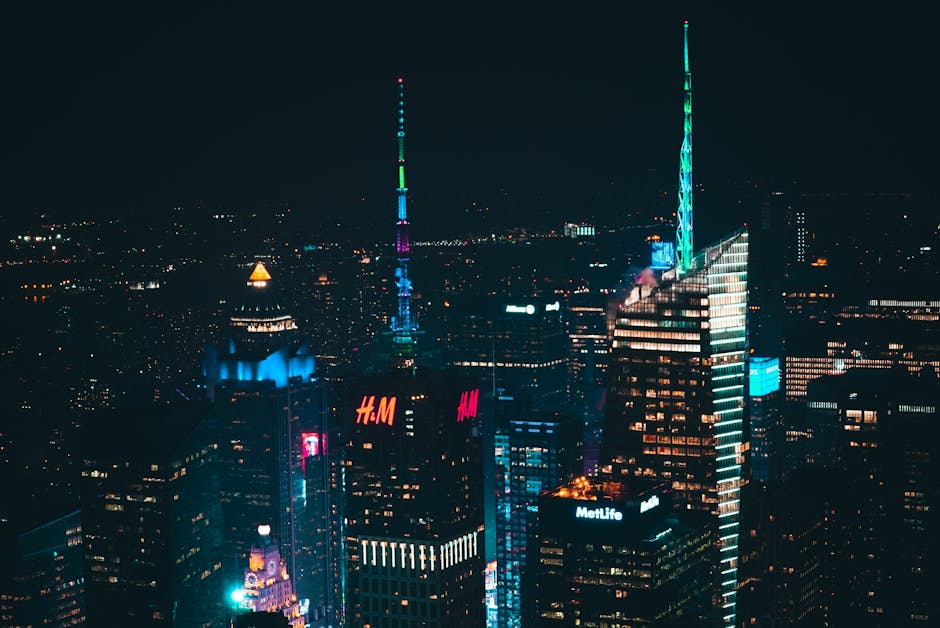
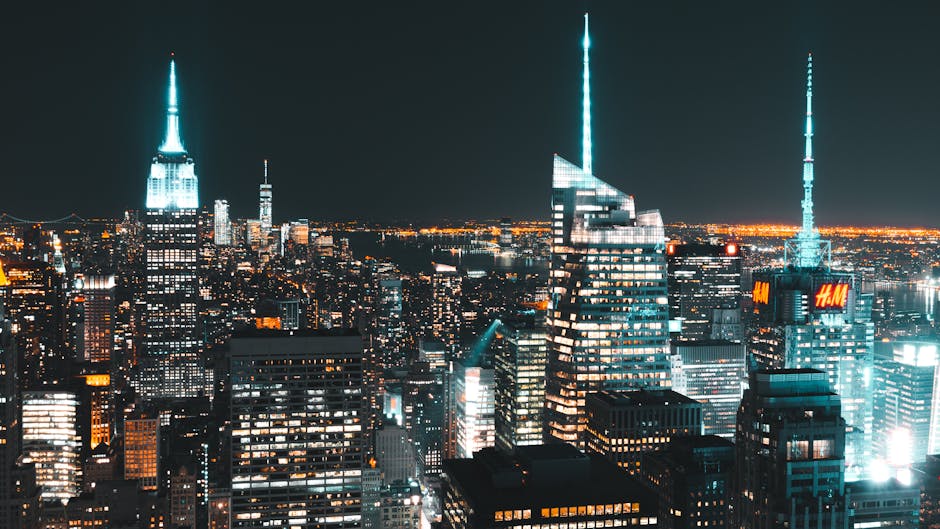
New York City is often the first stop for international visitors, and for good reason. It’s home to world-famous attractions like Times Square, Central Park, the Statue of Liberty, and Broadway. The subway system, while busy, is one of the most extensive in the world and makes getting around straightforward. Neighborhoods like Greenwich Village and SoHo offer charming streets, diverse dining, and boutique shopping. First-timers should consider purchasing a MetroCard for unlimited subway and bus rides and booking major attractions in advance to avoid long lines.
2. San Francisco, California
San Francisco combines natural beauty with urban charm. The Golden Gate Bridge, Alcatraz Island, and cable cars are iconic symbols that draw millions each year. The city’s compact layout and frequent public transit—including buses, light rail, and ferries—make it easy to explore. Fisherman’s Wharf and Chinatown offer lively atmospheres, while nearby Muir Woods and Sausalito provide quick escapes into nature. Be prepared for cool, foggy weather even in summer, and always carry a light jacket.
3. Washington, D.C.
As the nation’s capital, Washington, D.C., is rich in history and free cultural experiences. Most Smithsonian museums, including the National Air and Space Museum and the National Museum of Natural History, charge no admission. The National Mall stretches from the Lincoln Memorial to the U.S. Capitol, lined with monuments and memorials. The city is pedestrian-friendly, with clean sidewalks and clear signage. Public transportation via the Metro is efficient, though service can be affected by maintenance schedules—check real-time updates before traveling.
4. Chicago, Illinois
Chicago offers a mix of architectural marvels, lakefront recreation, and vibrant neighborhoods. The Magnificent Mile is perfect for shopping and dining, while Millennium Park features the famous Cloud Gate sculpture (“The Bean”). The city’s elevated train system (the “L”) provides affordable and scenic access to major districts. Summer brings festivals and lakefront beaches, while winter transforms the city into a snowy wonderland—pack accordingly. First-timers should explore neighborhoods like Wicker Park and Lincoln Park for local flavor beyond downtown.
5. New Orleans, Louisiana
New Orleans stands out for its unique blend of French, Spanish, African, and American influences. The French Quarter buzzes with jazz music, Creole cuisine, and historic architecture. Walking tours are popular and informative, especially those focusing on history, ghost stories, or food. Be mindful of uneven sidewalks and occasional street flooding after rain. The city is generally safe in tourist areas, but it’s wise to stay aware of your surroundings, especially at night. Try beignets at Café du Monde and take a steamboat ride on the Mississippi River for authentic local experiences.
6. Seattle, Washington
Seattle combines urban sophistication with outdoor adventure. The Space Needle, Pike Place Market, and the Chihuly Garden and Glass exhibit are must-sees. The city is known for its coffee culture—home to Starbucks’ original location—and thriving food scene. Public transit includes buses, light rail, and ferries, making it possible to visit nearby attractions like Bainbridge Island or Mount Rainier National Park with some planning. Rain is common, so waterproof footwear and layers are essential. First-timers should also consider a day trip to Mount Rainier or the San Juan Islands for natural beauty.
How to Choose the Right City for Your Trip
Your ideal destination depends on your interests, budget, and travel style. Consider what you want to experience: history, food, nature, nightlife, or family-friendly activities. Climate and season matter too—some cities are best visited in spring or fall to avoid extreme heat or cold. Length of stay also plays a role; shorter trips may benefit from cities with concentrated attractions, while longer stays allow for deeper exploration.
Budget-conscious travelers should compare costs of accommodations, meals, and transportation. Cities like Washington, D.C., and Chicago offer many free attractions, while New York and San Francisco tend to be more expensive. Look for city tourism cards that bundle entry to multiple sites at a discount.
Essential Tips for First-Time U.S. Travelers
- Plan transportation in advance: Research public transit options and download local transit apps. Ride-sharing services like Uber and Lyft are widely available but can be costly for long distances.
- Carry identification: Always have a government-issued ID, even if you’re not driving. Some venues require it for entry.
- Understand tipping customs: In the U.S., tipping 15–20% at restaurants and for services like taxis and haircuts is standard.
- Stay connected: Consider purchasing a local SIM card or an international data plan to avoid high roaming fees.
- Check visa and entry requirements: Ensure your passport is valid and verify if you need a visa or ESTA authorization before departure.
City Comparison at a Glance
| City | Best For | Average Daily Cost (USD) | Public Transit Score (1–10) | Top Attraction |
|---|---|---|---|---|
| New York City | Iconic sights, theater, shopping | $250–$350 | 9 | Statue of Liberty |
| San Francisco | Scenic views, tech culture, food | $220–$320 | 8 | Golden Gate Bridge |
| Washington, D.C. | History, museums, monuments | $180–$280 | 8 | Smithsonian Museums |
| Chicago | Architecture, lakefront, music | $200–$300 | 7 | Millennium Park |
| New Orleans | Music, cuisine, nightlife | $170–$260 | 6 | French Quarter |
| Seattle | Coffee, nature, innovation | $210–$310 | 7 | Pike Place Market |
Final Thoughts on the Best Cities to Visit in USA for First-Time Travelers
The United States offers a wealth of experiences for first-time visitors, and the best cities to visit in USA for first-time travelers provide a strong foundation for a successful trip. Whether you’re drawn to the energy of New York, the history of D.C., or the culture of New Orleans, each destination offers something unique. Prioritize cities that match your interests and travel pace, and don’t hesitate to start with one or two to avoid feeling rushed. With thoughtful planning and an open mind, your first U.S. adventure can be both enjoyable and unforgettable.
Frequently Asked Questions
What is the safest city for first-time travelers in the U.S.?
Washington, D.C., and Chicago are generally considered safe for tourists, especially in well-trafficked areas. Stick to main streets, avoid poorly lit areas at night, and keep valuables secure. Check local travel advisories before your trip.
Do I need a car to get around these cities?
No. All the cities listed have reliable public transportation. In fact, driving in cities like New York or San Francisco can be stressful due to traffic and parking costs. Use subways, buses, or ride-sharing services instead.
When is the best time to visit these cities?
Spring (April–June) and fall (September–October) offer mild weather and fewer crowds. Summer is peak season but can be hot and busy. Winter varies—some cities host holiday markets, while others face snow and cold temperatures.