
Best Places to Visit in Mexico for Vacation and Travel
Mexico offers a rich blend of ancient history, vibrant culture, stunning beaches, and diverse landscapes—making it one of the top destinations for travelers worldwide. Whether you’re seeking sun-drenched coastlines, colonial charm, or archaeological wonders, the best places to visit in Mexico for vacation and travel deliver unforgettable experiences. From Cancún’s turquoise waters to Oaxaca’s culinary scene, this guide highlights must-see destinations that cater to every type of traveler.
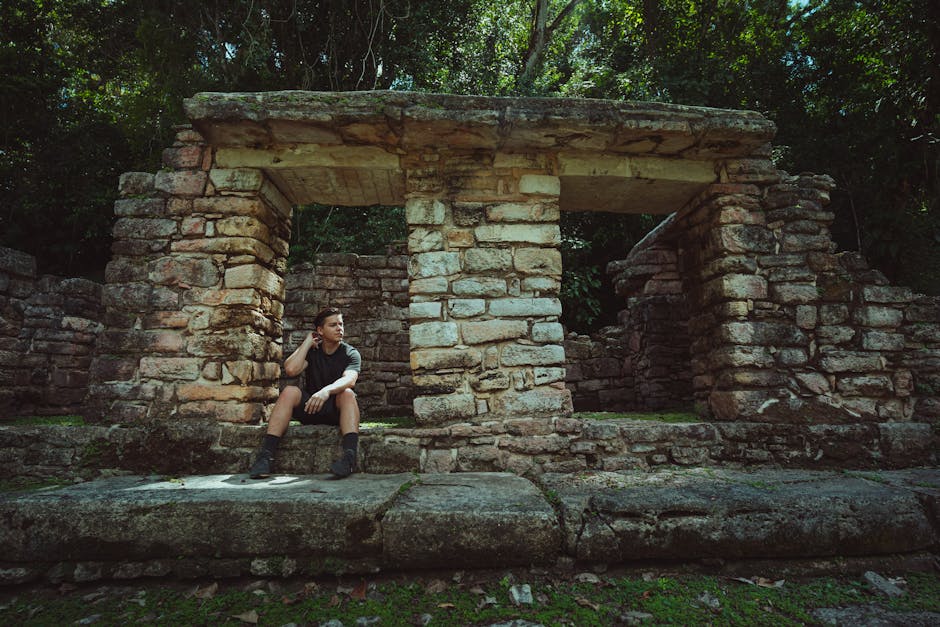
Top Destinations for Every Travel Style
Mexico’s geographic and cultural diversity means there’s something for everyone. Coastal resorts, mountain towns, jungle ruins, and desert landscapes are all within reach. Below are the standout locations that consistently rank among the best places to visit in Mexico for vacation and travel.
Cancún and the Riviera Maya: Caribbean Paradise
Cancún is synonymous with white-sand beaches, all-inclusive resorts, and crystal-clear waters. Just south along the Riviera Maya, you’ll find Tulum’s bohemian beach clubs, Playa del Carmen’s lively Fifth Avenue, and the serene cenotes—natural sinkholes perfect for swimming and snorkeling.
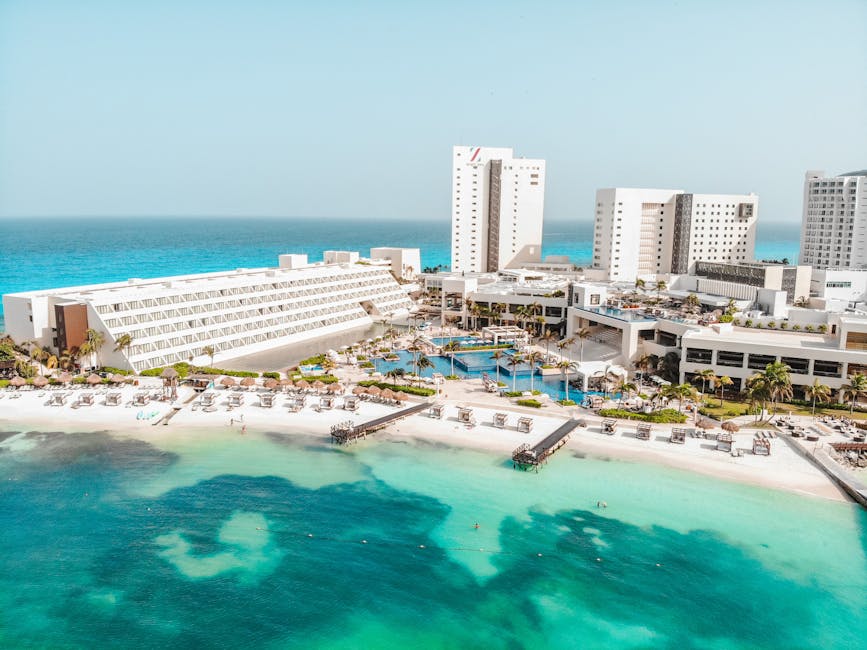
Beyond relaxation, this region offers access to world-class archaeological sites like Chichén Itzá and Tulum Ruins, both easily reachable on day trips. For underwater enthusiasts, the Mesoamerican Barrier Reef provides exceptional snorkeling and diving opportunities.
Tip: Visit between November and April for ideal weather. Summer months can be hot and humid, with higher chances of rain.
Mexico City: Culture and Contrast
As one of the largest cities in the world, Mexico City blends pre-Hispanic heritage with modern art, food, and architecture. The historic center, a UNESCO World Heritage Site, features the Metropolitan Cathedral, National Palace, and Templo Mayor ruins.
Art lovers shouldn’t miss the Frida Kahlo Museum in Coyoacán or the expansive collections at the National Museum of Anthropology. The city’s food scene is equally impressive, from street tacos in Roma to fine dining in Polanco.
Note: Altitude (over 7,000 feet) can affect some visitors. Stay hydrated and take it easy the first day.
Oaxaca: Flavors and Traditions
Oaxaca is a cultural gem known for its indigenous heritage, colonial architecture, and world-renowned cuisine. The city’s zócalo is a lively hub surrounded by cafes, markets, and artisan shops. Don’t miss the Mercado de Benito Juárez for handmade crafts and local delicacies like mole and mezcal.
Nearby, the archaeological site of Monte Albán offers sweeping views and insight into Zapotec civilization. The surrounding valleys are dotted with villages specializing in pottery, textiles, and woodcarving.
Best time to visit: Late October to early November during Día de Muertos celebrations, though book accommodations well in advance.
Guanajuato: Colonial Charm and Color
Nestled in the central highlands, Guanajuato is a picturesque city of winding alleyways, colorful buildings, and underground streets. The town’s romantic atmosphere and artistic spirit make it a favorite among travelers seeking authenticity.
The Cervantino Festival each fall draws international performers, while the Museo de las Momias (Mummy Museum) offers a unique—if eerie—glimpse into local history. Nearby, the silver-mining town of San Miguel de Allende adds another layer of colonial elegance.
Puerto Vallarta: Pacific Coast Appeal
On the Pacific side, Puerto Vallarta combines beachfront luxury with a laid-back vibe. The Malecón boardwalk features sculptures, street performers, and ocean views. The Zona Romántica offers boutique hotels, seaside restaurants, and sunset cruises.
Adventure seekers can hike in the Sierra Madre, zip-line through the jungle, or take a boat trip to the Marietas Islands, home to the famous Hidden Beach.
Warning: Ocean currents can be strong—swim only in designated areas and heed local advisories.
Hidden Gems Worth Exploring
While major destinations draw crowds, Mexico’s lesser-known spots offer equally rewarding experiences with fewer tourists.
Baja California: Desert Meets Sea
The Baja Peninsula stretches from Tijuana down to Cabo San Lucas, offering dramatic coastal scenery, world-class surfing, and marine life. Ensenada is known for its wine region, while La Paz serves as a gateway to snorkeling with sea lions in the Sea of Cortez.
Cabo San Lucas features luxury resorts, sportfishing, and the iconic El Arco rock formation. For a quieter alternative, consider Todos Santos, a bohemian town with art galleries and surf breaks.
Chiapas: Jungle and Indigenous Culture
Chiapas, in southern Mexico, is home to lush rainforests, indigenous communities, and the stunning Sumidero Canyon. The city of San Cristóbal de las Casas offers a cool mountain climate and a strong presence of Tzotzil and Tzeltal cultures.
The ancient Maya site of Palenque is a highlight, set deep in the jungle with intricately carved temples. Nearby waterfalls and coffee plantations add to the region’s appeal.
Isla Holbox: Eco-Friendly Escape
Just north of the Yucatán Peninsula, Isla Holbox is a car-free island with pristine lagoons, flamingo-filled wetlands, and bioluminescent waters. It’s a prime spot for whale shark tours (May–September) and kayaking through mangroves.
Unlike more developed islands, Holbox maintains a relaxed, eco-conscious vibe—ideal for travelers looking to unplug.
Travel Tips for Visiting Mexico
To make the most of your trip, keep these practical tips in mind:
- Language: While many tourist areas have English speakers, learning basic Spanish phrases enhances your experience.
- Safety: Stick to well-traveled areas, avoid displaying valuables, and use official taxis or ride-sharing apps.
- Currency: The Mexican peso (MXN) is the local currency. Credit cards are widely accepted in cities, but carry cash for markets and rural areas.
- Transportation: Domestic flights connect major cities quickly. Buses are affordable and comfortable for regional travel.
- Health: Drink bottled water, use sunscreen, and consider travel insurance that covers medical care.
Comparing Popular Mexican Destinations
Choosing where to go depends on your interests. The table below compares key features of top destinations to help you decide.
| Destination | Best For | Ideal Visit Duration | Peak Season |
|---|---|---|---|
| Cancún & Riviera Maya | Beach relaxation, snorkeling, nightlife | 5–7 days | Dec–Apr |
| Mexico City | Museums, food, history, urban culture | 4–6 days | Oct–Apr |
| Oaxaca | Cuisine, crafts, festivals, archaeology | 4–5 days | Oct–Nov, Mar–Apr |
| Guanajuato | Colonial architecture, art, festivals | 3–4 days | Oct–Nov |
| Puerto Vallarta | Pacific beaches, adventure, dining | 5–7 days | Nov–Apr |
Final Thoughts
From ancient pyramids to powdery beaches, the best places to visit in Mexico for vacation and travel offer a dynamic mix of adventure, culture, and relaxation. Whether you’re planning a family getaway, a romantic escape, or a solo journey of discovery, Mexico’s destinations provide lasting memories. Prioritize safety, respect local customs, and embrace the country’s warmth and hospitality.
FAQ
What is the best time of year to visit Mexico?
The ideal time is typically between November and April, when weather is dry and temperatures are pleasant across most regions. However, coastal areas like Cancún can be busy during this period, so book early.
Is Mexico safe for tourists?
Most tourist destinations in Mexico are safe when common-sense precautions are taken. Stick to well-known areas, avoid traveling at night in unfamiliar regions, and stay informed about local conditions.
Do I need a visa to visit Mexico?
Citizens of the U.S., Canada, the EU, and many other countries do not need a visa for stays up to 180 days. A tourist permit (FMM) is usually issued upon arrival.