
Exploring Brazil Travel Guide with Beaches and Culture
Brazil is a vibrant destination where golden beaches meet rich cultural traditions. From the rhythm of Rio de Janeiro’s Carnival to the quiet beauty of Fernando de Noronha’s shores, this South American giant offers a dynamic blend of natural wonders and deep-rooted heritage. Whether you’re drawn to bustling cities, remote rainforests, or coastal retreats, this travel guide helps you navigate Brazil’s highlights with practical advice on where to go, what to do, and how to travel responsibly.
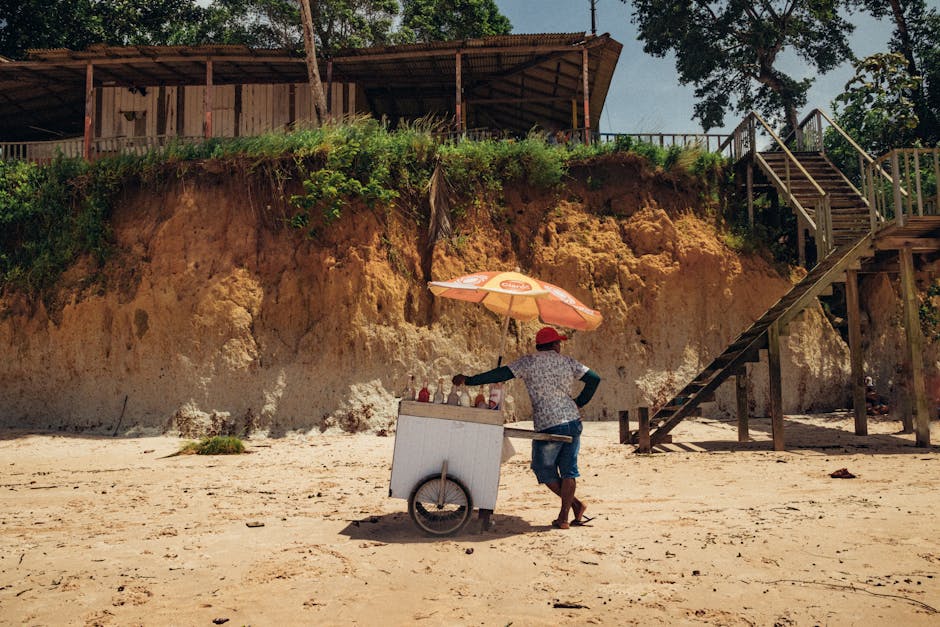
Why Brazil Is a Must-Visit Destination
Spanning over 8.5 million square kilometers, Brazil is the largest country in South America and home to some of the world’s most iconic landscapes. Its coastline stretches nearly 7,500 kilometers along the Atlantic Ocean, offering everything from party beaches in Salvador to secluded coves in the Northeast. Beyond the sand, Brazil’s cultural tapestry includes Afro-Brazilian traditions, indigenous influences, and European colonial architecture—all woven into a lively national identity.
Travelers often come for the beaches but stay for the warmth of the people, the diversity of experiences, and the sheer scale of adventure. Whether you’re hiking through the Amazon, dancing in a samba school, or watching the sunset over Copacabana, Brazil delivers moments that are both exhilarating and deeply human.
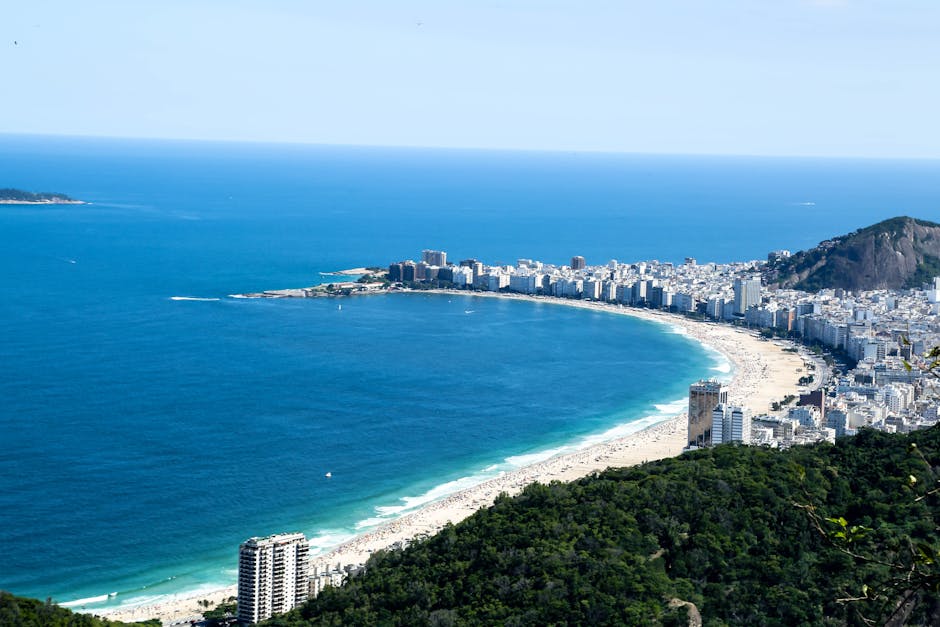
Top Beaches to Visit in Brazil
Brazil’s coastline is a playground for beach lovers. While many associate the country with Rio’s famous shores, the real gems are often found off the beaten path. Here are a few standout destinations:
- Copacabana and Ipanema (Rio de Janeiro): These urban beaches are iconic for a reason—white sand, ocean views, and a constant buzz of activity. Perfect for first-time visitors wanting city energy and beach access in one.
- Morro de São Paulo (Tinharé Island): A car-free island in Bahia with turquoise waters, jungle trails, and a laid-back vibe. Ideal for travelers seeking tranquility without sacrificing charm.
- Prai do Sancho (Fernando de Noronha): Often ranked among the world’s best beaches, this protected marine park requires a daily visitor limit. Access involves a steep staircase, but the reward is crystal-clear water and abundant marine life.
- Jericoacoara (Ceará): Known for its wind, sand dunes, and kite surfing, this former fishing village has transformed into a bohemian hotspot. The nearby lagoon, Lagoa do Paraíso, is a freshwater oasis perfect for swimming.
Beach Safety and Etiquette
While Brazil’s beaches are generally safe, it’s wise to stay alert. Avoid leaving valuables unattended, especially in crowded areas like Copacabana. Swim only in designated zones with lifeguards, and heed warning flags—riptides and strong currents are common. Locals often swim in the early morning or late afternoon to avoid peak sun and crowds. Respect local customs: topless sunbathing is not common, and public displays of affection should be kept moderate.
Immersing in Brazil’s Cultural Highlights
Brazil’s culture is as diverse as its geography. Rooted in a mix of Indigenous, African, and European influences, it manifests in music, food, festivals, and daily life. Understanding this cultural layer enriches any visit.
Music and Dance: The Heartbeat of Brazil
Samba, bossa nova, and forró aren’t just music genres—they’re ways of life. In Rio, visit a samba school rehearsal in the weeks leading up to Carnival to see the passion behind the parade. In Recife and Olinda, the June festivals celebrate Catholic saints with street parties, traditional dances, and regional food. For a more intimate experience, seek out live performances in neighborhoods like Lapa (Rio) or Pelourinho (Salvador), where the music spills into the streets.
Festivals You Should Experience
- Carnival (February/March): The world’s most famous festival, with Rio’s Sambadrome parades drawing millions. Smaller cities like Recife and Olinda offer more authentic, community-driven celebrations.
- Festa Junina (June): A rural-inspired festival with bonfires, folk dances, and foods like corn-based dishes and quentão (spiced hot wine).
- Parintins Folklore Festival (June): Held in the Amazon state of Parintins, this three-day event features elaborate costumes and storytelling rooted in Amazonian myths.
Regional Cuisine: A Taste of Diversity
Brazilian food varies dramatically by region. In the Northeast, try acarajé—black-eyed pea fritters sold by baianas in traditional dress. In the South, churrasco (barbecue) dominates, with endless skewers of grilled meat served at rodízio restaurants. Don’t miss feijoada, a hearty black bean stew with pork, traditionally eaten on Wednesdays and Saturdays. For a sweet treat, sample brigadeiros—chocolate truffles made with condensed milk—or fresh açaí bowls from Amazonian vendors.
Essential Travel Tips for Brazil
Navigating Brazil requires preparation, especially for first-time visitors. Here’s what you need to know:
- Language: Portuguese is the official language. While English is spoken in tourist areas, learning basic Portuguese phrases goes a long way.
- Currency: The Brazilian real (BRL) is used nationwide. Credit cards are widely accepted in cities, but carry cash for smaller towns and markets.
- Safety: Exercise caution in urban areas. Avoid displaying expensive items, use registered taxis or ride-sharing apps, and stay in well-lit, populated areas at night.
- Transportation: Domestic flights connect major cities efficiently. For shorter distances, buses are affordable and comfortable. In cities, metro systems in São Paulo and Rio are reliable.
- Visa Requirements: Citizens of the U.S., Canada, Australia, and most EU countries need a visa or an e-visa to enter Brazil. Check the official Brazilian consulate website before traveling.
Where to Stay: From Luxury to Backpacking
Accommodation in Brazil ranges from five-star beachfront resorts to budget hostels and eco-lodges. In Rio and São Paulo, boutique hotels in neighborhoods like Ipanema or Vila Madalena offer style and convenience. In the Amazon, floating lodges provide access to remote wildlife. For a unique experience, consider staying in a pousada—a family-run guesthouse common in coastal towns—where personalized service and local charm are standard.
Comparison of Accommodation Types
| Type | Best For | Average Cost (per night) | Location Examples |
|---|---|---|---|
| Boutique Hotel | Comfort & style | $120–$250 | Rio de Janeiro, São Paulo |
| Pousada | Local charm | $60–$150 | Morro de São Paulo, Paraty |
| Eco-Lodge | Nature immersion | $80–$200 | Amazon, Fernando de Noronha |
| Hostel | Budget travelers | $15–$40 | Belo Horizonte, Florianópolis |
Responsible Travel in Brazil
With its vast natural resources and cultural wealth, Brazil benefits greatly from mindful tourism. Support local businesses by eating at family-run restaurants, buying crafts directly from artisans, and choosing tour operators with sustainability certifications. In protected areas like the Amazon or national parks, follow park rules, stay on marked trails, and avoid single-use plastics. When visiting indigenous communities, always go with a licensed guide and respect photography restrictions.
Final Thoughts on Exploring Brazil
Exploring Brazil travel guide with beaches and culture means embracing a country of contrasts—where modern cities meet ancient traditions, and natural beauty abounds at every turn. Whether you’re lounging on a secluded beach, dancing to samba in a Rio alley, or exploring the rainforest, Brazil rewards curiosity and openness. Plan ahead, stay aware, and let the rhythm of the country guide your journey.
FAQ
What is the best time to visit Brazil?
The ideal time depends on your destination. For Rio and the Southeast, April to June and September to October offer pleasant weather and fewer crowds. The Northeast beaches are warm year-round, but December to March is peak season. Avoid Carnival week if you prefer quieter travel, as prices surge and accommodations book up months in advance.
Is Brazil safe for solo travelers?
Yes, with precautions. Major tourist areas are generally safe, but solo travelers—especially women—should avoid walking alone at night, use trusted transportation, and keep copies of important documents. Staying in well-reviewed accommodations and connecting with other travelers can enhance safety and enjoyment.
Do I need to speak Portuguese to travel in Brazil?
While not required, knowing basic Portuguese greatly improves your experience. Outside major tourist zones, English is limited. Simple phrases like “obrigado” (thank you), “onde fica…?” (where is…?), and “quanto custa?” (how much does it cost?) are appreciated and often met with warmth.