Argentina Travel Guide with Top Places to Visit in 2026
Argentina offers a diverse mix of dramatic landscapes, vibrant cities, and rich cultural experiences—making it one of South America’s most compelling destinations. Whether you’re drawn to the thundering Iguazú Falls, the wine regions of Mendoza, or the cosmopolitan energy of Buenos Aires, this Argentina travel guide highlights the top places to visit in 2026. From Patagonia’s glacial lakes to the rugged Andes, each region presents unique adventures. This guide covers essential destinations, seasonal considerations, and practical tips to help you plan a well-rounded trip.
Why Visit Argentina in 2026?
With stable tourism infrastructure, improved air connectivity, and a favorable exchange rate for many foreign visitors, 2026 is an ideal time to explore Argentina. The country continues to invest in sustainable travel initiatives, particularly in national parks and indigenous communities. Events like the Buenos Aires Tango Festival and Mendoza’s Grape Harvest Festival add cultural depth to any itinerary. Whether you’re a nature lover, food enthusiast, or history buff, Argentina delivers authentic experiences without the crowds of more commercialized destinations.
Top Destinations to Include in Your 2026 Itinerary
Argentina’s vast geography means no two trips are alike. Focus on a few key regions to maximize your time and experience. Below are the must-see destinations for travelers planning a 2026 visit.
Buenos Aires: The Heartbeat of Argentina
Start your journey in Buenos Aires, the nation’s capital and cultural hub. Known for its European-inspired architecture, lively neighborhoods, and world-class cuisine, the city blends old-world charm with modern energy. Visit the colorful streets of La Boca, explore the historic Plaza de Mayo, and catch a live tango performance in San Telmo. Don’t miss dinner at a traditional parrilla (steakhouse)—Argentina’s beef is among the finest in the world.
For a quieter experience, stroll through the rose gardens of Palermo or browse independent bookstores along Avenida Corrientes. Public transportation is reliable, and walking tours offer an affordable way to learn about the city’s complex history and artistic movements.
Iguazú Falls: Nature’s Masterpiece
Located on the border with Brazil, Iguazú Falls is one of the most spectacular waterfalls on Earth. The system consists of 275 individual cascades spread across nearly 3 kilometers. The Devil’s Throat, a U-shaped chasm where water plunges 80 meters, is the most dramatic section and accessible via a short walkway.
Visit during the shoulder seasons (April–May or September–October) to avoid peak crowds and enjoy comfortable temperatures. The Argentine side offers closer views and more trails, while the Brazilian side provides panoramic vistas. Both require separate visas for some nationalities, so check entry requirements in advance.
Mendoza: Wine Country in the Andes
Nestled at the foothills of the Andes, Mendoza is Argentina’s premier wine region and home to over 80% of the country’s vineyards. Malbec is the star varietal, but you’ll also find excellent Cabernet Sauvignon, Bonarda, and Torrontés. Many wineries offer tastings, tours, and vineyard lunches with mountain backdrops.
Rent a bike to explore the vineyards around Maipú or Luján de Cuyo, or join a guided tour for deeper insight into winemaking traditions. Outside of wine, Mendoza offers hiking, horseback riding, and access to Aconcagua—the highest peak outside of Asia. Visit between February and April for harvest season festivities.
Patagonia: Wilderness and Wildlife
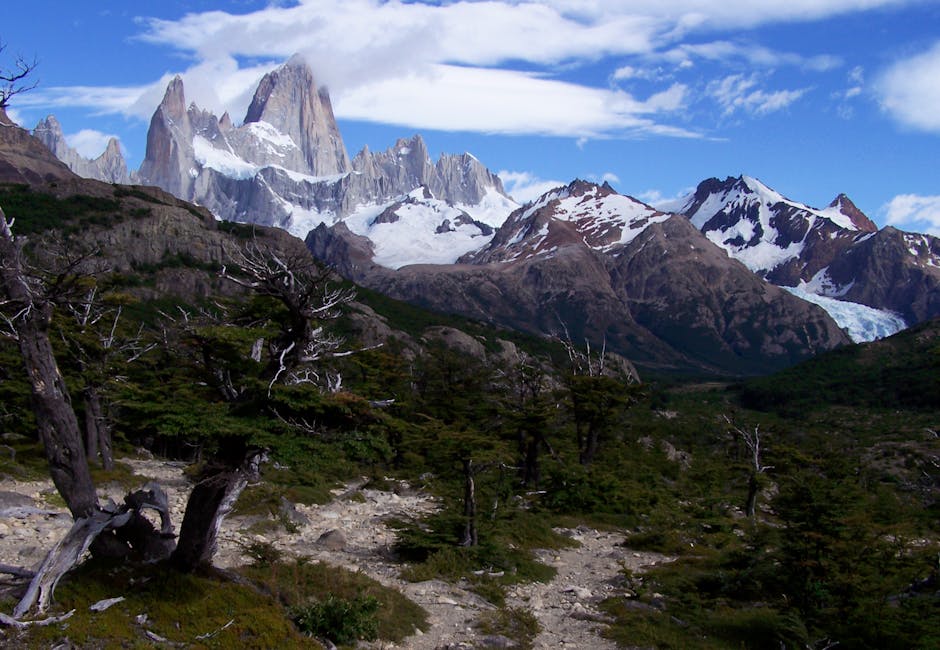
Patagonia stretches across southern Argentina and Chile, offering some of the most remote and breathtaking scenery in the world. Key stops include El Calafate, gateway to Perito Moreno Glacier, and El Chaltén, a hiker’s paradise with trails leading to Mount Fitz Roy and Laguna de los Tres.
In Ushuaia, the world’s southernmost city, you can board cruises to Antarctica or explore Tierra del Fuego National Park. Wildlife watchers should visit Peninsula Valdés between May and December to see southern right whales, elephant seals, and orcas. Pack layers—Patagonia’s weather changes quickly, even in summer.
Salta and the Northwest: Colonial Charm and Andean Culture
For a taste of Argentina’s colonial past and indigenous heritage, head to Salta and the northwestern region. The city of Salta features well-preserved Spanish architecture, a vibrant central plaza, and the MAAM museum, which showcases pre-Columbian artifacts.
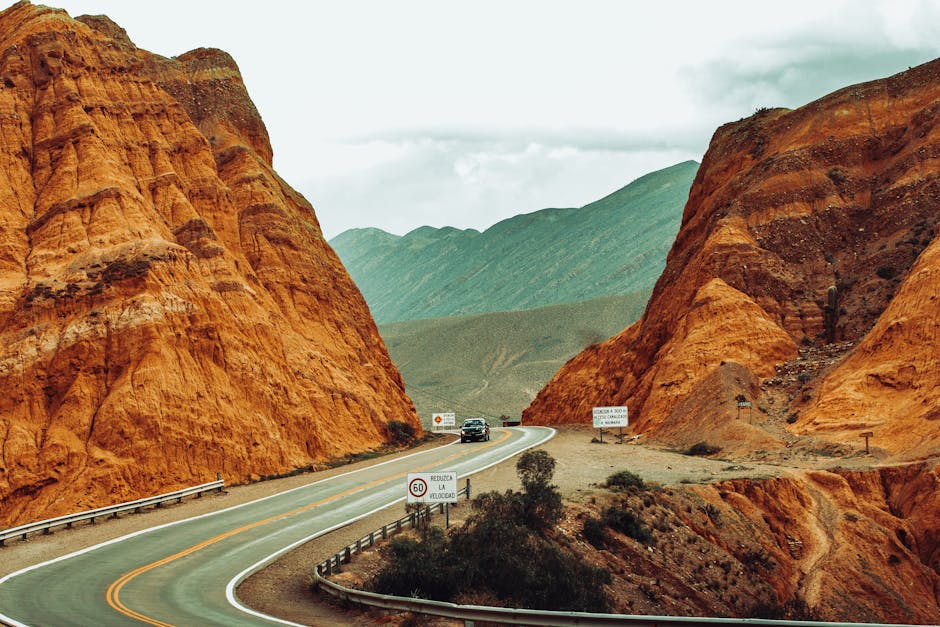
Take the Tren a las Nubes (Train to the Clouds) for a scenic ride through the Andes, or explore the Quebrada de Humahuaca, a UNESCO World Heritage site known for its colorful rock formations and Quechua communities. This region is best visited between April and October, when temperatures are mild and rainfall is low.
When to Go: Seasonal Considerations
Argentina’s seasons are opposite those in the Northern Hemisphere. Summer (December–February) brings warm weather to Buenos Aires and ideal conditions for Patagonia, but it’s also peak tourist season. Winter (June–August) is perfect for skiing in Bariloche or Mendoza, though some southern parks close due to snow.
Shoulder months offer a balance of good weather and fewer crowds. For example, visiting Iguazú in May means fewer mosquitoes and comfortable temperatures, while Mendoza in March offers harvest energy without summer heat. Always check regional conditions—Patagonia can be windy year-round, and the northwest can be hot and dry in summer.
How to Get Around
Domestic flights are the fastest way to cover long distances, with Aerolíneas Argentinas and Flybondi offering frequent routes between major cities. Buses are affordable and comfortable for medium-distance travel, with companies like Andesmar and Chevallier providing reclining seats and onboard amenities.
Renting a car gives flexibility, especially in Mendoza or Patagonia, but be prepared for variable road conditions outside urban centers. In cities, taxis and ride-sharing apps like Uber are widely available. Avoid driving in Buenos Aires during rush hour—public transit is more efficient.
Budgeting and Currency Tips
Argentina uses the Argentine peso (ARS), but due to inflation, many transactions—especially in tourist areas—are conducted in U.S. dollars. It’s common to pay for hotels, tours, and high-end restaurants in cash USD, often at a more favorable rate than official exchange channels.
To get the best rate, use informal exchange houses (known as “cuevas”) in Buenos Aires or other major cities. Avoid exchanging money at airports or banks. Credit cards are accepted in urban centers, but smaller towns and rural areas may be cash-only. Always carry small bills for tips and local vendors.
Safety and Practical Advice
Argentina is generally safe for tourists, but petty crime like pickpocketing occurs in crowded areas such as subways, markets, and tourist sites. Keep valuables secure, avoid displaying expensive electronics, and use hotel safes when available.
Tap water is safe to drink in most cities, but bottled water is recommended in remote areas. Medical facilities in major cities are adequate, but travel insurance is strongly advised. Check your government’s travel advisories before departure and register your trip if possible.
Essential Experiences Not to Miss
- Watching a live tango show in Buenos Aires
- Tasting Malbec straight from the barrel in Mendoza
- Hiking to the base of Mount Fitz Roy in El Chaltén
- Standing beneath the Devil’s Throat at Iguazú Falls
- Taking a boat tour in Tierra del Fuego National Park
- Riding the Tren a las Nubes through the Andes
Compact Comparison of Top Regions
| Region | Best For | Ideal Visit Time | Key Highlight |
|---|---|---|---|
| Buenos Aires | Culture, food, nightlife | October–April | Tango shows and steak dinners |
| Iguazú Falls | Natural wonders, photography | April–May, September–October | Devil’s Throat viewpoint |
| Mendoza | Wine, mountains, adventure | February–April | Vineyard tours and Malbec tastings |
| Patagonia | Hiking, wildlife, glaciers | November–March | Perito Moreno Glacier |
| Salta & Northwest | History, indigenous culture | April–October | Quebrada de Humahuaca |
Final Tips for a Smooth Trip
Start planning at least three months ahead, especially if visiting during peak seasons or major festivals. Book accommodations and popular tours early—glacier walks in El Calafate and tango shows in Buenos Aires sell out quickly. Learn basic Spanish phrases; while many locals speak English in tourist areas, communication improves significantly with a few key words.
Pack versatile clothing: lightweight layers for Buenos Aires, sturdy boots for Patagonia, and sun protection for the northwest. Download offline maps and translation apps before traveling. And above all, embrace the Argentine pace—meals are leisurely, siestas are common, and spontaneity often leads to the best memories.
FAQ
Do I need a visa to visit Argentina?
Citizens of the U.S., Canada, EU countries, Australia, and many others do not need a visa for stays up to 90 days. Check Argentina’s official immigration website for the most current entry requirements based on your nationality.
Is it safe to drink tap water in Argentina?
Yes, tap water is safe to drink in major cities like Buenos Aires, Córdoba, and Mendoza. In rural or remote areas, opt for bottled water to avoid stomach upset.
What’s the best way to exchange money in Argentina?
The most favorable exchange rates are often found at informal exchange houses (“cuevas”) in cities like Buenos Aires. U.S. dollars in cash are widely accepted for larger purchases, but carry pesos for everyday expenses.