Morocco Travel Guide with Culture, Food and Attractions
Morocco is a vibrant North African destination where ancient traditions meet modern energy. This Morocco travel guide with culture, food and attractions offers a practical overview for first-time visitors, covering must-see cities, authentic cuisine, cultural etiquette, and top experiences. From the blue streets of Chefchaouen to the bustling souks of Marrakech and the sweeping dunes of the Sahara, Morocco delivers a rich, sensory journey. Whether you’re planning a week-long adventure or a longer exploration, this guide helps you navigate the essentials with confidence.
Why Visit Morocco?
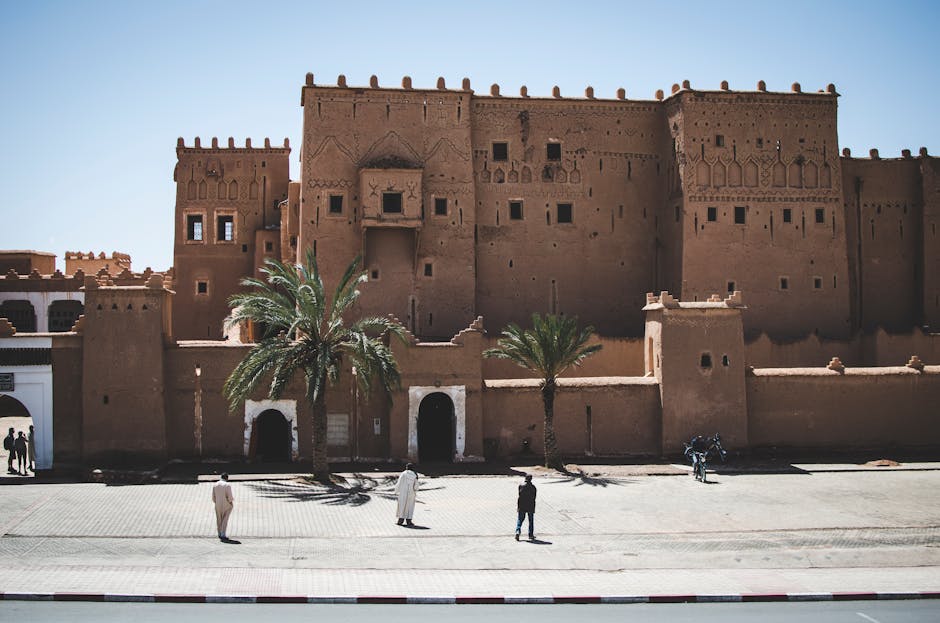
Morocco stands out for its diversity—coastal towns, mountain ranges, deserts, and imperial cities—all within a compact geographic area. Travelers are drawn to its layered history, influenced by Berber, Arab, French, and Spanish cultures. The country is safe for tourists, relatively affordable, and well-connected by trains, buses, and domestic flights. English is spoken in tourist areas, though learning basic Arabic or French phrases goes a long way.
One of Morocco’s biggest appeals is how accessible it is. A well-planned trip can include a desert camp under the stars, a guided tour of a historic medina, and a cooking class in a local home—all within a few days. The country also ranks high for solo female travelers, with a strong culture of hospitality and clear tourist infrastructure.
Top Cities and Attractions
Marrakech: The Red City
Marrakech is often the starting point for Morocco trips. Its heart is the Jemaa el-Fnaa square, which transforms from a daytime market into a lively evening spectacle with food stalls, storytellers, and musicians. Nearby, the Koutoubia Mosque dominates the skyline, while the Bahia Palace showcases intricate Islamic architecture.
The medina—a UNESCO World Heritage site—is a maze of alleys filled with leather goods, spices, and handmade crafts. Haggling is expected, so start at half the asking price and negotiate with a smile. For a quieter retreat, visit the Jardin Majorelle, a serene botanical garden once owned by Yves Saint Laurent.
Fes: Cultural and Spiritual Heart
Fes is Morocco’s oldest imperial city and home to the world’s largest car-free urban area. The Fes el-Bali medina is a step back in time, with over 9,000 narrow streets and alleys. Don’t miss the Bou Inania Madrasa for its detailed tilework and the Chouara Tannery, where leather has been dyed by hand for centuries.
Guided tours are strongly recommended in Fes—getting lost is part of the experience, but a local guide ensures you see the highlights and understand the context. Many riads (traditional guesthouses) offer rooftop views of the medina, perfect for sunset.
Chefchaouen: The Blue Pearl
Nestled in the Rif Mountains, Chefchaouen is famous for its blue-washed buildings. The color is said to reflect the sky and symbolize heaven, though some believe it was introduced by Jewish refugees in the 1930s. The town is ideal for hiking, photography, and relaxing at a café with mountain views.
The Akchour Waterfall is a short hike from the center and offers a refreshing escape. Visit early in the morning to avoid crowds and enjoy the soft light on the blue walls.
Sahara Desert: Merzouga and Zagora
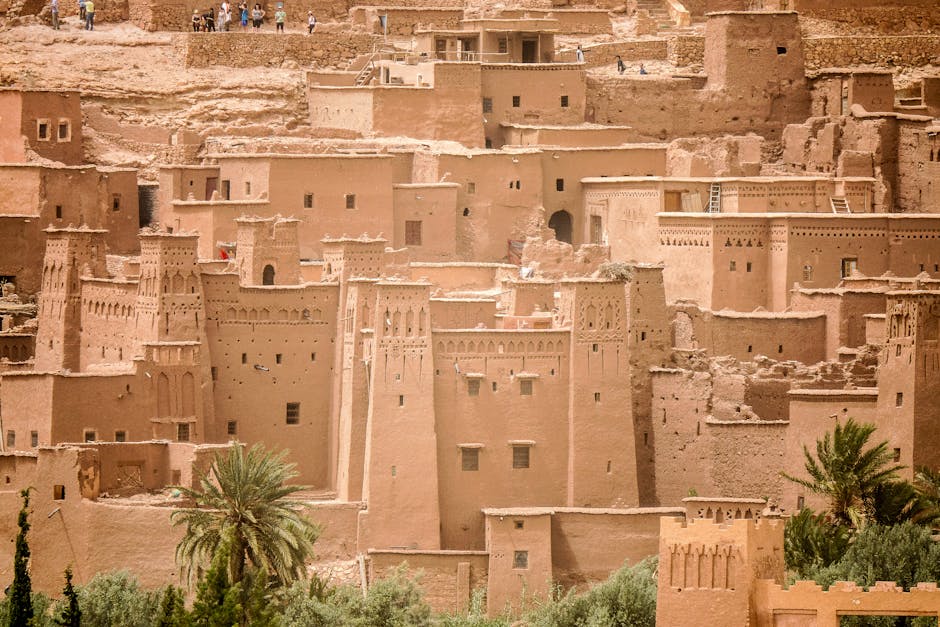
No Morocco travel guide with culture, food and attractions is complete without the Sahara. Most travelers visit either Merzouga (near Erg Chebbi dunes) or Zagora (closer to Marrakech). A 4×4 or camel trek takes you deep into the dunes for an overnight stay in a desert camp.
Sleeping in a traditional Berber tent under a sky full of stars is unforgettable. Most camps include dinner (usually tagine), breakfast, and optional music around the fire. Be prepared for cold nights—even in summer, desert temperatures drop significantly after sunset.
Moroccan Cuisine: A Flavorful Journey
Moroccan food is a highlight of any trip. Meals are often communal and served with fresh bread. Here are a few must-try dishes:
- Tagine: A slow-cooked stew named after the conical clay pot it’s cooked in. Common versions include lamb with prunes, chicken with olives, or vegetable tagine.
- Couscous: Typically served on Fridays, this steamed semolina dish is topped with vegetables and meat. It’s a staple in Moroccan homes.
- Harira: A hearty soup made with tomatoes, lentils, chickpeas, and lamb, often eaten during Ramadan to break the fast.
- Mint Tea: Known as “Moroccan whiskey,” this sweet green tea with fresh mint is served throughout the day as a sign of hospitality.
Street food is safe and delicious in tourist areas. Try msemen (flaky flatbread), b’stilla (sweet and savory pigeon pie), or grilled kefta at Jemaa el-Fnaa in Marrakech. Always drink bottled water and avoid raw vegetables unless you’re sure they’ve been washed in purified water.
Cultural Etiquette and Tips
Morocco is a predominantly Muslim country, and respecting local customs enhances your experience. Dress modestly, especially in rural areas and religious sites—cover shoulders and knees. Women may receive attention in markets; a polite but firm “no, thank you” usually suffices.
Photography requires permission, particularly in medinas and when photographing people. Always ask before snapping a picture of someone, especially women or children.
Ramadan affects travel plans. During this holy month, many restaurants are closed during daylight hours, and eating or drinking in public is discouraged. However, hotels and tourist areas often accommodate visitors. If you travel during Ramadan, plan meals carefully and be respectful of those fasting.
Getting Around Morocco
Morocco has a reliable transportation network. For long distances, the train (operated by ONCF) is comfortable and connects major cities like Casablanca, Rabat, Fes, and Marrakech. First-class tickets are affordable and recommended for better seating.
CTM buses are a good option for routes not served by trains, such as Chefchaouen or desert towns. They’re clean, punctual, and air-conditioned. For more flexibility, consider renting a car—but be cautious: driving in medinas is impossible, and rural roads can be narrow and poorly marked.
Taxis are widely available. In cities, use petite taxis (small, colored cabs) for short trips—always insist on using the meter or agree on a price beforehand. For intercity travel, grand taxis (shared Mercedes sedans) operate on fixed routes and leave when full.
Accommodation Options
Morocco offers a range of stays, from luxury resorts to budget hostels. The most unique option is a riad, a traditional house with an interior garden or courtyard. Many riads have been restored into boutique guesthouses with rooftop terraces and personalized service.
Desert camps vary from basic tents to luxury glamping setups with private bathrooms and hot showers. Book in advance during peak season (March–May and September–November).
| Type | Price Range (per night) | Best For | Notes |
|---|---|---|---|
| Riad | $40–$150 | Couples, culture lovers | Historic charm, central locations, often include breakfast |
| Hotel | $30–$200 | Families, business travelers | Modern amenities, reliable service, varies by chain |
| Desert Camp | $50–$300 | Adventure seekers, photographers | Experience varies; luxury camps offer private tents and gourmet meals |
| Hostel | $10–$30 | Budget travelers, solo explorers | Social atmosphere, shared facilities, common in cities |
Best Time to Visit
The ideal time to visit Morocco is during spring (March to May) and autumn (September to November). Temperatures are mild, and the weather is pleasant for sightseeing and desert trips. Summers can be extremely hot, especially in the desert and southern regions, with temperatures exceeding 40°C (104°F). Winters are cooler, particularly in the mountains, where snow is common—ideal for skiing in Oukaouedene.
Peak tourist seasons align with European holidays, so expect crowds in April, July, August, and December. Booking accommodations and desert tours in advance is essential during these times.
Final Tips for a Smooth Trip
- Pack wisely: Bring layers, comfortable walking shoes, sunscreen, and a scarf (useful for mosque visits or desert winds).
- Stay connected: Purchase a local SIM card (Maroc Telecom or Orange) at the airport for affordable data.
- Carry cash: Many small vendors and guides don’t accept cards. ATMs are widely available in cities.
- Learn basic phrases: “Salam alaikum” (hello), “Shukran” (thank you), and “La, shukran” (no, thank you) are appreciated.
- Be cautious with tours: Book desert excursions and guides through reputable agencies or your accommodation to avoid scams.
Morocco rewards curious travelers with unforgettable experiences. Whether you’re sipping mint tea in a Fes courtyard, riding a camel into the Sahara, or getting lost in a Marrakech souk, the country’s blend of culture, flavor, and scenery leaves a lasting impression.
FAQ
Is Morocco safe for tourists?
Yes, Morocco is generally safe for tourists. Petty crime like pickpocketing occurs in crowded areas, so stay alert. Avoid unlit areas at night and use licensed guides in remote regions.
Do I need a visa to visit Morocco?
Citizens of the US, UK, Canada, EU, Australia, and many other countries do not need a visa for stays up to 90 days. Check with your embassy before traveling.
What should I wear in Morocco?
Dress modestly, especially in rural areas and religious sites. Women should cover shoulders and knees; men should avoid sleeveless shirts in conservative areas.