
Austria Travel Guide with Scenic Views and Attractions
Austria offers some of Europe’s most breathtaking landscapes and cultural landmarks, making it a top destination for travelers seeking both natural beauty and historic charm. From the snow-capped Alps to serene alpine lakes and elegant Baroque cities, this Austria travel guide with scenic views and attractions covers the must-see spots, practical tips, and hidden gems to help you plan a memorable trip. Whether you’re drawn to Vienna’s imperial palaces, Salzburg’s musical legacy, or the dramatic peaks of Tyrol, Austria delivers unforgettable experiences year-round.
Top Scenic Destinations in Austria
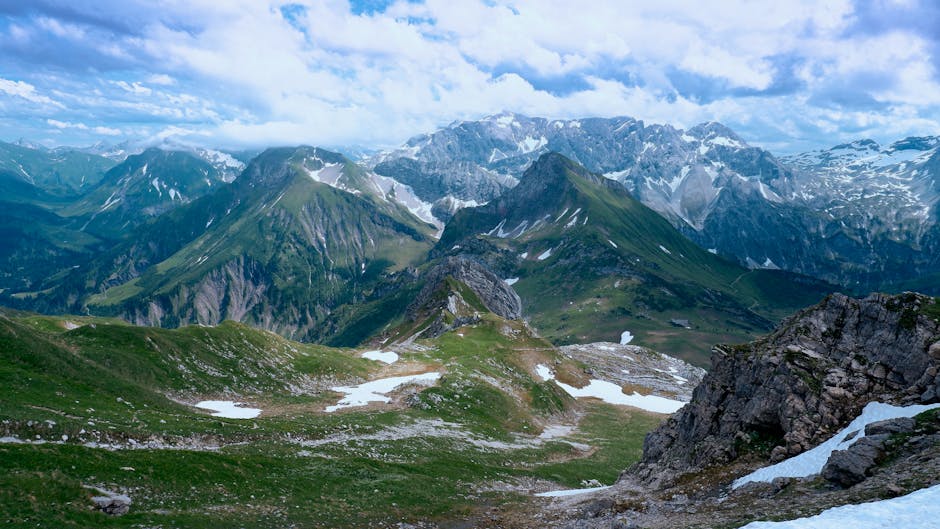
Austria’s diverse geography means you can go from vineyard-covered hills to glacial valleys in just a few hours. The country is renowned for its alpine scenery, but its lowland regions also offer rolling meadows, crystal-clear lakes, and charming villages. Here are the most visually stunning places to include in your itinerary.
The Austrian Alps: Majestic Peaks and Panoramic Trails
The Alps dominate western and southern Austria, offering world-class hiking, skiing, and photography opportunities. The Hohe Tauern National Park, home to Austria’s highest peak, Grossglockner (3,798 meters), features glacial valleys, waterfalls, and rare wildlife. For panoramic views without the strenuous climb, the Grossglockner High Alpine Road is a scenic drive that winds through dramatic landscapes, with multiple viewpoints and short walking paths.
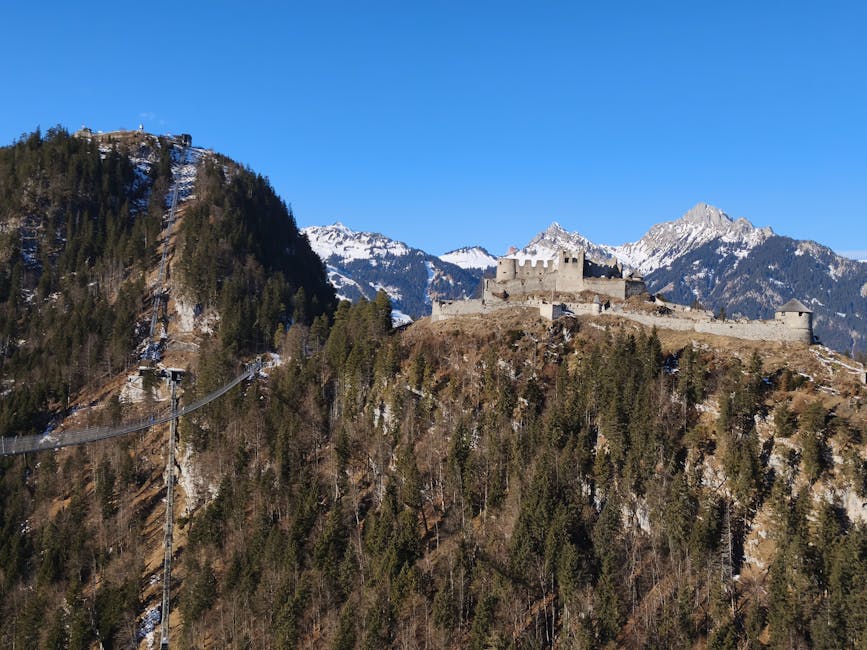
In winter, resorts like St. Anton am Arlberg and Kitzbühel attract skiers with reliable snow and well-maintained slopes. Summer transforms these areas into hiking and mountain biking hubs, with trails ranging from gentle lakeside walks to challenging summit climbs.
Hallstatt and the Salzkammergut Region
Often called the “Pearl of Austria,” Hallstatt is a UNESCO World Heritage village perched on the edge of a glacial lake. Its pastel-colored houses, cobblestone streets, and backdrop of steep mountains create one of the most photographed scenes in Europe. Visit early in the morning or late in the evening to avoid crowds and capture the best light.
The broader Salzkammergut region includes other lakeside towns like St. Wolfgang and Gmunden, each offering boat rides, salt mine tours, and access to hiking trails. The region’s history as a summer retreat for Habsburg royalty adds a layer of cultural richness to its natural beauty.
Wachau Valley: Vineyards and River Views
Located along the Danube River between Melk and Krems, the Wachau Valley is a UNESCO-listed landscape of terraced vineyards, medieval castles, and picturesque villages. A river cruise or bike ride along the Danube Cycle Path offers uninterrupted views of the river winding through lush hills. Stop in Dürnstein, known for its blue-and-white church and ruins of a castle where Richard the Lionheart was once imprisoned.
The valley is also a center of Austrian wine production, particularly Grüner Veltliner and Riesling. Many wineries offer tastings and tours, often with terrace views overlooking the river.
Must-Visit Cities and Cultural Attractions
While Austria’s natural scenery is a major draw, its cities are equally compelling, blending imperial grandeur with modern vibrancy. Each major city offers distinct experiences, from classical music to contemporary art.
Vienna: Imperial Splendor and Urban Elegance
As the former capital of the Habsburg Empire, Vienna is rich in palaces, museums, and coffeehouse culture. The Hofburg Palace complex houses the Imperial Apartments, Sisi Museum, and Silver Collection, offering insight into royal life. Schönbrunn Palace, a UNESCO site, features opulent rooms and expansive gardens perfect for a leisurely stroll.
For music lovers, attending a performance at the Vienna State Opera or a concert at the Musikverein is a highlight. The city also has a thriving food scene, with markets like Naschmarkt offering regional specialties such as schnitzel, strudel, and local cheeses.
Salzburg: Birthplace of Mozart and Festival City
Nestled beneath the Festungsberg mountain, Salzburg is known for its well-preserved Baroque architecture and musical heritage. The Hohensalzburg Fortress dominates the skyline and offers panoramic views of the city and surrounding Alps. The narrow streets of the Old Town (Altstadt) are filled with cafes, boutiques, and landmarks like Mozart’s Birthplace.
Each summer, the Salzburg Festival transforms the city into a global stage for classical music and theater. Even outside the festival season, open-air concerts and guided tours keep the musical spirit alive.
Innsbruck: Alpine Charm and Winter Sports Hub
Surrounded by the Nordkette mountain range, Innsbruck combines urban energy with alpine access. The Golden Roof (Goldenes Dachl), a 15th-century balcony adorned with gilded copper tiles, is the city’s most iconic landmark. The nearby Nordkette Cable Car takes visitors up to 2,300 meters for hiking in summer and skiing in winter.
Innsbruck has hosted the Winter Olympics twice and remains a center for winter sports. Its compact size makes it easy to explore on foot, with plenty of mountain-view cafes and traditional Tyrolean restaurants.
Practical Tips for Traveling in Austria
Austria is well-organized and traveler-friendly, but a few practical considerations can enhance your experience.
Transportation: Efficient and Scenic
Austria has an excellent public transportation system. Trains operated by ÖBB connect major cities and towns with frequent, punctual service. The Railjet trains offer high-speed routes between Vienna, Salzburg, and Innsbruck, often with large windows for enjoying the scenery.
For flexibility, consider renting a car, especially if visiting rural areas or planning scenic drives like the Grossglockner High Alpine Road. Note that vignettes (toll stickers) are required for using Austrian highways and can be purchased at gas stations or online.
Best Time to Visit
The ideal time depends on your interests. Summer (June to August) offers warm weather, long days, and full access to hiking trails and outdoor attractions. This is also peak tourist season, so book accommodations early.
Winter (December to March) is perfect for skiing and Christmas markets, particularly in Vienna and Salzburg. Spring and fall provide milder weather and fewer crowds, with spring bringing blooming alpine meadows and fall offering golden foliage in the countryside.
Language and Etiquette
German is the official language, but English is widely spoken in tourist areas. Learning a few basic phrases like “Guten Tag” (Good day) and “Danke” (Thank you) is appreciated. Austrians value punctuality and polite behavior—arriving on time and greeting shopkeepers are small gestures that go a long way.
Comparing Austria’s Top Scenic Regions
Choosing where to go in Austria can be challenging given the variety of landscapes. The table below compares four key regions based on scenery, activities, and best visit time.
| Region | Scenery | Top Activities | Best Time to Visit |
|---|---|---|---|
| Tyrol (Alps) | High peaks, glaciers, alpine meadows | Skiing, hiking, mountain biking | Dec–Mar (winter), Jun–Sep (summer) |
| Salzkammergut | Glacial lakes, forested hills, villages | Boat tours, salt mine tours, photography | May–Oct |
| Wachau Valley | Vineyards, river views, castles | Wine tasting, cycling, river cruises | Apr–Oct |
| Vienna | Urban parks, historic architecture | Palace tours, museums, concerts | Apr–Jun, Sep–Oct |
Hidden Gems and Lesser-Known Attractions
While iconic sites draw crowds, Austria has many under-the-radar spots worth exploring. The Gesäuse National Park in Styria offers rugged limestone formations and wild rivers, ideal for hiking and rafting. The city of Graz, Austria’s second-largest, blends Renaissance architecture with modern design, including the futuristic Kunsthaus Graz museum.
In the south, the Carinthia region features Lake Wörthersee, a popular summer destination for swimming and sailing, and the charming town of Villach. For a unique experience, visit the Eisriesenwelt Ice Cave near Werfen—the largest ice cave in the world, with guided tours available from May to October.
Final Tips for a Smooth Trip
- Book in advance: Popular attractions like Schönbrunn Palace and the Salzburg Festival sell out quickly during peak season.
- Use city tourism cards: Cards like the Vienna Pass or Salzburg Card offer free entry to museums and public transport.
- Pack layers: Mountain weather can change rapidly, even in summer. Bring a waterproof jacket and sturdy shoes.
- Respect nature: Stay on marked trails in national parks and avoid disturbing wildlife.
- Try local cuisine: Don’t miss regional dishes like Tiroler Gröstl (pan-fried potatoes with meat and egg) or Kaiserschmarrn (shredded pancake with fruit).
Austria’s blend of natural beauty, cultural depth, and efficient infrastructure makes it an ideal destination for first-time and repeat visitors alike. With careful planning, you can experience everything from alpine adventures to urban elegance—all within a compact and accessible country.
FAQ
What is the best way to travel between cities in Austria?
The train system operated by ÖBB is the most convenient and scenic option. High-speed Railjet trains connect major cities like Vienna, Salzburg, and Innsbruck in under three hours. Buses and rental cars are also available, but trains are often faster and more comfortable.
Is Austria expensive for tourists?
Austria is moderately priced compared to other Western European countries. While cities like Vienna and Salzburg can be costly, smaller towns and rural areas offer more affordable accommodations and dining. Traveling in shoulder seasons and using public transport can help reduce expenses.
Do I need a visa to visit Austria?
Citizens of the EU, US, Canada, Australia, and several other countries do not need a visa for stays up to 90 days within a 180-day period. Check the Austrian embassy website for the latest entry requirements based on your nationality.