
Best Places to Visit in Portugal for Coastal Travel
Portugal’s dramatic coastline stretches over 800 kilometers along the Atlantic Ocean, offering a diverse mix of golden beaches, rugged cliffs, historic towns, and vibrant seaside cities. Whether you’re seeking sun-drenched relaxation, surf-ready waves, or charming fishing villages, the best places to visit in Portugal for coastal travel deliver unforgettable experiences. From the Algarve’s iconic rock formations to the wild beauty of the Costa Vicentina, this guide highlights top coastal destinations that combine natural beauty with authentic Portuguese culture.
Why Coastal Travel in Portugal Stands Out
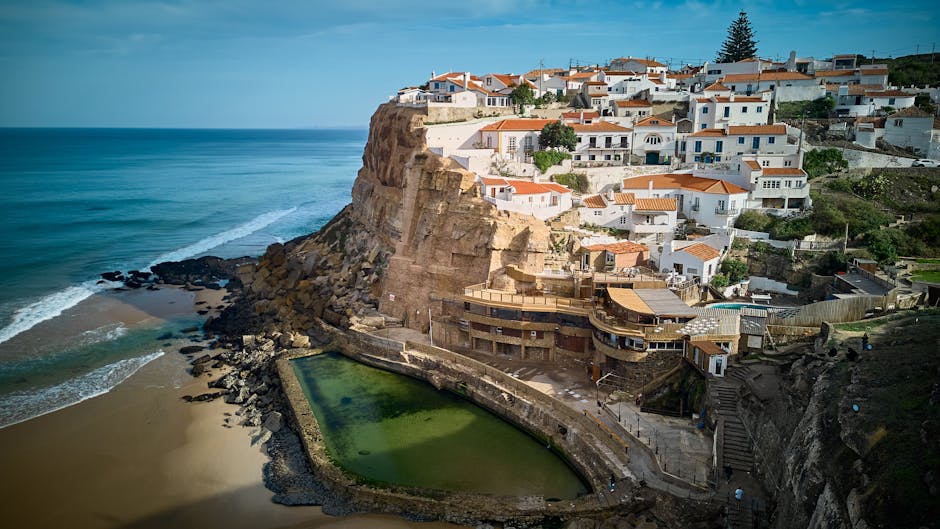
Portugal’s coastline is shaped by centuries of maritime tradition, diverse geography, and a mild Mediterranean climate that makes it a year-round destination. The country offers everything from family-friendly resorts to remote hiking trails along cliff tops. Unlike more commercialized European coasts, Portugal retains a strong sense of place—think whitewashed villages, fresh seafood markets, and quiet coves accessible only by foot or boat.
Travelers are drawn to its accessibility, safety, and value. Public transportation links major coastal towns, and many beaches are within easy reach of historic centers. The country also benefits from consistent Atlantic swells, making it a global surf destination, while its southern coast enjoys over 300 days of sunshine annually.
Top Coastal Destinations in Portugal
Algarve: Sun, Sea, and Iconic Landscapes
The Algarve is Portugal’s most famous coastal region, stretching across the southern tip of the country. It’s known for its golden cliffs, hidden sea caves, and luxury resorts. Towns like Lagos, Albufeira, and Faro serve as gateways to some of the country’s most photographed beaches.
Must-visit spots:
- Benagil Cave (Lagoa): Accessible by kayak or boat, this natural sea cave with a skylight is one of Portugal’s most iconic sights.
- Ponta da Piedade (Lagos): A network of sea stacks, tunnels, and grottos best explored on a guided boat tour.
- Falésia Beach: A 5-kilometer stretch of soft sand backed by dramatic red cliffs, ideal for swimming and sunbathing.
While the Algarve draws large crowds in summer, visiting in spring or early autumn offers pleasant weather and fewer tourists. Note that parking near popular beaches can be limited—arrive early or use public shuttles.
Costa Vicentina: Wild Beauty and Rugged Trails
Stretching along the southwest coast from Porto Covo to Sagres, the Costa Vicentina is part of the Southwest Alentejo and Vicentine Coast Natural Park. This protected area features unspoiled beaches, towering cliffs, and one of Europe’s finest coastal hiking routes—the Fishermen’s Trail (Trilho dos Pescadores).
Unlike the developed Algarve, this region appeals to travelers seeking solitude and natural scenery. Beaches like Odeceixe, Zambujeira do Mar, and Carrapateira offer excellent surfing conditions and are rarely overcrowded.
Tips for visiting:
- Hiking the Fishermen’s Trail requires good footwear and preparation—parts are exposed and can be windy.
- Accommodations are mostly guesthouses and rural homes; book in advance during peak season.
- Cell service can be spotty in remote areas—download maps offline.
Porto and the Northern Coast: Culture Meets the Sea
Portugal’s second-largest city, Porto, sits at the mouth of the Douro River where it meets the Atlantic. While not a beach destination per se, Porto offers easy access to coastal gems like Matosinhos and Foz do Douro, both popular with locals for fresh seafood and seaside walks.
Further north, the Minho region features green, rugged shores dotted with fishing villages and historic towns. Viana do Castelo, with its colorful riverside and nearby Praia do Cabedelo, blends maritime heritage with coastal charm.
This region is less touristy than the south, making it ideal for travelers who want to experience authentic Portuguese coastal life. Seafood here is exceptional—try the grilled sardines or arroz de marisco (seafood rice) at a local tasca.
Sintra and Cascais: Day Trips from Lisbon
Just west of Lisbon, the towns of Sintra and Cascais offer a mix of royal palaces, forested hills, and scenic coastline. Cascais, once a quiet fishing village, is now a chic resort town with palm-lined promenades, boutique shops, and easy access to several beaches.
Nearby Guincho Beach is famous for strong winds and powerful waves, making it a hotspot for windsurfing and kitesurfing. The surrounding dunes and pine forests provide a natural buffer from development.
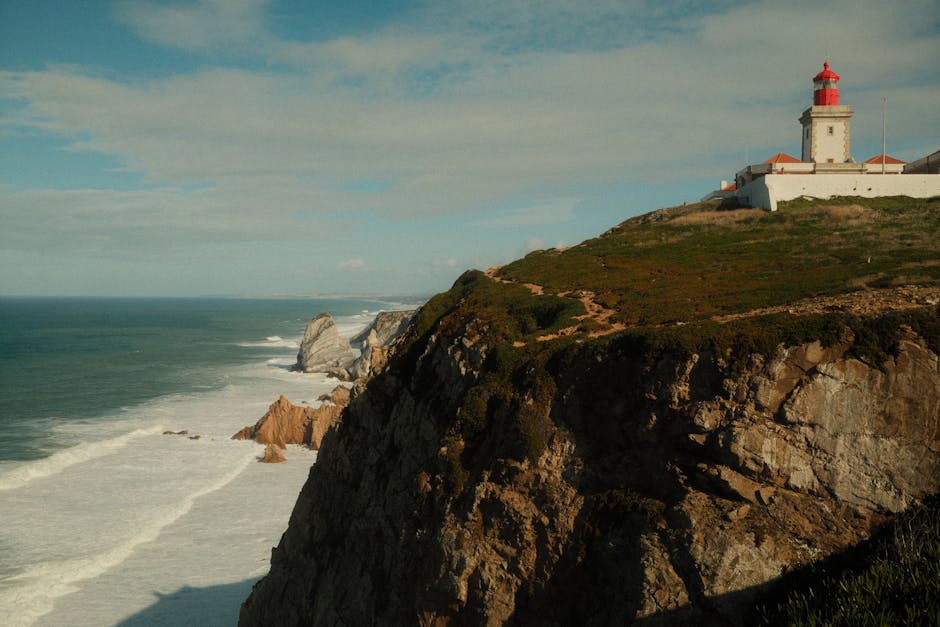
Sintra’s coastline is more dramatic, with cliffs plunging into the ocean near Cabo da Roca—the westernmost point of mainland Europe. A visit here pairs well with exploring Sintra’s UNESCO-listed palaces and gardens.
The Azores: Volcanic Islands and Untouched Shores
For a truly unique coastal experience, the Azores archipelago in the mid-Atlantic offers volcanic landscapes, crater lakes, and dramatic shorelines. Though not on the mainland, these nine islands are part of Portugal and accessible by direct flights from Lisbon and Porto.
São Miguel Island features hot springs, green cliffs, and secluded beaches like Mosteiros. On Pico Island, the UNESCO-protected vineyards climb right down to the sea, and the coastline offers excellent whale-watching opportunities.
The Azores are best suited for travelers with more time and a sense of adventure. Weather can be unpredictable—pack layers and waterproof gear.
How to Choose the Right Coastal Destination
With so many options, selecting the best coastal spot depends on your travel style and priorities. The table below compares key factors across five top regions.
| Region | Best For | Beach Type | Crowd Level | Accessibility |
|---|---|---|---|---|
| Algarve | Families, luxury stays, iconic sights | Golden sand, sea caves, cliffs | High (summer) | Excellent (airport, roads, tours) |
| Costa Vicentina | Hiking, surfing, solitude | Rugged, wild, rocky coves | Low to moderate | Good (car recommended) |
| Northern Coast (Porto/Minho) | Culture, food, authenticity | Pebble and sand, river mouths | Moderate | Very good (trains, buses) |
| Cascais & Sintra | Day trips, scenery, history | Mixed sand and rock, windy | High (weekends) | Excellent (train from Lisbon) |
| Azores | Adventure, nature, unique landscapes | Black sand, volcanic rock | Low | Moderate (flights required) |
Practical Tips for Coastal Travel in Portugal
To make the most of your trip, keep these recommendations in mind:
- Travel off-season: May–June and September–October offer warm weather, lower prices, and fewer crowds.
- Rent a car for flexibility: Public transport serves major towns, but remote beaches and trails are easier to reach by car.
- Respect the environment: Many coastal areas are protected. Stay on marked trails, avoid disturbing wildlife, and carry out all trash.
- Check surf and weather conditions: Atlantic swells can make swimming dangerous at exposed beaches. Look for lifeguard flags and ask locals for advice.
- Try local seafood: Grilled fish, cataplana (seafood stew), and fresh octopus are coastal staples. Eat where locals eat for the best experience.
Final Thoughts
Portugal’s coastline offers something for every type of traveler. Whether you’re drawn to the polished shores of the Algarve, the wild trails of the Costa Vicentina, or the volcanic beauty of the Azores, the best places to visit in Portugal for coastal travel combine natural splendor with rich cultural traditions. With thoughtful planning, you can enjoy pristine beaches, authentic cuisine, and unforgettable views—all without the crowds of more commercialized destinations.
FAQ
What is the best time of year for coastal travel in Portugal?
The ideal time is late spring (May–June) or early autumn (September–October), when the weather is warm, the sea is swimmable, and tourist numbers are lower than in peak summer.
Are Portugal’s beaches safe for swimming?
Most designated beaches with lifeguard services are safe, but always check warning flags and avoid swimming at unguarded or rocky shores, especially during strong surf.
Do I need a car to explore Portugal’s coastline?
A car offers the most flexibility, especially for reaching remote beaches and hiking trails. However, major coastal towns like Cascais, Porto, and Faro are well-connected by train and bus.