
Scotland Travel Guide with Highlands and Castles Guide
Planning a trip to Scotland? This Scotland travel guide with Highlands and castles guide covers essential destinations, practical tips, and must-see landmarks to help you make the most of your journey. From the rugged peaks of the Highlands to the storied walls of ancient castles, Scotland offers a compelling mix of natural beauty and historic charm. Whether you’re driving the North Coast 500, exploring Edinburgh’s Royal Mile, or hiking in Glencoe, this guide delivers clear, actionable advice for travelers seeking an authentic Scottish experience.
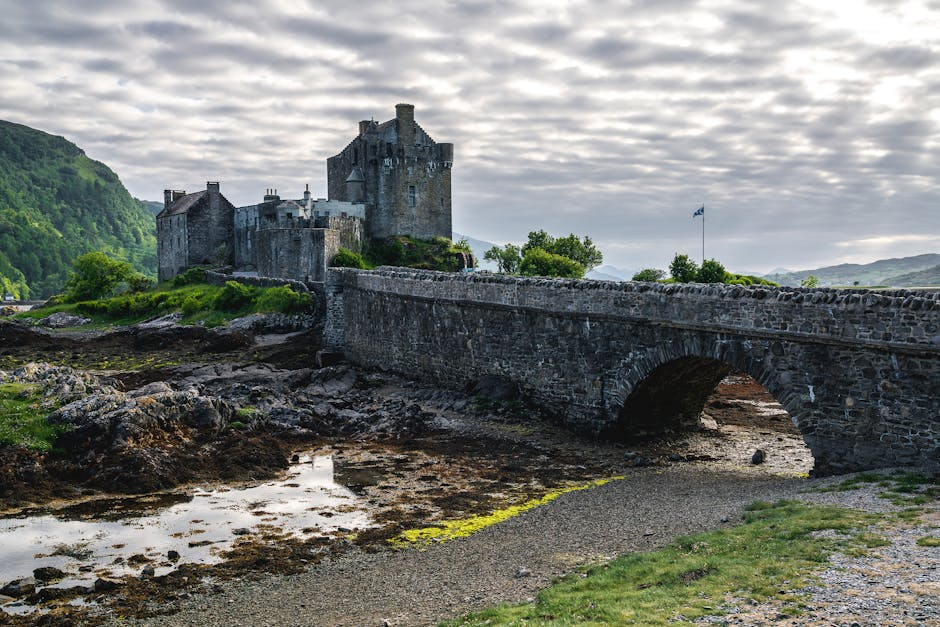
Why Visit Scotland’s Highlands and Historic Castles?
The Scottish Highlands are renowned for dramatic landscapes—rolling moors, deep glens, and mirror-like lochs. Paired with centuries-old castles that dot the countryside, the region offers a unique blend of outdoor adventure and cultural immersion. Iconic sites like Eilean Donan Castle and Urquhart Castle on Loch Ness provide not just photo opportunities but insights into Scotland’s clan history and medieval past. The Highlands also serve as a gateway to the Isle of Skye, Cairngorms National Park, and remote coastal villages that feel worlds away from city life.
Top Destinations in the Highlands
- Glencoe: A hauntingly beautiful valley known for its volcanic origins and tragic history. Ideal for hiking and photography.
- Loch Ness: Famous for its mythical monster, this deep freshwater loch is surrounded by forests and historic sites.
- Isle of Skye: Dramatic cliffs, fairy pools, and the Quiraing make this island a hiker’s paradise.
- Cairngorms National Park: Home to five of the UK’s six highest mountains and the largest outdoor activity hub in the country.
- Fort William: Known as the “Outdoor Capital of the UK,” it’s the base for climbing Ben Nevis and exploring Glen Nevis.
Exploring Scotland’s Most Impressive Castles
Scotland’s castles are more than stone ruins—they’re living museums that tell stories of war, royalty, and resilience. Many are open to the public, offering guided tours, exhibitions, and seasonal events. When visiting, check opening times and consider purchasing a Historic Scotland Explorer Pass for discounted entry to multiple sites.
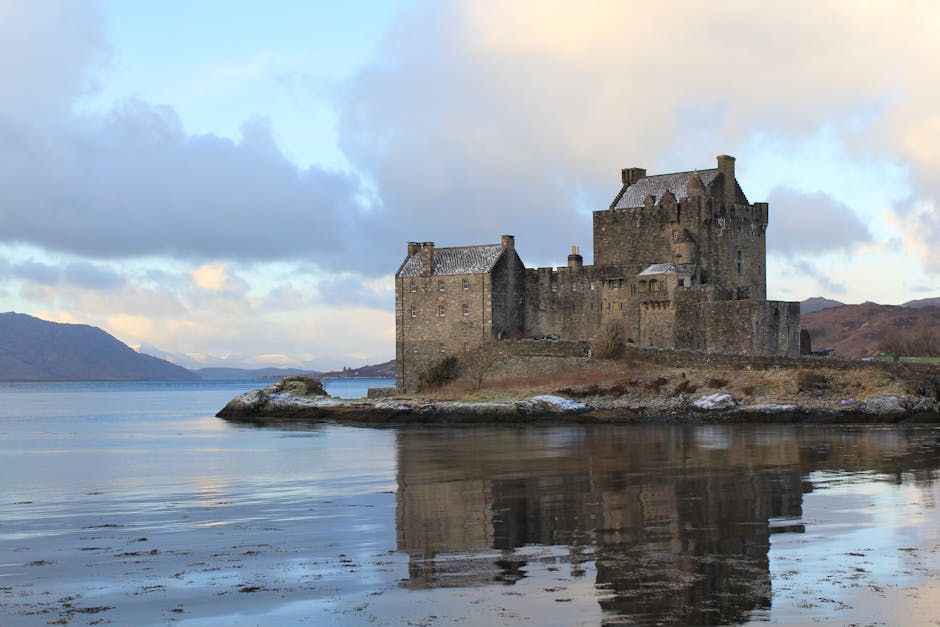
Must-Visit Castles in Scotland
- Edinburgh Castle: Perched atop Castle Rock, this fortress dominates the city skyline and houses the Crown Jewels of Scotland.
- Stirling Castle: A key site in Scotland’s fight for independence, with restored royal apartments and Renaissance architecture.
- Eilean Donan Castle: One of the most photographed castles in Scotland, located where three sea lochs meet.
- Dunnottar Castle: A cliff-top ruin near Stonehaven, once the hiding place of the Scottish Crown Jewels.
- Urquhart Castle: Overlooking Loch Ness, its ruins span 1,000 years of history and offer panoramic views.
Planning Your Itinerary: Practical Tips
A well-planned itinerary balances driving time, weather, and opening hours. The Highlands cover a vast area, so prioritize regions based on your interests and available time. A 7- to 10-day trip allows for a meaningful exploration of both the Highlands and key castles without feeling rushed.
Recommended 7-Day Itinerary
- Day 1–2: Edinburgh – Explore the Old Town, visit Edinburgh Castle, and walk the Royal Mile.
- Day 3: Stirling & Doune – Tour Stirling Castle and the nearby Doune Castle (famous for Monty Python and Outlander).
- Day 4–5: Highlands Road Trip – Drive to Glencoe, then on to Fort William and Loch Ness. Stop at Urquhart Castle.
- Day 6: Isle of Skye – Take a day trip or overnight stay to see the Old Man of Storr and Eilean Donan.
- Day 7: Return via Inverness – Visit Inverness Castle and the Culloden Battlefield before heading back to Edinburgh or Glasgow.
Travel Essentials and What to Pack
Scotland’s weather is famously unpredictable. Even in summer, temperatures rarely exceed 20°C (68°F), and rain is common year-round. Pack layers, a waterproof jacket, sturdy walking shoes, and a compact umbrella. If you’re visiting between October and March, daylight hours are short—plan activities accordingly.
Important Travel Tips
- Book accommodations early, especially in peak season (June–August) and on the Isle of Skye.
- Rent a car for flexibility, but be prepared for narrow, winding roads in rural areas.
- Check castle accessibility—some historic sites have limited access for visitors with mobility needs.
- Respect local customs: Many Highland communities are Gaelic-speaking; a simple “tapadh leat” (thank you) goes a long way.
- Avoid off-trail hiking in remote areas due to unstable terrain and potential for sudden weather changes.
Castle and Highland Experience Comparison
Not all castle visits or Highland experiences are the same. Some offer immersive history, while others prioritize scenery. The table below compares key factors to help you choose what suits your travel style.
| Destination | Best For | Accessibility | Visitor Facilities |
|---|---|---|---|
| Edinburgh Castle | History, city views | High (city center) | Gift shop, café, audio guides |
| Eilean Donan Castle | Photography, scenery | Medium (remote, seasonal access) | Museum, café, limited parking |
| Glencoe | Hiking, nature | Medium (mountain roads) | Visitor center, trails, no food on-site |
| Urquhart Castle | Loch views, ruins | High (main road access) | Exhibition, shop, café |
Final Thoughts on Your Scotland Adventure
A Scotland travel guide with Highlands and castles guide wouldn’t be complete without emphasizing the importance of pacing and preparation. The country rewards slow, thoughtful exploration—whether you’re tracing the footsteps of clans at Culloden, marveling at the engineering of a 13th-century keep, or simply sipping whisky by a peat fire in a Highland inn. With its mix of wild landscapes and rich heritage, Scotland offers an unforgettable journey for every kind of traveler.
FAQ
What is the best time of year to visit the Scottish Highlands?
The best time is late spring to early autumn (May to September), when days are longer, weather is milder, and most attractions are open. Winter visits offer solitude and snowy landscapes but limited access to some sites.
Do I need a car to explore the Highlands and castles?
While trains and buses serve major towns like Inverness and Fort William, a car is strongly recommended for reaching remote castles, lochs, and hiking trails. Public transport is limited in rural areas.
Are Scottish castles safe to visit with children?
Yes, most castles are family-friendly with interactive exhibits and open spaces. However, some have steep stairs, uneven floors, or high walls—supervise children closely, especially at cliff-top sites like Dunnottar.