
Best Places to Visit in Denmark for First-Time Visitors
Denmark offers first-time visitors a compelling mix of historic charm, modern design, and natural beauty. From the vibrant streets of Copenhagen to the serene coastlines of the Danish Riviera, the country delivers a well-rounded travel experience. The best places to visit in Denmark for first-time visitors include iconic cities, UNESCO World Heritage sites, and scenic islands—each offering unique cultural and recreational opportunities. Whether you’re drawn to royal palaces, innovative architecture, or hygge-inspired cafes, Denmark’s compact size and efficient transit make it easy to explore multiple destinations in a single trip.
Top Destinations for First-Time Travelers
Denmark may be small, but its appeal is vast. For newcomers, focusing on a few key regions ensures a rich and manageable itinerary. Copenhagen, the capital, is the obvious starting point. Beyond that, cities like Aarhus and Odense offer authentic Danish culture with fewer crowds. Coastal towns such as Helsingør and Skagen provide scenic escapes, while Bornholm delivers a distinct Baltic island vibe. Each destination presents a different facet of Danish life—urban sophistication, maritime history, and rural tranquility.
Copenhagen: The Cultural Heart of Denmark
Copenhagen consistently ranks among Europe’s most livable cities, and for good reason. It blends historical landmarks with cutting-edge sustainability and design. First-time visitors should prioritize Nyhavn, the colorful waterfront district lined with 17th-century townhouses and sailing ships. It’s a postcard-perfect spot ideal for photos and canal tours.
The city’s royal heritage is on full display at Amalienborg Palace, the winter home of the Danish royal family. Visitors can witness the changing of the guard at noon, a tradition dating back centuries. Nearby, the Rosenborg Castle houses the crown jewels and offers insight into royal life during the Renaissance.
For modern architecture, the Opera House on Holmen and the striking Black Diamond extension of the Royal Library showcase Denmark’s commitment to innovative design. Don’t miss the Tivoli Gardens, one of the world’s oldest amusement parks, which combines vintage charm with contemporary entertainment.
Copenhagen is also a culinary hotspot. The city boasts more Michelin-starred restaurants per capita than most European capitals. Even casual diners can enjoy smørrebrød (open-faced sandwiches) at local cafes or sample New Nordic cuisine at food halls like Reffen.
Aarhus: Denmark’s Rising Cultural Hub
Aarhus, Denmark’s second-largest city, is often overlooked by first-time visitors—but it shouldn’t be. Located on the Jutland peninsula, Aarhus blends youthful energy with historical depth. The city is home to a large student population, giving it a dynamic arts and music scene.
The ARoS Art Museum is a must-visit. Its iconic rainbow panorama walkway offers 360-degree views of the city, while the museum’s collection spans from Danish Golden Age paintings to contemporary installations. Just a short walk away, the Den Gamle By (The Old Town) is an open-air museum showcasing life in Denmark from the 16th to the 20th century. Visitors can stroll through reconstructed homes, shops, and schools, interacting with costumed interpreters.
Aarhus is also known for its green spaces. The Marselisborg Forests and the nearby beaches along the Bay of Aarhus provide peaceful retreats. The city’s harborfront has been revitalized with modern apartments, restaurants, and public art, making it a pleasant area for an evening walk.
Odense: The Hometown of Hans Christian Andersen
Odense, on the island of Funen, is best known as the birthplace of Hans Christian Andersen, author of timeless fairy tales like The Little Mermaid and The Ugly Duckling. The Hans Christian Andersen Museum offers an immersive look into his life and works, with interactive exhibits and original manuscripts.
The city’s old quarter, with its cobblestone streets and half-timbered houses, feels like stepping into one of Andersen’s stories. The Odense River winds through the city, and a leisurely boat tour provides a unique perspective of the historic center.
Families will appreciate the Egeskov Castle, located just outside Odense. This well-preserved Renaissance water castle features elaborate gardens, a vintage car collection, and a maze. It’s one of the most visited castles in Denmark and a highlight for travelers with children.
Helsingør: Hamlet’s Castle and Maritime History
Just a 45-minute train ride north of Copenhagen, Helsingør (Elsinore) is a compact town with outsized historical significance. Its crown jewel is Kronborg Castle, a UNESCO World Heritage site and the setting of Shakespeare’s Hamlet. The castle’s dramatic architecture and strategic location at the narrowest point of the Øresund Strait made it a key fortress for centuries.
Visitors can explore the castle’s grand halls, dungeons, and reenactments of royal life. The underground casemates, once used to house soldiers, now host exhibitions on naval history. The nearby Maritime Museum of Denmark, housed in a striking underground building, offers interactive exhibits on seafaring and global trade.
Helsingør’s harbor is also a gateway to Sweden. Ferries to Helsingborg depart every 15–20 minutes, making it easy to cross the Øresund Strait and explore southern Sweden as a day trip.
Skagen: Where the Seas Meet
At the northern tip of Denmark, Skagen is where the North Sea and the Baltic Sea converge. This remote town has long attracted artists, drawn by its dramatic light and expansive skies. The Skagen Painters, a group of 19th-century artists, captured the region’s unique atmosphere in their works.
Visitors come for the natural beauty: wide sandy beaches, dunes, and the iconic Grenen promontory. Walking to the tip of Grenen, you can literally stand with one foot in each sea. The Skagen Museum displays many of the original paintings, providing context for the landscapes.
The town itself retains a charming, laid-back vibe. Whitewashed houses with red roofs line the streets, and seafood restaurants serve fresh catches like plaice and mussels. Summer is the busiest season, but even in winter, Skagen offers a peaceful retreat with crisp air and fewer tourists.
Bornholm: Denmark’s Baltic Island Escape
Bornholm, located in the Baltic Sea between Sweden and Poland, feels like a different country. Its rocky coastline, round churches, and artisan communities set it apart from mainland Denmark. The island is accessible by ferry from Copenhagen or Ystad (Sweden), with crossings taking about three hours.
The town of Gudhjem is known for its smoked herring (røget ål), best enjoyed at local smokehouses overlooking the harbor. The nearby Hammeren Peninsula offers hiking trails with panoramic views of the sea and the iconic Hammeren Lighthouse.
Bornholm is also a center for glassblowing and pottery. Workshops in Nexø and Svaneke allow visitors to watch artisans at work and purchase handmade souvenirs. The island’s slow pace and natural beauty make it ideal for travelers seeking relaxation and authenticity.
Getting Around Denmark: Practical Tips
Denmark’s public transportation system is efficient, clean, and reliable. Trains connect major cities and towns, with frequent departures and comfortable seating. The DSB app allows easy booking and real-time updates. Regional buses cover smaller destinations, and local transit in cities like Copenhagen includes metro, buses, and harbor buses.
For flexibility, renting a car is a good option—especially for exploring rural areas like Skagen or Bornholm. However, driving in Copenhagen can be challenging due to congestion and limited parking. Biking is another excellent way to get around; Denmark has an extensive network of bike lanes, and many cities offer bike-sharing programs.
Most Danes speak excellent English, so communication is rarely an issue. Tipping is not expected but appreciated for exceptional service. Credit cards are widely accepted, even for small purchases.
When to Visit Denmark
The best time to visit Denmark depends on your preferences. Summer (June to August) offers long days, mild temperatures, and numerous festivals. It’s peak tourist season, so expect higher prices and larger crowds, especially in Copenhagen and at coastal destinations.
Spring (April to May) and early autumn (September) provide a balance of pleasant weather and fewer tourists. These shoulder seasons are ideal for sightseeing and outdoor activities without the summer rush.
Winter (December to February) is cold and dark, but it’s a magical time to experience Danish hygge—cozy cafes, Christmas markets, and candlelit interiors. If you enjoy winter sports, cross-country skiing is possible in some regions, though snowfall is not guaranteed.
What to Pack and What to Expect
Denmark’s weather is unpredictable, so layering is key. Even in summer, a light jacket is advisable for cooler evenings or windy coastal areas. Comfortable walking shoes are essential, as many attractions are best explored on foot.
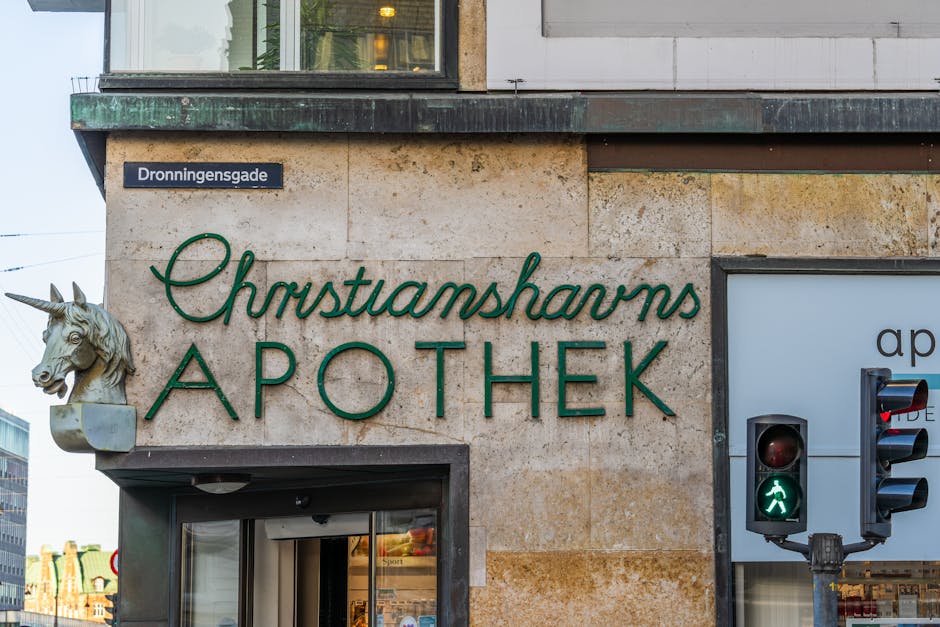
Pack a reusable water bottle—tap water is safe and high-quality. Public restrooms are generally clean and available, though some may charge a small fee. Pharmacies (apotek) are well-stocked, but it’s wise to bring any prescription medications with you.
Denmark is one of the world’s most expensive countries. Budget travelers should consider staying in hostels or vacation rentals, cooking some meals, and using public transit. Many museums offer free admission on certain days or with city passes like the Copenhagen Card.
Compact Comparison of Top Destinations
| Destination | Best For | Travel Time from Copenhagen | Must-See Attraction |
|---|---|---|---|
| Copenhagen | Culture, dining, nightlife | — | Tivoli Gardens |
| Aarhus | Art, history, local vibe | 3 hours by train | ARoS Art Museum |
| Odense | Literature, family fun | 1.5 hours by train | Hans Christian Andersen Museum |
| Helsingør | History, day trips | 45 minutes by train | Kronborg Castle |
| Skagen | Nature, photography | 5 hours by train + bus | Grenen promontory |
| Bornholm | Isolation, crafts, seafood | 3-hour ferry | Hammeren Lighthouse |
Final Thoughts
Denmark offers a diverse and accessible travel experience for first-time visitors. The best places to visit in Denmark for first-time visitors combine historical depth, natural beauty, and modern innovation. Whether you’re exploring royal palaces in Copenhagen, hiking coastal trails in Skagen, or savoring smoked herring in Bornholm, the country rewards curiosity and slow exploration. With efficient transit, English-friendly locals, and a strong emphasis on quality of life, Denmark is an ideal introduction to Scandinavia.
FAQ
Do I need a visa to visit Denmark?
Citizens of the EU, US, Canada, Australia, and many other countries can enter Denmark for short stays (up to 90 days) without a visa. Check the Danish Immigration Service website for the latest requirements based on your nationality.
Is Denmark safe for tourists?
Yes, Denmark is considered one of the safest countries in the world. Crime rates are low, and public spaces are generally secure. As with any destination, remain aware of your surroundings, especially in crowded tourist areas.
Can I use US dollars in Denmark?
No, Denmark uses the Danish krone (DKK). While some tourist shops may accept euros, it’s best to use kroner for transactions. Credit and debit cards are widely accepted, and ATMs are readily available.