Croatia Travel Guide with Beaches and Island Adventures
Croatia’s stunning Adriatic coastline, dotted with over a thousand islands and some of Europe’s clearest waters, makes it a top destination for travelers seeking sun, sea, and scenic charm. This Croatia travel guide with beaches and island adventures covers the best coastal towns, hidden coves, island-hopping routes, and practical tips to help you plan a seamless trip. Whether you’re after quiet pebble beaches, lively waterfront bars, or kayaking through hidden sea caves, Croatia delivers unforgettable experiences along its 1,800-kilometer shoreline.
Why Visit Croatia for Beaches and Island Adventures
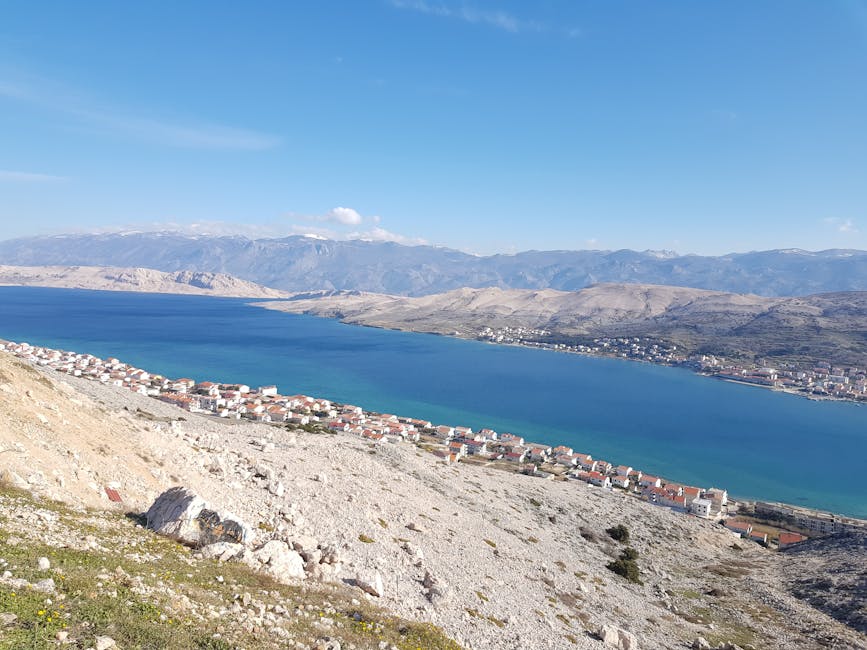
Croatia isn’t just about historic cities—though Dubrovnik and Split are undeniably impressive. Its real magic lies in the rhythm of island life, where time slows down and every sunset feels like a private show. The country’s coastline features a mix of rocky shores, pebble beaches, and rare sandy stretches, all framed by pine forests and turquoise water. With ferry connections, private boat charters, and organized tours widely available, island-hopping is both accessible and affordable.
From the lavender fields of Hvar to the dramatic cliffs of Vis, each island offers a distinct character. National parks like Mljet and Krka add natural depth, while coastal towns like Zadar and Šibenik blend Roman ruins with modern beach culture. Whether you’re a solo traveler, couple, or family, Croatia’s diversity ensures there’s something for every pace and preference.
Top Beaches in Croatia
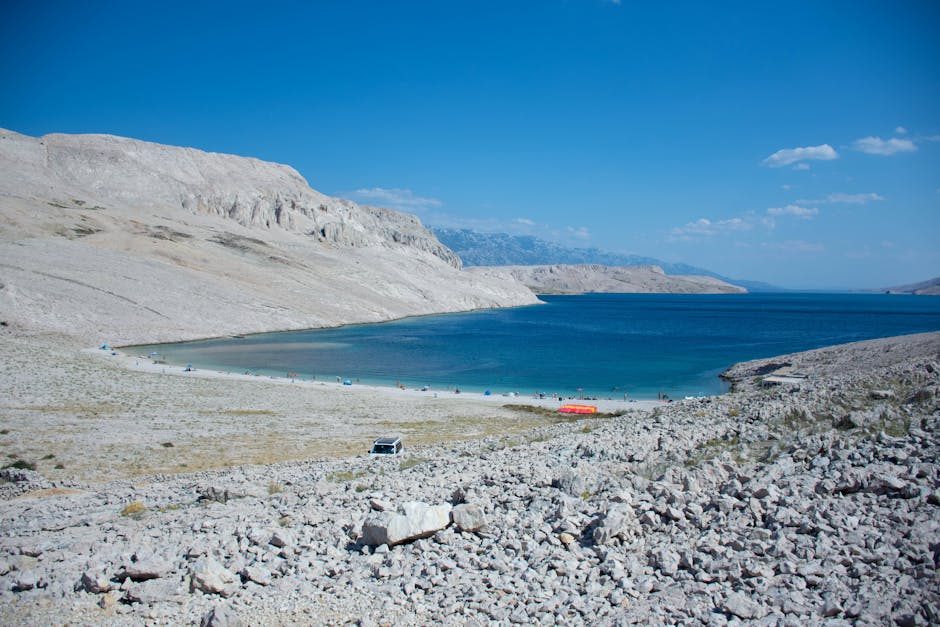
Croatia’s beaches vary widely, from organized resort strips to secluded bays reachable only by foot or boat. Most are pebble-based, which keeps water clearer and cooler than sand, though a few sandy beaches cater to families.
- Banje Beach (Dubrovnik): A pebble beach with stunning views of Dubrovnik’s ancient walls. Popular with locals and tourists alike, it’s easily accessible from the old town and offers sunbeds, showers, and nearby restaurants.
- Sakarun Beach (Dugi Otok): One of the few sandy beaches in Croatia, Sakarun is ideal for families. Its shallow, calm waters and white sand make it feel more Mediterranean than Adriatic.
- Stiniva Beach (Vis): Once voted Europe’s best beach, Stiniva is a narrow cove protected by towering cliffs. Access is via a short hike or boat, adding to its secluded charm.
- Zlatni Rat (Brač): Also known as the Golden Horn, this iconic spit of land shifts shape with the wind and tides. A hotspot for windsurfers and kitesurfers, it’s surrounded by pine trees and crystal-clear water.
- Punta Rata (Brela): Consistently ranked among Croatia’s top beaches, Punta Rata features smooth pebbles, shaded areas, and a backdrop of the Biokovo mountains.
Best Islands to Visit in Croatia
With over 1,200 islands, islets, and reefs, choosing where to go can be overwhelming. These five islands stand out for their scenery, accessibility, and unique offerings.
Hvar
Known for its vibrant nightlife and historic architecture, Hvar is a favorite among yachting crowds and luxury travelers. The town of Hvar boasts a 16th-century fortress, lavender-scented hills, and waterfront cafes. For a quieter experience, head to the village of Jelsa or the Pakleni Islands just offshore—perfect for swimming and snorkeling.
Vis
Once closed to foreigners due to its military base, Vis remains one of Croatia’s most unspoiled islands. Its remote location means fewer crowds and a strong focus on local culture. Visit the Blue Cave on the nearby islet of Biševo, explore ancient Roman villas, or enjoy fresh seafood at Konoba Varoš, a family-run restaurant in the village of Komiža.
Mljet
More than half of Mljet is protected as a national park, making it ideal for nature lovers. Rent a bike or kayak to explore its two saltwater lakes, dense forests, and small fishing villages. The island has no major nightlife, which appeals to travelers seeking peace and quiet.
Brač
Famous for its white stone—used in the construction of Diocletian’s Palace in Split—Brač combines natural beauty with cultural heritage. Beyond Zlatni Rat, the island offers olive groves, vineyards, and quiet coves like Lovreća Bay.
Korčula
Often called “Little Dubrovnik,” Korčula’s medieval walled town is built on a peninsula and linked by a narrow channel. Legend says Marco Polo was born here. The island is greener than its neighbors, with quiet beaches, family-run wineries, and excellent cycling routes.
How to Island-Hop in Croatia
Island-hopping is one of the best ways to experience Croatia’s coastal diversity. Ferries and catamarans operated by companies like Jadrolinija and Krilo connect major islands and mainland ports. During peak season (June to September), services are frequent, but booking in advance is recommended.
For more flexibility, consider renting a motorboat or joining a small-group sailing tour. These options allow you to visit smaller, less accessible islands and anchor in secluded bays. Always check weather conditions and fuel availability, especially on remote islands.
Here’s a quick comparison of common island-hopping options:
| Option | Best For | Cost (Approx.) | Flexibility |
|---|---|---|---|
| Public Ferry | Budget travelers, fixed itineraries | €5–€20 per leg | Low |
| High-Speed Catamaran | Time-efficient travel between islands | €15–€35 per leg | Medium |
| Private Boat Rental | Groups, custom routes, privacy | €150–€400/day | High |
| Organized Sailing Tour | First-time visitors, all-inclusive experience | €500–€1,200/week | Medium |
Essential Tips for a Smooth Trip
- Travel off-peak if possible: July and August are busiest and most expensive. May, June, and September offer pleasant weather, fewer crowds, and lower prices.
- Pack smart: Bring water shoes for rocky beaches, reef-safe sunscreen, and a lightweight cover-up for visiting churches or towns.
- Stay hydrated: Tap water is safe to drink throughout Croatia, so refill bottles to save money and reduce plastic waste.
- Respect local customs: While beachwear is fine on the coast, cover shoulders and knees when visiting religious sites or inland villages.
- Book accommodations early: Popular islands like Hvar and Brač fill up quickly. Consider staying in nearby villages for better value and authenticity.
Hidden Gems and Local Favorites
Beyond the well-known spots, Croatia hides quieter alternatives that reward curious travelers. Try the village of Stari Grad on Hvar for its slow pace and ancient Greek grid layout. On Pag, sample world-class sheep cheese and lace-making traditions in the town of Pag. For a truly off-grid experience, visit the uninhabited island of Prvić near Krk—reachable by a 15-minute boat ride and ideal for a peaceful picnic.
Coastal towns like Trogir and Makarska offer excellent bases for day trips. Trogir’s UNESCO-listed old town is a maze of narrow streets and Romanesque churches, while Makarska’s beachfront promenade buzzes with cafes and live music in the evenings.
What to Eat and Drink
Croatian coastal cuisine emphasizes fresh seafood, olive oil, and local produce. Don’t miss brudet (fish stew), gregada (a Dalmatian fish soup), or peka (meat and vegetables slow-cooked under a bell-like lid). Pair your meal with a glass of Plavac Mali red wine or a crisp Pošip white.
For a quick snack, try burek (savory pastry) or fritule (small fried dough balls dusted with sugar)—best enjoyed with coffee in a seaside konoba (tavern).
Getting Around the Coastline
Renting a car is useful for exploring mainland destinations like Dubrovnik, Split, or Plitvice Lakes, but unnecessary on most islands. Public buses connect major towns, and taxis are widely available. In cities like Dubrovnik, walking is often the best way to get around the compact old towns.
For intercity travel, trains are limited, but buses are reliable and comfortable. The journey from Zagreb to Split takes about 6–7 hours and offers scenic views of the Dinaric Alps.
Final Thoughts on Your Croatia Travel Guide with Beaches and Island Adventures
Croatia’s blend of natural beauty, historic charm, and relaxed coastal lifestyle makes it a standout destination in Europe. Whether you’re lounging on a secluded beach, kayaking around an island, or sipping wine as the sun sets over the Adriatic, the country offers a rhythm of travel that feels both invigorating and restorative. With thoughtful planning and an openness to local experiences, your trip can be as adventurous or as laid-back as you desire.
FAQ
What is the best time to visit Croatia for beaches and island adventures?
The ideal time is late May to early September, when weather is warm and ferry services are frequent. July and August are peak months but also the busiest and most expensive.
Do I need a car to explore Croatia’s islands?
No. Most islands are best explored on foot, by bike, or using local buses. Ferries and boats handle inter-island travel, and car rentals are only useful on larger islands like Krk or Pag.
Are Croatian beaches safe for swimming?
Yes. Water quality is generally excellent, and most beaches are monitored during summer. Always check local signage and avoid swimming near ferry lanes or after heavy rain.