Best Places to Visit in Slovenia for Nature Lovers
Slovenia is a hidden gem for nature lovers, offering dramatic alpine peaks, pristine lakes, ancient forests, and underground caves—all within a compact, accessible landscape. From the iconic Lake Bled to the wild beauty of Triglav National Park, the country delivers diverse natural experiences without the crowds of more famous European destinations. Whether you’re hiking, kayaking, or simply soaking in panoramic views, Slovenia’s protected landscapes and sustainable tourism practices make it one of Europe’s top eco-friendly travel spots. This guide highlights the best places to visit in Slovenia for nature lovers, with practical tips to help you plan your adventure.
Why Slovenia Is a Top Destination for Nature Enthusiasts
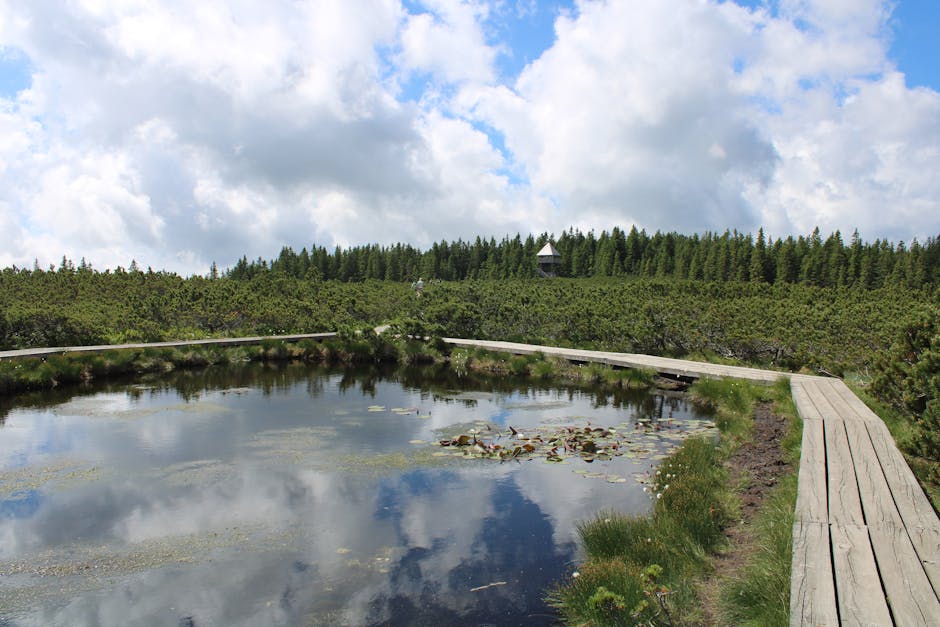
Despite its small size—about the size of New Jersey—Slovenia packs a powerful natural punch. Over 60% of the country is forested, and it ranks among the greenest nations in Europe. The Julian Alps rise sharply from the Adriatic coast, creating a varied terrain that supports everything from Mediterranean flora to alpine wildlife. Slovenia also has a strong commitment to conservation, with more than 35% of its land under some form of environmental protection.
Unlike many popular European destinations, Slovenia remains relatively uncrowded, even in peak season. This makes it ideal for travelers seeking tranquility and authentic encounters with nature. Public transportation is reliable, trails are well-marked, and many natural sites are free to access. Whether you’re a day hiker or a multi-day trekker, Slovenia offers accessible adventures for all skill levels.
Top Natural Attractions in Slovenia
1. Triglav National Park
As Slovenia’s only national park, Triglav is the heart of the country’s alpine wilderness. Named after the nation’s highest peak (2,864 meters), the park spans over 880 square kilometers of rugged mountains, glacial valleys, and crystal-clear rivers. It’s a haven for hikers, climbers, and wildlife watchers.
Popular trails include the route to Lake Jasna, a serene alpine lake perfect for a picnic, and the challenging climb to Mount Triglav’s summit. For a less strenuous option, the Soča River Trail follows one of Europe’s most beautiful rivers, with opportunities for swimming and kayaking. The park is also home to chamois, golden eagles, and the rare alpine salamander.
Tip: Visit in late spring or early autumn for mild weather and fewer crowds. Summer weekends can be busy on popular trails.
2. Lake Bled and Lake Bohinj
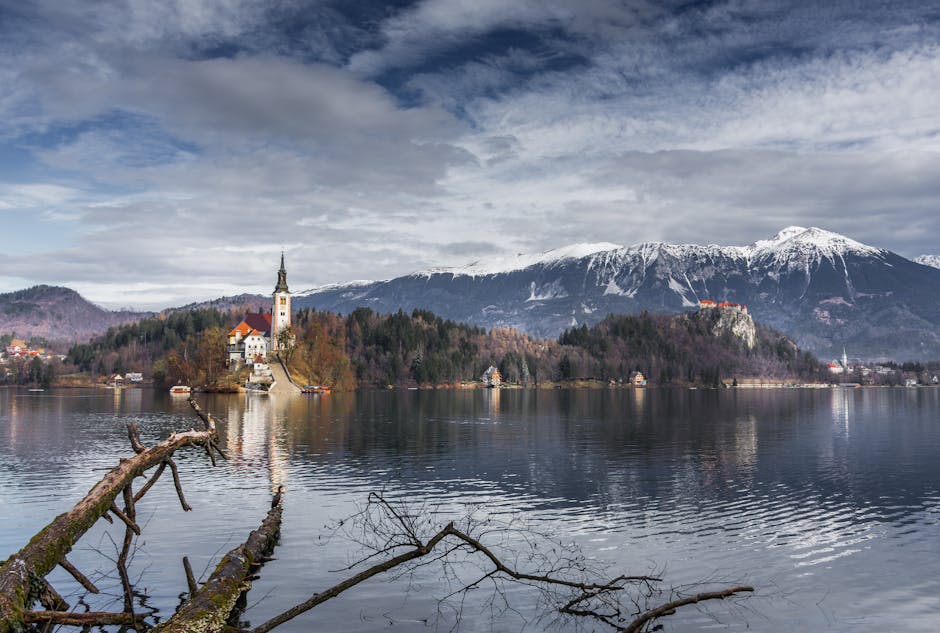
Lake Bled is Slovenia’s most photographed site, with its iconic island church and medieval castle perched on a cliff. While it draws visitors, the surrounding forests and walking paths offer peaceful escapes. Rent a rowboat to reach the island, or hike up to Ojstrica viewpoint for a stunning panorama.
Just 30 minutes away, Lake Bohinj is the quieter, wilder sibling of Bled. Fed by glacial waters from the Julian Alps, it’s deeper, clearer, and surrounded by dense woodland. The lake is ideal for swimming, paddleboarding, and fishing. The Vogel cable car offers a scenic ride up to the ski slopes in winter and hiking trails in summer.
Comparison:
| Feature | Lake Bled | Lake Bohinj |
|---|---|---|
| Accessibility | Easy, near major roads | Requires a short drive or bus |
| Crowds | High, especially in summer | Moderate, more peaceful |
| Activities | Boating, castle visit, dining | Swimming, hiking, wildlife |
| Natural Setting | Picturesque, tourist-friendly | Wild, unspoiled |
3. Postojna Cave and Škocjan Caves
Slovenia is home to over 10,000 caves, but two stand out for their scale and beauty. Postojna Cave is the country’s most visited cave system, featuring a 2-kilometer electric train ride through vast chambers filled with stalactites and stalagmites. It’s also home to the olm, a rare cave-dwelling salamander.
The Škocjan Caves, a UNESCO World Heritage Site, are less commercialized and more dramatic. The underground canyon of the Reka River is one of the largest in the world, with sections so large they could fit a cathedral. Guided tours emphasize geology and conservation, offering a more educational experience.
Note: Both caves maintain cool temperatures year-round (around 10°C), so bring a light jacket even in summer.
4. Vintgar Gorge
Located just 4 kilometers from Bled, Vintgar Gorge is a narrow, 1.6-kilometer canyon carved by the Radovna River. Wooden walkways line the path, offering safe and scenic access to waterfalls, pools, and rocky overhangs. The gorge is especially beautiful in autumn when the foliage turns golden.
The entrance fee is modest (around €10), and the site is well-maintained. Arrive early to avoid tour groups. The trail ends at a small hydroelectric plant, a reminder of the region’s historical use of water power.
5. Logar Valley
Often called Slovenia’s most beautiful valley, Logar Valley is a protected landscape area nestled between the Kamnik and Savinja Alps. It’s a paradise for hikers and photographers, with meadows, forests, and the Savinja River winding through the valley floor.
Highlights include the Rinka Waterfall, a 90-meter cascade that’s the source of the Savinja River, and the panoramic views from the Ojstrica and Planjava peaks. The valley has limited vehicle access, preserving its quiet charm. A small visitor center provides maps and information.
6. Krka River and Kozjak Waterfall
Flowing through the southeastern part of the country, the Krka River is known for its clear waters and lush surroundings. The Kozjak Waterfall, where the Krka plunges 15 meters into a emerald pool, is a favorite spot for swimming and photography.
The area is easily accessible from the town of Krka, with walking paths and picnic areas. Canoe rentals are available for exploring the river’s calm stretches. The region is also rich in cultural history, with nearby monasteries and Roman ruins.
Best Time to Visit Slovenia for Nature
The ideal time to visit depends on your preferred activities. Summer (June to August) offers warm weather and full access to hiking trails, but it’s also the busiest season. Spring (April to May) brings blooming wildflowers and flowing waterfalls, while autumn (September to October) features crisp air and golden landscapes with fewer tourists.
Winter is perfect for snowshoeing and cross-country skiing in the Alps, though some high-altitude trails may be closed. Always check trail conditions and weather forecasts before heading out, especially in mountainous areas.
Travel Tips for Nature Lovers
- Pack layers: Weather in the mountains can change quickly, even in summer.
- Use public transport: Trains and buses connect major natural sites, reducing the need for a car.
- Respect wildlife: Keep a safe distance from animals and avoid feeding them.
- Leave no trace: Carry out all trash and stay on marked trails to protect fragile ecosystems.
- Download offline maps: Some remote areas have limited cell service.
Conclusion
Slovenia offers an exceptional blend of natural beauty, accessibility, and environmental stewardship. Whether you’re exploring alpine lakes, hiking through ancient forests, or descending into underground caves, the country provides unforgettable experiences for nature lovers. With careful planning and respect for the environment, your trip to Slovenia can be both rewarding and sustainable.
FAQ
What is the best way to get around Slovenia’s natural sites?
Public transportation, including trains and buses, connects most major natural attractions. Renting a car offers more flexibility, especially for remote areas like Logar Valley or the Soča Valley.
Are there entrance fees for national parks and natural sites?
Triglav National Park has no entrance fee, but some sites like Vintgar Gorge and the caves charge a small admission. Always carry cash, as not all locations accept cards.
Is Slovenia safe for solo travelers interested in nature?
Yes. Slovenia is one of the safest countries in Europe, with low crime rates and well-maintained trails. Still, inform someone of your hiking plans and avoid isolated areas at night.