
Romania Travel Guide with Castles and Travel Tips
Planning a trip to Romania? This Romania travel guide with castles and travel tips covers everything you need to know for an unforgettable journey through Transylvania and beyond. From medieval fortresses perched on mountain cliffs to charming villages and efficient public transport, Romania offers a unique blend of history, culture, and natural beauty—all at an affordable price. Whether you’re drawn to the legend of Dracula, eager to explore UNESCO sites, or simply want to experience authentic Eastern European charm, this guide delivers practical advice and must-see destinations.
Top Castles to Visit in Romania
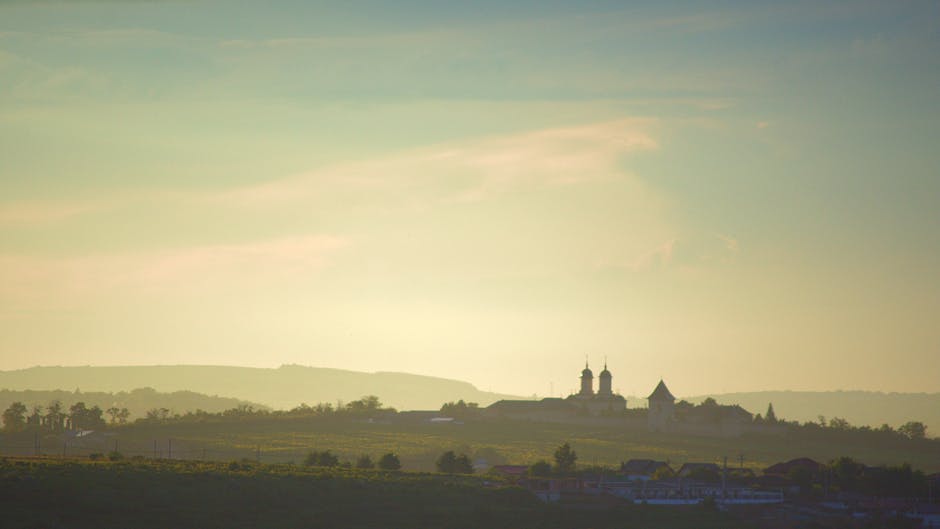
Romania is home to some of Europe’s most atmospheric castles, many nestled in the Carpathian Mountains or hidden in forested hills. These aren’t just relics—they’re living pieces of history with guided tours, museums, and seasonal events.
Bran Castle: The Dracula Connection
No Romania travel guide with castles would be complete without Bran Castle. Often linked to Bram Stoker’s Dracula, this 14th-century fortress sits dramatically at the border of Transylvania and Wallachia. While there’s no evidence Vlad the Impaler ever lived here, the association draws visitors worldwide. The castle features narrow staircases, secret passages, and exhibits on medieval life. Visit in the morning to avoid crowds, and pair your trip with a stop in the nearby village of Bran for traditional crafts and local cheese.
Peleș Castle: A Royal Masterpiece
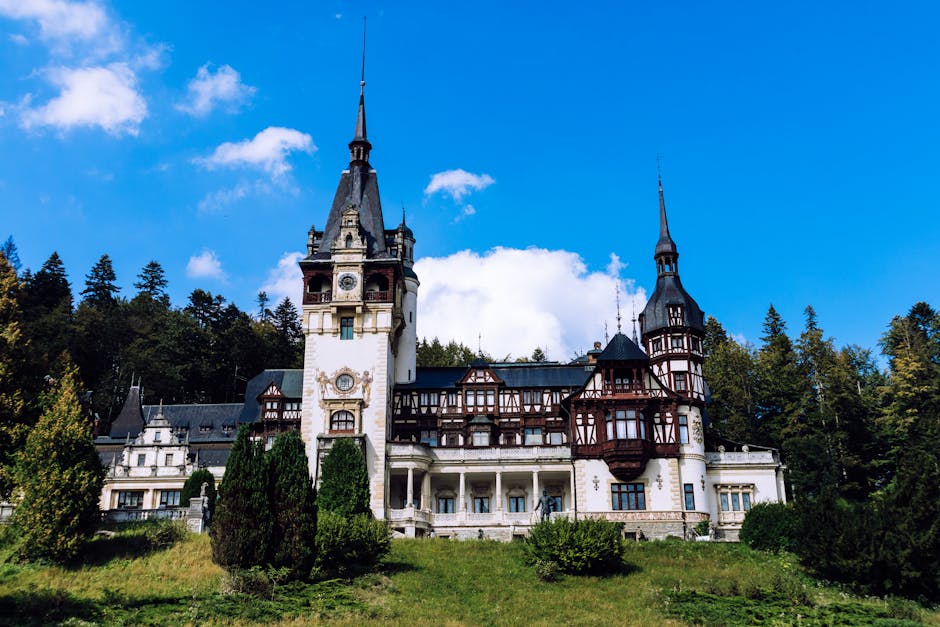
Located in the town of Sinaia, Peleș Castle is a stunning example of Neo-Renaissance architecture. Built in the late 19th century as a summer residence for King Carol I, it boasts over 170 rooms filled with art, weaponry, and intricate wood carvings. The surrounding Peleș National Park offers hiking trails and fresh mountain air. Guided tours are available in multiple languages, but photography is restricted inside—so enjoy the moment.
Corvin Castle: Gothic Grandeur in Hunedoara
One of Romania’s most beautifully preserved Gothic castles, Corvin Castle rises from a rocky outcrop near the city of Hunedoara. Its towering spires, drawbridge, and courtyard with a stone-carved eagle make it a favorite among photographers and history buffs. Legends say Vlad the Impaler was imprisoned here, adding to its eerie allure. The castle hosts medieval festivals in summer, complete with jousting and falconry.
Essential Romania Travel Tips
To make the most of your trip, keep these practical tips in mind. Romania is generally safe, affordable, and welcoming to tourists, but a few local insights go a long way.
Best Time to Visit
Late spring (May–June) and early autumn (September–October) offer mild weather, fewer crowds, and vibrant landscapes. Summer is peak tourist season, especially in Transylvania, but expect higher prices and busy attractions. Winters are cold and snowy—ideal for skiing in Poiana Brașov or visiting Christmas markets in Sibiu, but some mountain roads may be closed.
Getting Around
Romania has a reliable network of trains and buses connecting major cities like Bucharest, Brașov, Sibiu, and Cluj-Napoca. The national rail system (CFR) is affordable but can be slow; opt for intercity trains for faster travel. For flexibility, consider renting a car—just be prepared for narrow mountain roads and occasional potholes. Always carry your driver’s license, passport, and insurance documents.
Money and Costs
Romania uses the Romanian leu (RON). Credit cards are accepted in cities and tourist areas, but cash is essential in rural regions. ATMs are widely available. Budget travelers can expect to spend €30–€50 per day, while mid-range travelers should budget €70–€100. Tipping 10% in restaurants is customary.
Language and Etiquette
Romanian is the official language, but English is spoken in tourist hubs. Learning a few basic phrases—like “Bună ziua” (hello) and “Mulțumesc” (thank you)—goes a long way. Romanians value politeness; greet shopkeepers when entering stores and avoid loud conversations in public spaces.
Must-See Destinations Beyond Castles
While castles dominate the spotlight, Romania’s appeal extends far beyond stone walls and legends.
Sighișoara: A Medieval Citadel
This UNESCO-listed town in central Romania is one of the best-preserved medieval citadels in Europe. Cobblestone streets, colorful houses, and the iconic Clock Tower transport you back in time. It’s also the birthplace of Vlad the Impaler—his house now serves as a restaurant and museum. Visit during the annual Medieval Festival in July for music, crafts, and historical reenactments.
The Danube Delta: Europe’s Biodiversity Hotspot
A UNESCO World Heritage Site, the Danube Delta is a labyrinth of waterways, lakes, and reed islands teeming with birdlife. Take a guided boat tour to spot pelicans, herons, and cormorants. Stay in a guesthouse in Sfântu Gheorghe or Murighiol for an authentic eco-tourism experience. Bring insect repellent—mosquitoes can be intense in summer.
Maramureș: Traditional Village Life
In northern Romania, Maramureș feels like a living museum of rural traditions. Wooden churches with tall spires, hand-carved gates, and horse-drawn carts are still part of daily life. Visit the Merry Cemetery in Săpânța, where colorful tombstones feature humorous epitaphs. The region is also known for its folk music and artisanal crafts.
Food and Drink to Try
Romanian cuisine is hearty, flavorful, and deeply rooted in local ingredients. Don’t leave without trying these dishes:
- Sarmale: Cabbage rolls stuffed with pork, rice, and herbs, often served with polenta and sour cream.
- Mămăligă: A thick cornmeal porridge, similar to polenta, commonly paired with cheese or meat.
- Micii: Grilled skinless sausages made from lamb, beef, or pork, flavored with garlic and spices.
- Palincă: A strong fruit brandy, often homemade—try it as a digestif after dinner.
Many restaurants in tourist areas offer English menus, but venturing into local “casa” (family-run eateries) gives you a more authentic taste of Romanian hospitality.
Safety and Practical Considerations
Romania is one of the safest countries in Europe for travelers. Violent crime is rare, but petty theft—like pickpocketing in crowded markets or on public transport—can occur. Keep your belongings secure, especially in Bucharest’s Old Town or at train stations.
Tap water is safe to drink in most urban areas, but bottled water is recommended in rural regions. Healthcare is adequate in cities, but travel insurance is strongly advised. Pharmacies (farmacii) are widely available and staff often speak basic English.
Sample 7-Day Itinerary
For first-time visitors, this route balances castles, culture, and convenience:
- Day 1–2: Bucharest – Explore the Palace of the Parliament, Old Town, and Village Museum.
- Day 3: Sinaia – Visit Peleș Castle and enjoy the mountain scenery.
- Day 4: Bran – Tour Bran Castle and explore the village.
- Day 5: Brașov – Wander the town square, hike to the Hollywood-style sign, and visit nearby Râșnov Fortress.
- Day 6: Sighișoara – Discover the medieval citadel and Vlad’s birthplace.
- Day 7: Cluj-Napoca – End in Transylvania’s cultural capital with museums, cafes, and nightlife.
Comparison of Top Romanian Castles
| Castle | Location | Best For | Entry Fee (Approx.) | Unique Feature |
|---|---|---|---|---|
| Bran Castle | Bran, near Brașov | Dracula lore, photography | €12 | Legendary connection to Vlad the Impaler |
| Peleș Castle | Sinaia | Architecture, royal history | €15 | Neo-Renaissance design with over 170 rooms |
| Corvin Castle | Hunedoara | Gothic atmosphere, festivals | €10 | Original drawbridge and medieval courtyard |
Final Thoughts
A Romania travel guide with castles and travel tips wouldn’t be complete without emphasizing the country’s balance of history, nature, and authenticity. From the misty peaks of the Carpathians to the vibrant streets of Transylvanian towns, Romania rewards curious travelers with rich experiences and warm hospitality. With careful planning and an open mind, your trip can be both smooth and deeply memorable.
FAQ
Is Romania safe for solo travelers?
Yes, Romania is generally safe for solo travelers. Violent crime is rare, but stay aware in crowded areas and avoid unlit streets at night. Women traveling alone should take standard precautions, especially in larger cities.
Do I need a visa to visit Romania?
Citizens of the EU, US, Canada, and Australia do not need a visa for stays up to 90 days. Check current entry requirements based on your nationality before traveling.
Can I use euros in Romania?
No, Romania uses the Romanian leu (RON). While some tourist businesses may accept euros, you’ll get better rates and wider acceptance using local currency. Exchange money at banks or official exchange offices.