
Cheap Travel Guide to Malaysia for Budget Travelers
Malaysia offers an exceptional travel experience without breaking the bank, making it one of Southeast Asia’s top destinations for budget-conscious explorers. From bustling street markets in Kuala Lumpur to pristine beaches in Langkawi and cultural gems in Penang, a cheap travel guide to Malaysia proves that affordability doesn’t mean sacrificing quality. With smart planning, travelers can enjoy diverse cuisine, rich heritage, and stunning natural landscapes for under $30 a day. This guide covers essential tips, transportation options, accommodation, food, and hidden costs to help you explore Malaysia on a tight budget.
Why Malaysia Is Ideal for Budget Travelers
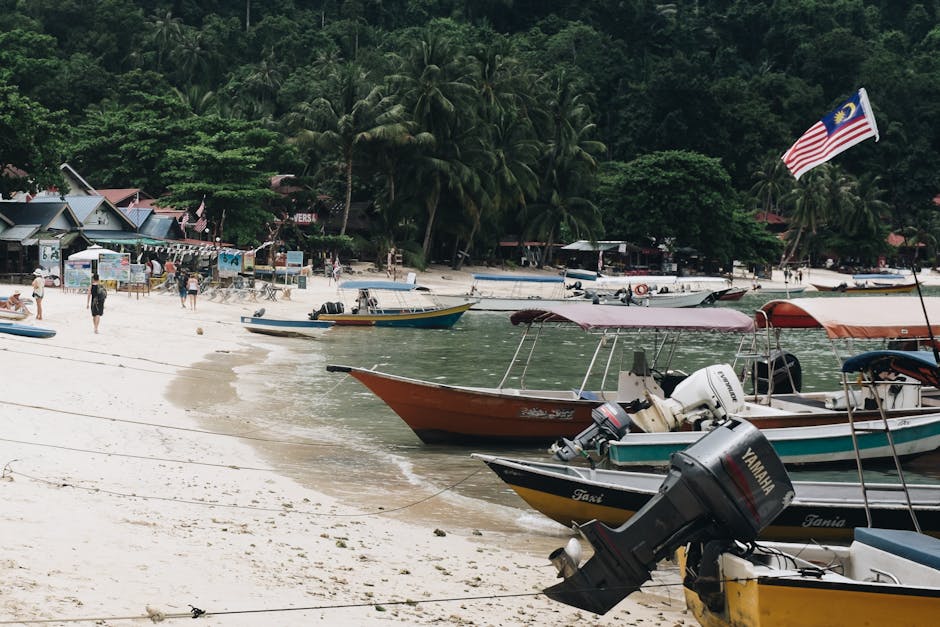
Malaysia consistently ranks among the most affordable countries in Asia for international visitors. The cost of living is low, public transportation is efficient and inexpensive, and local food is both delicious and wallet-friendly. Unlike some neighboring countries, Malaysia maintains a stable infrastructure, making it easy for travelers to navigate cities and rural areas alike. Whether you’re backpacking across islands or exploring UNESCO World Heritage sites, Malaysia delivers high value at low cost.
Best Time to Visit for the Lowest Prices
Timing your trip can significantly reduce expenses. The cheapest months to visit Malaysia are typically during the monsoon season—May to October on the east coast (including Perhentian and Redang Islands) and November to February on the west coast (Kuala Lumpur, Penang, Langkawi). While rain is more frequent, it usually comes in short bursts, and many attractions remain open. Accommodation and flight prices drop noticeably during these periods. Avoid school holiday periods in Malaysia (March, June, and December) when domestic tourism drives up demand and prices.
Affordable Accommodation Options
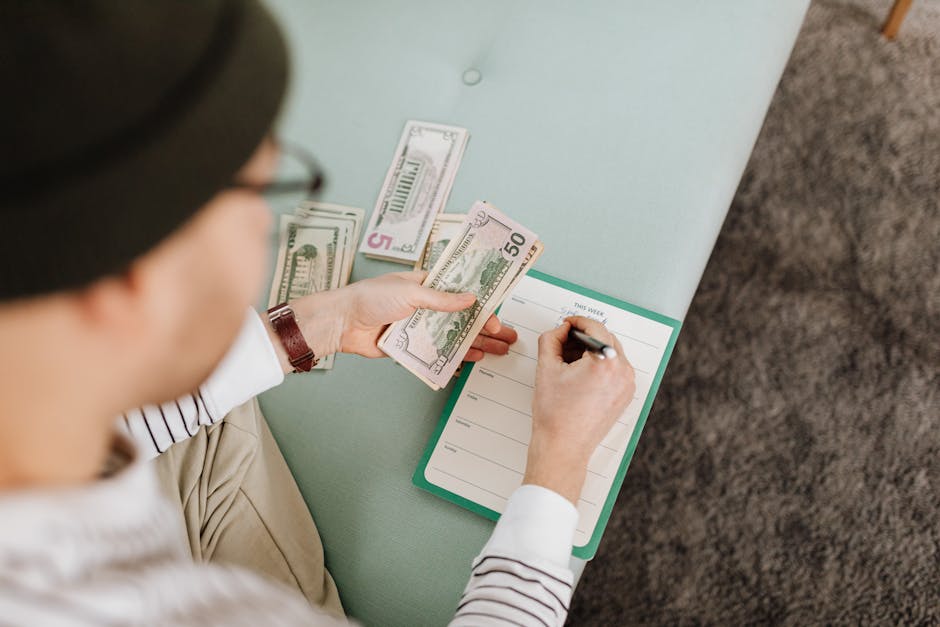
Staying within budget in Malaysia is entirely achievable with the right choices. Hostels are widely available in major cities and tourist hubs, with dorm beds starting from RM15–RM25 ($3–$5) per night. Look for highly rated hostels on platforms like Hostelworld or Booking.com that include free Wi-Fi, breakfast, and secure lockers. For more privacy, budget hotels and guesthouses offer private rooms from RM50–RM80 ($10–$17), especially in areas like Georgetown (Penang) or Malacca. Homestays and Airbnb rentals can also be cost-effective, particularly for groups or longer stays.
Top Budget Accommodation Areas
- Kuala Lumpur: Stay near Jalan Alor or Bukit Bintang for walkable access to street food, transit, and attractions.
- Penang: Georgetown’s heritage zone offers charming guesthouses and hostels within walking distance of museums and cafes.
- Langkawi: Pantai Cenang has budget beachfront chalets and hostels, though prices rise during peak season.
Getting Around Malaysia on a Budget
Transportation is one of the biggest expenses for travelers, but Malaysia’s network of buses, trains, and ride-sharing apps makes it easy to move affordably. Domestic flights can be cheap if booked in advance—AirAsia and Firefly often offer fares under RM50 ($10) for routes like Kuala Lumpur to Penang or Johor Bahru. For longer distances, overnight buses are a popular and economical choice, with companies like Aeroline and Transnasional offering reclining seats and air conditioning for RM30–RM60 ($6–$12).
The KTM Komuter and LRT systems in Kuala Lumpur are efficient and cost RM1–RM5 per ride. In Penang, the CAT free shuttle bus covers key tourist spots in Georgetown. Ride-hailing apps like Grab are widely used and often cheaper than taxis—use them for short trips or airport transfers. Avoid renting cars unless traveling in remote areas; fuel, tolls, and parking can add up quickly.
Eating Well Without Overspending
One of the biggest advantages of traveling in Malaysia is the abundance of affordable, high-quality food. Street food stalls, known as mamak stalls or hawker centers, serve meals for RM3–RM8 ($0.60–$1.70). Dishes like nasi lemak, char kway teow, and roti canai are not only delicious but also filling and nutritious. Popular hawker centers include Jalan Alor in Kuala Lumpur, Gurney Drive in Penang, and Medan Selera in Malacca.
For self-catering, local supermarkets like Giant, Tesco, and AEON offer groceries at low prices. A week’s worth of basic food (rice, vegetables, eggs, fruit) can cost under RM50 ($10). While dining in tourist restaurants is convenient, it’s often 2–3 times more expensive than street food. Stick to local eateries for the best value.
Free and Low-Cost Attractions
Malaysia is rich in cultural and natural attractions that won’t cost a fortune. Many temples, mosques, and museums have no entry fee or charge minimal amounts. In Kuala Lumpur, visit the Batu Caves (free), Merdeka Square (free), and the National Mosque (free, modest dress required). The Islamic Arts Museum charges only RM12 ($2.50) and houses one of the finest collections in Southeast Asia.
In Penang, explore the street art scene along Armenian Street and visit the Khoo Kongsi clan house for RM10 ($2). Langkawi’s beaches, like Pantai Cenang and Datai Bay, are free to access, and jungle trails such as the Langkawi Sky Bridge offer stunning views for a small fee (RM35/$7). National parks like Taman Negara allow budget camping and jungle trekking with permits starting at RM5 ($1).
Budget Travel Tips and Common Pitfalls
Even in an affordable destination, overspending can happen. Avoid high-priced tourist traps like overpriced “all-inclusive” island tours or souvenir shops in busy areas. Always compare prices before booking tours—local operators often offer the same service for half the price of international agencies.
Bargaining is expected in markets but not in fixed-price stores. Learn a few basic Malay phrases to build rapport with vendors. Be cautious with currency exchange: avoid airport counters and use licensed money changers in city centers for better rates. Credit cards are accepted in cities, but carry cash for rural areas and small vendors.
Travel insurance is non-negotiable. While Malaysia has good medical facilities, treatment for foreigners can be costly. A basic policy covering health, theft, and trip cancellation starts at $15–$25 for a two-week trip.
Sample Daily Budget Breakdown
Here’s a realistic daily budget for a solo traveler in Malaysia:
| Expense | Cost (MYR) | Cost (USD) |
|---|---|---|
| Accommodation (dorm bed) | 20 | 4.20 |
| Food (3 meals + snacks) | 25 | 5.25 |
| Local transport | 10 | 2.10 |
| Attractions & activities | 15 | 3.15 |
| Miscellaneous (SIM, tips, etc.) | 10 | 2.10 |
| Total per day | 80 | 16.80 |
This budget assumes shared accommodation, eating at local stalls, and using public transport. With careful planning, daily costs can stay under $20, including occasional treats or short tours.
Packing Essentials for Budget Travel in Malaysia
Pack light to avoid baggage fees and make moving between destinations easier. Essentials include lightweight, breathable clothing (Malaysia is hot and humid year-round), a reusable water bottle with a filter, sunscreen, insect repellent, and a universal power adapter. A small daypack is useful for day trips. Download offline maps and translation apps like Google Translate to navigate without data. Consider a local SIM card—Maxis or Celcom offer 10GB plans for around RM30 ($6) with good coverage.
Final Thoughts on Affordable Travel in Malaysia
A cheap travel guide to Malaysia isn’t about cutting corners—it’s about making smart choices that enhance your experience while keeping costs low. From savoring authentic street food to exploring ancient temples and tropical islands, Malaysia delivers incredible value. With careful planning, cultural awareness, and flexibility, budget travelers can enjoy a rich, immersive journey without financial stress.
FAQ
Is Malaysia safe for solo budget travelers?
Yes, Malaysia is generally safe for solo travelers, including women. Petty crime like pickpocketing can occur in crowded areas, so stay aware of your surroundings and keep valuables secure. Stick to well-lit, busy areas at night.
Do I need to speak Malay to get by?
No. English is widely spoken in cities, tourist areas, and transportation hubs. Learning a few basic Malay phrases can enhance your experience and help with bargaining in markets.
Can I use US dollars in Malaysia?
No. The official currency is the Malaysian Ringgit (MYR). While some tourist shops may accept USD, you’ll get a poor exchange rate. Use ATMs or licensed money changers for the best rates.