Budget Travel Guide to Morocco with Travel Tips
Traveling through Morocco doesn’t have to break the bank. With smart planning, local insights, and a few key strategies, you can experience the country’s vibrant culture, stunning landscapes, and historic cities on a modest budget. This budget travel guide to Morocco with travel tips covers everything from affordable accommodations and local transport to eating like a local and avoiding common tourist traps. Whether you’re exploring the blue streets of Chefchaouen, wandering the souks of Marrakech, or trekking in the Atlas Mountains, you can do it all without overspending.
Why Morocco Is Ideal for Budget Travelers
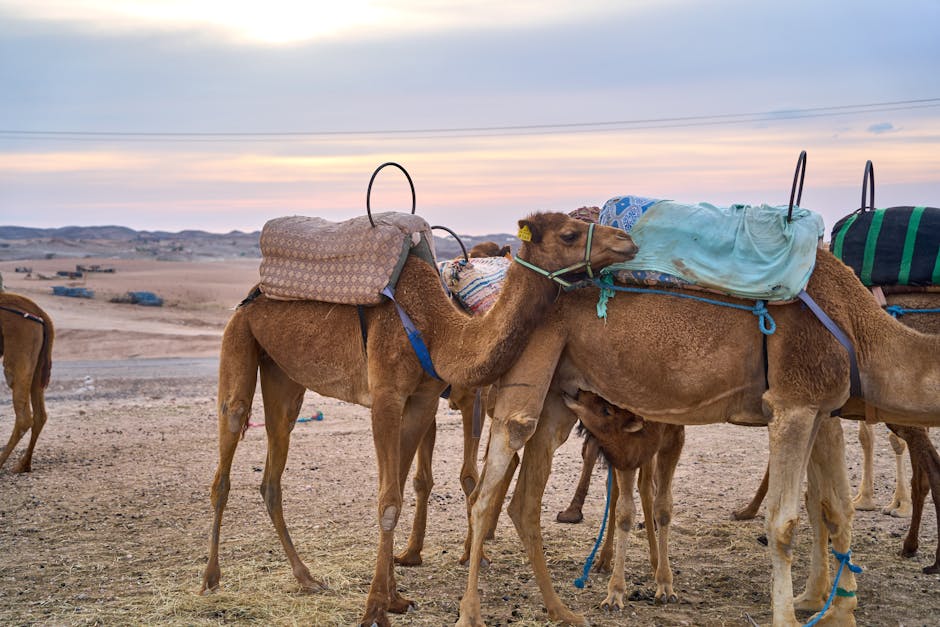
Morocco offers exceptional value for money compared to many other destinations in North Africa and Europe. The cost of food, lodging, and transportation remains low, especially outside peak tourist seasons. Local markets, street food, and public transit make it easy to stretch your budget while still enjoying authentic experiences. Additionally, Morocco’s diverse geography—from coastal towns to desert dunes and mountain villages—means you can have multiple adventures without needing expensive flights or tours.
Best Times to Visit for Lower Prices
Timing your trip can significantly impact your expenses. The high season runs from April to June and September to October, when weather is ideal and crowds are largest. Prices for flights and accommodations spike during these months. For the best deals, consider traveling in the shoulder seasons—late autumn (November) or early spring (March)—when temperatures are still pleasant and tourist numbers drop. Winter (December to February) is the cheapest time to visit, especially in cities like Marrakech and Fes, though mountain and desert regions can be chilly.
Affordable Accommodation Options
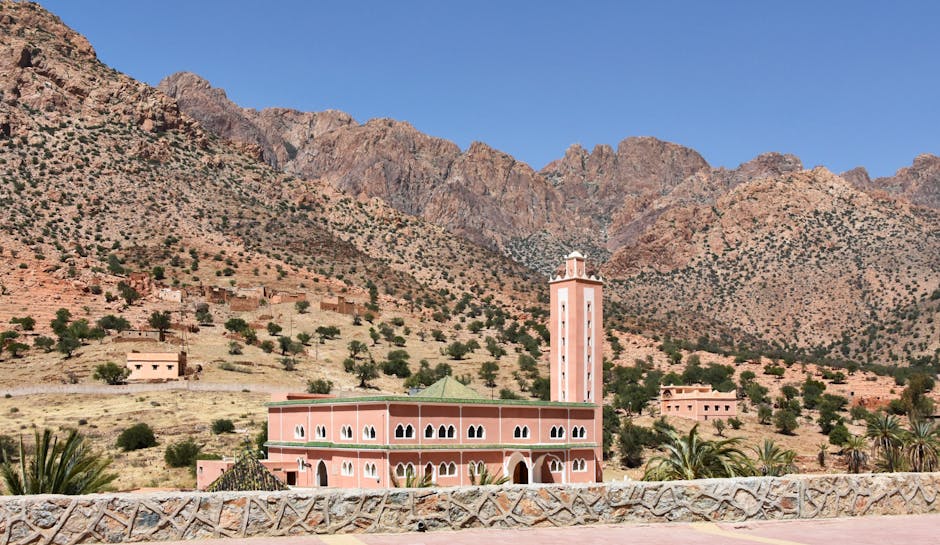
Morocco offers a range of budget-friendly lodging, with traditional riads being a standout option. These restored guesthouses often feature central courtyards, rooftop terraces, and personalized service at surprisingly low rates. Dorm beds in hostels start around $8–$12 per night, while private rooms in guesthouses or small hotels typically range from $20 to $40. Booking in advance through platforms like Booking.com or Hostelworld can secure better rates, especially in popular cities.
Top Budget-Friendly Cities and Stays
- Marrakech: Riad Dar Anahla (private room from $35/night, includes breakfast)
- Fes: Riad Dar Bensouda (central location, rooftop views, under $30/night)
- Chefchaouen: Hostel Casa Perleta (dorms from $10, social atmosphere)
- Essaouira: Riad Mimouna (ocean views, walking distance to medina, $40/night)
Getting Around on a Budget
Morocco has a reliable and inexpensive public transportation network. For intercity travel, trains operated by ONCF are clean, safe, and affordable. A first-class ticket from Casablanca to Marrakech (about 3 hours) costs around $12. Second class is even cheaper at $8. Buses, run by companies like CTM and Supratours, connect smaller towns and remote areas. A bus from Marrakech to Ouarzazate (gateway to the Sahara) costs about $6 and takes 4 hours.
Within cities, walking is often the best option, especially in medinas where cars aren’t allowed. For longer distances, shared grand taxis (white Mercedes) are common. These seat up to six passengers and follow fixed routes. A ride across Marrakech might cost $2–$3 per person. Always agree on the fare before getting in, or ensure the meter is running.
Transportation Cost Comparison
| Route | Mode | Duration | Cost (USD) |
|---|---|---|---|
| Casablanca → Marrakech | Train (2nd class) | 2.5 hours | $8 |
| Marrakech → Ouarzazate | CTM Bus | 4 hours | $6 |
| Fes → Chefchaouen | Grand Taxi + Local Bus | 4.5 hours | $10 |
| Essaouira → Agadir | CTM Bus | 3 hours | $7 |
Eating Well Without Overspending
One of the joys of traveling in Morocco is the food—and it’s remarkably affordable. Street food is not only cheap but also delicious and safe to eat. In the medinas, look for busy stalls where locals gather. A bowl of harira (Moroccan soup) costs $1, a msemen (griddle pancake) with honey is $0.50, and a tagine with bread runs $3–$5. At lunch, many restaurants offer set menus (plat du jour) for $4–$7, including soup, main course, and mint tea.
Avoid eating in tourist-heavy squares like Jemaa el-Fnaa in Marrakech after dark, where prices inflate and quality often drops. Instead, venture a few blocks away to find family-run spots favored by locals. Supermarkets like Marjane and Carrefour offer packaged snacks and bottled water at low prices—ideal for day trips or hikes.
Saving Money on Activities and Attractions
Many of Morocco’s best experiences are free or low-cost. Wandering through the medinas of Fes or Marrakech, visiting public gardens like the Majorelle Garden (entry: $8), or hiking in the Ourika Valley (free) require little to no spending. Guided tours can be pricey, but you can often join group hikes or desert excursions at a fraction of the cost by booking through local guesthouses instead of international agencies.
For the Sahara Desert, consider a 2-day, 1-night group tour from Ouarzazate or Zagora. These typically include transport, camel trekking, camping, and meals for $80–$120. Private tours can cost $300+, so group options are far more budget-friendly. Always confirm what’s included—some tours charge extra for blankets, water, or tipping.
Smart Money-Saving Tips
- Bargain in markets: Haggling is expected in souks. Start at 30–50% of the asking price and negotiate politely.
- Use local SIM cards: Purchase a prepaid SIM from Orange or Inwi at the airport for $5–$10. Data plans are cheap (10GB for $5), helping you avoid expensive roaming.
- Drink bottled water: Tap water isn’t safe to drink. Buy large bottles and refill a reusable container to save money and reduce plastic.
- Travel light: Many guesthouses and buses have limited storage. A backpack is easier to manage than a suitcase.
- Carry small bills: Vendors and taxi drivers often don’t have change for large notes. Keep 10- and 20-dirham bills handy.
Safety and Cultural Etiquette
Morocco is generally safe for travelers, but petty theft can occur in crowded areas. Keep your belongings secure, avoid displaying valuables, and use hotel safets when available. Dress modestly, especially in rural areas and religious sites—cover shoulders and knees. While French and Arabic are widely spoken, learning a few basic phrases in Darija (Moroccan Arabic) like “Salam” (hello) and “Shukran” (thank you) goes a long way.
Avoid discussing politics, religion, or the monarchy. Photography is usually allowed, but always ask before photographing people, particularly women.
Sample 7-Day Budget Itinerary
Here’s a realistic, low-cost route covering Morocco’s highlights:
- Day 1: Arrive in Casablanca → Train to Marrakech ($8) → Explore medina and souks
- Day 2: Day trip to Atlas Mountains (hike to Imlil, lunch in village, $15 total)
- Day 3: Bus to Ouarzazate ($6) → Visit Atlas Film Studios ($5) → Overnight in guesthouse ($25)
- Day 4: Group desert tour to Zagora ($90, includes camel trek and camping)
- Day 5: Return to Ouarzazate → Bus to Fes ($15, 8 hours) → Check into riad ($30)
- Day 6: Explore Fes medina (free walking, $3 for Bou Inania Madrasa) → Cookery class ($20)
- Day 7: Train to Chefchaouen ($10, 5 hours) → Walk blue streets → Depart from Tangier
Total estimated cost (excluding flights): $350–$400 per person.
Final Thoughts on Budget Travel in Morocco
Morocco is a dream destination for budget travelers who want rich cultural experiences without luxury prices. With careful planning, local knowledge, and a willingness to embrace simplicity, you can explore its cities, mountains, and deserts affordably. This budget travel guide to Morocco with travel tips equips you with practical strategies to save money while still enjoying authentic adventures. From street food to shared taxis and guesthouse stays, every choice can enhance your journey without inflating your expenses.
FAQ
Is Morocco safe for solo budget travelers?
Yes, Morocco is generally safe for solo travelers, including women. Stick to well-lit, populated areas at night, avoid isolated spots, and trust your instincts. Hostels and guesthouses often have 24-hour reception and can offer local advice.
How much money should I budget per day in Morocco?
Budget travelers can comfortably spend $25–$40 per day, covering accommodation, food, local transport, and a few attractions. This assumes staying in guesthouses, eating street food, and using public transport.
Do I need to tip in Morocco?
Tipping is appreciated but not mandatory. In restaurants, rounding up the bill or leaving 5–10% is common. For guides and drivers on tours, $2–$5 per day is standard.