
Cheapest Travel Destinations in Europe for 2026
If you’re planning a European getaway in 2026 without draining your wallet, several countries offer exceptional value for budget-conscious travelers. The cheapest travel destinations in Europe for 2026 combine affordability with rich culture, stunning landscapes, and reliable infrastructure. From Eastern Europe’s hidden gems to underrated corners of the Balkans and Southern Europe, these spots deliver authentic experiences at a fraction of Western Europe’s prices. Whether you’re looking for historic cities, coastal escapes, or mountain retreats, this guide highlights where your money goes furthest—without sacrificing quality or safety.
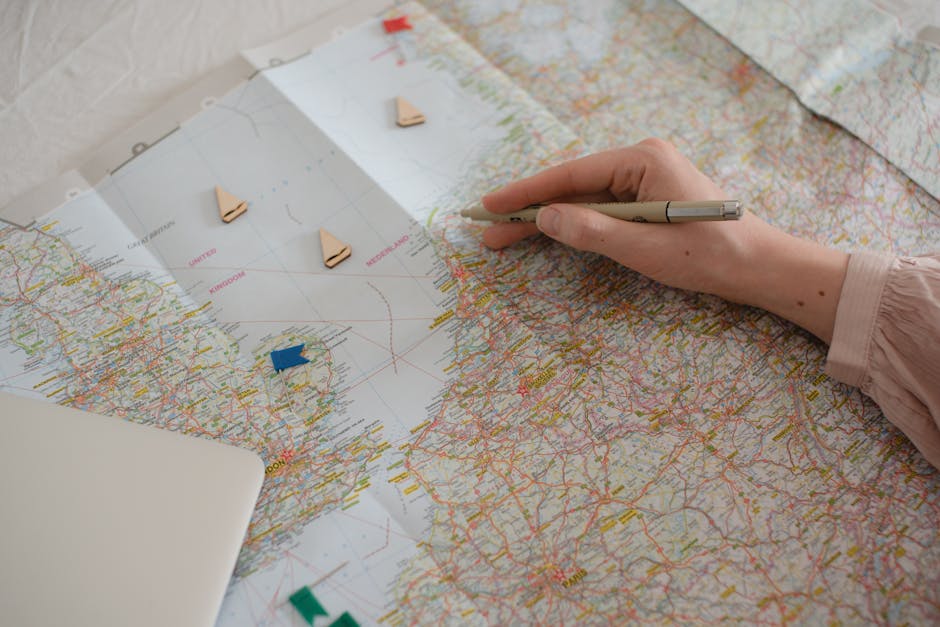
Why Eastern Europe Leads in Affordability
Eastern Europe remains the top region for budget travelers heading into 2026. Countries like Romania, Bulgaria, and Serbia offer low costs across accommodation, dining, and transportation, while maintaining high standards of hospitality and tourist services. A meal at a local restaurant rarely exceeds €8, and centrally located guesthouses or boutique hostels often cost under €25 per night. Public transit is efficient and inexpensive, and many attractions—such as medieval castles, national parks, and historic town squares—are either free or charge minimal entry fees.
Romania’s Transylvania region, for example, blends Gothic architecture with rolling hills and hiking trails. Cities like Cluj-Napoca and Brasov provide a mix of urban energy and natural access, all at prices that feel like a step back in time compared to Paris or Amsterdam. Similarly, Bulgaria’s Plovdiv and Sofia offer Roman ruins, art galleries, and thermal spas for a fraction of what you’d pay in Western capitals.
Balkan Bargains: Culture and Coastlines on a Budget
The Balkans continue to rise as a favorite among savvy travelers seeking affordability without compromise. Albania, North Macedonia, and Montenegro deliver dramatic coastlines, mountain scenery, and deep historical roots—all while keeping costs low. Albania’s Albanian Riviera, with towns like Ksamil and Himarë, offers Mediterranean beaches and seaside seafood at prices closer to Southeast Asia than Italy.
North Macedonia’s Lake Ohrid, a UNESCO World Heritage site, provides serene lakeside views, ancient churches, and waterfront cafes where a full meal costs under €10. Public buses connect major towns affordably, and private rooms through local platforms often include breakfast and Wi-Fi for under €30 per night. Montenegro, while slightly pricier than its neighbors, still undercuts most of Western Europe—especially outside peak summer months.
Underrated Gems in Southern and Central Europe
Beyond the East, several Southern and Central European countries offer surprising value. Portugal, particularly outside Lisbon and Porto, remains one of the continent’s most affordable Western options. The Alentejo region and northern towns like Braga feature charming villages, wine routes, and coastal cliffs—all with lower price tags than Spain or France.
Slovenia, though smaller and more developed, balances cost and quality well. Ljubljana is walkable, safe, and filled with cafes and green spaces, while Lake Bled and the Julian Alps offer outdoor adventures without the Swiss price tag. Trains and buses are clean, punctual, and reasonably priced, making it easy to explore multiple regions on a modest budget.
Top 5 Cheapest Travel Destinations in Europe for 2026
Based on average daily travel costs—including lodging, food, local transport, and entry fees—these five destinations offer the best value for 2026:
- Romania – From €35/day. Explore Bran Castle, hike the Carpathians, and enjoy hearty local cuisine in cities like Sibiu and Timișoara.
- Bulgaria – From €38/day. Discover Plovdiv’s old town, relax in Bansko’s ski resorts, or unwind in Sofia’s vibrant café culture.
- Albania – From €40/day. Swim in the Ionian Sea, visit Berat’s Ottoman architecture, and trek in Theth National Park.
- North Macedonia – From €42/day. Cruise Lake Ohrid, explore Skopje’s Stone Bridge, and sample Balkan wines in Tikveš.
- Portugal (regional) – From €55/day. Wander through Évora’s Roman temple, surf in Nazaré, or taste port wine in the Douro Valley.
These estimates assume mid-range budget travel: staying in private rooms or quality hostels, eating a mix of street food and restaurant meals, and using public transportation. Costs can drop further with camping, cooking, or off-season visits.
How to Maximize Value in Budget Destinations
Even in the cheapest travel destinations in Europe for 2026, smart planning ensures you stretch your euros further. Start by traveling during shoulder seasons—April–May or September–October—when prices are lower and crowds thinner. Avoid major holidays and local festivals, which can inflate accommodation costs overnight.
Use local transit instead of taxis or rental cars. In cities like Sofia or Tirana, a weekly bus pass costs less than a single Uber ride in London. Eat where locals eat: markets, bakeries, and family-run tavernas offer authentic meals at a fraction of tourist-zone prices. Many museums and galleries offer free entry on certain days or reduced rates for students and seniors.
Book accommodations directly through local websites or guesthouse owners when possible. This often avoids platform fees and supports small businesses. Always check recent traveler reviews for cleanliness and safety, especially in budget lodgings.
Compact Cost Comparison: Daily Budget Breakdown
Below is a quick comparison of average daily costs across five top budget destinations. Figures are in euros and based on mid-range budget travel for one person.
| Destination | Accommodation | Food | Transport | Attractions | Total/Day |
|---|---|---|---|---|---|
| Romania | €18 | €12 | €3 | €2 | €35 |
| Bulgaria | €20 | €13 | €3 | €2 | €38 |
| Albania | €22 | €12 | €4 | €2 | €40 |
| North Macedonia | €20 | €15 | €5 | €2 | €42 |
| Portugal (regional) | €28 | €18 | €6 | €3 | €55 |
These totals reflect typical spending for independent travelers. Costs may vary based on travel style, season, and personal preferences.
What to Watch Out For
While affordability is a major draw, a few caveats apply. Some budget destinations have limited English signage or digital infrastructure, which can complicate navigation or bookings. Always carry a physical map or download offline versions before arriving.
Payment methods vary: while card acceptance is improving, cash is still king in rural areas of Albania, Romania, and North Macedonia. Withdraw euros or local currency from ATMs in cities to avoid poor exchange rates at airports or border crossings.
Safety is generally high, but petty theft can occur in crowded markets or on public transport. Keep valuables secure and avoid displaying expensive electronics. Travel insurance is recommended, especially for outdoor activities like hiking or water sports.
Final Tips for 2026 Travelers
To make the most of your trip to the cheapest travel destinations in Europe for 2026, start planning early. Flights can be the biggest expense, so monitor prices and consider nearby airports for better deals. Flexibility with dates often yields significant savings.
Pack light to avoid baggage fees, and bring a reusable water bottle—many European cities have safe tap water and public refill stations. Learn a few basic phrases in the local language; it goes a long way in building rapport and unlocking local tips.
Finally, embrace slow travel. Staying longer in one place reduces transportation costs and allows deeper cultural immersion. A week in a Romanian village or a Macedonian lakeside town often delivers more value than rushing through five capitals in ten days.
FAQ
Is it safe to travel to Eastern Europe in 2026?
Yes, most Eastern European countries are safe for travelers. Nations like Romania, Bulgaria, and North Macedonia have low crime rates and welcoming attitudes toward tourists. As with any destination, stay aware of your surroundings and follow local advice.
Do I need a visa to visit these countries?
Citizens of the EU, US, Canada, Australia, and many other countries can enter Romania, Bulgaria, and North Macedonia visa-free for short stays (usually up to 90 days). Albania allows visa-free entry for similar durations. Always check your government’s travel advisory before departure.
When is the best time to visit these budget destinations?
Late spring (April–June) and early autumn (September–October) offer the best balance of good weather, lower prices, and fewer crowds. Summer is peak season in coastal areas, while winter is ideal for skiing in Bulgaria or Romania—though some rural services may be limited.