{
“content_html”: “
Budget Travel Guide to Nepal for Adventure Travelers
n
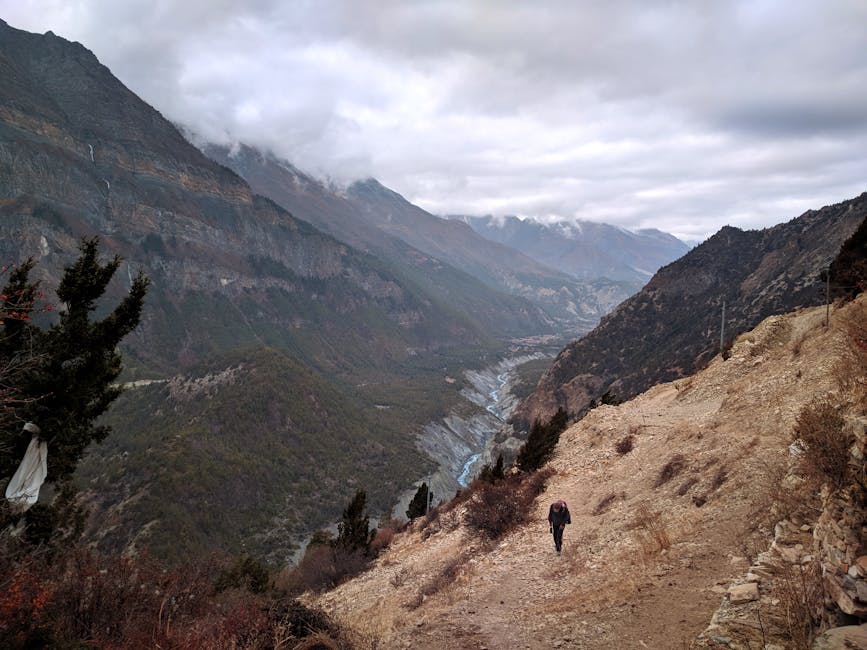
Nepal offers some of the world’s most thrilling adventures at a fraction of the cost of similar experiences elsewhere. This Budget Travel Guide to Nepal for Adventure Travelers breaks down realistic costs, smart planning tips, and essential logistics to help you explore the Himalayas, trek remote trails, and immerse yourself in local culture without overspending. Whether you’re aiming for Everest Base Camp or a quiet village homestay, you can experience Nepal’s magic on a tight budget with careful preparation.
nn
Why Nepal Is Ideal for Budget Adventure Travel
n
Nepal remains one of the most affordable adventure destinations globally. Daily expenses—including food, accommodation, and local transport—can be kept under $25 USD per person, even while trekking. Unlike many mountainous regions, Nepal’s well-established trekking infrastructure means you don’t need expensive gear or private guides to get started. Teahouses line popular routes, offering basic lodging and meals at fixed, government-regulated prices. Public buses and shared jeeps connect major towns, and domestic flights are competitively priced when booked in advance.
nn
Cost Comparison: Nepal vs. Other Adventure Destinations
n
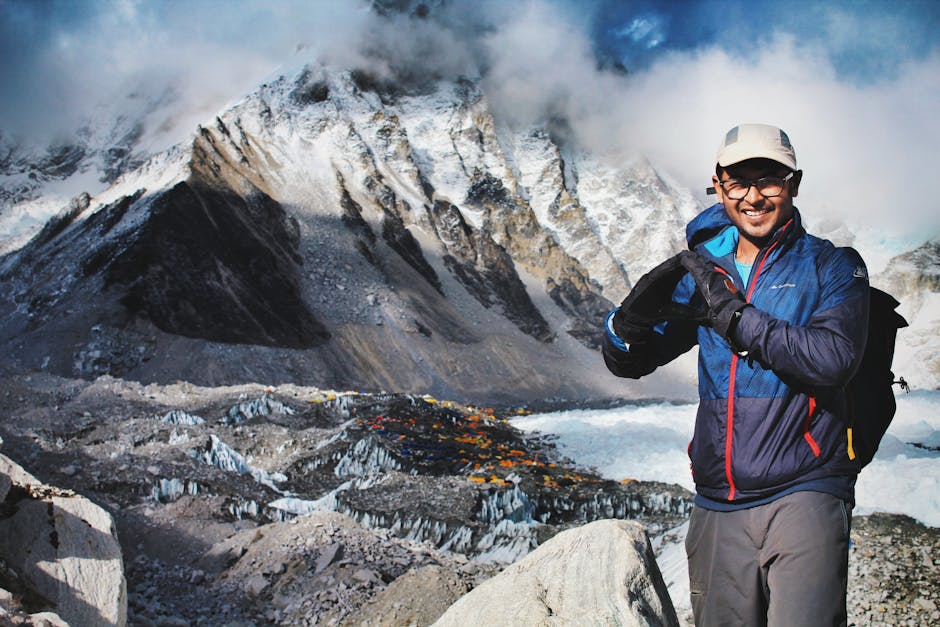
When compared to trekking in the Alps, Patagonia, or New Zealand, Nepal stands out for its low daily cost and high reward. A 10-day guided trek in Nepal might cost $600–$900, including permits, lodging, and guide support. The same duration in the Swiss Alps could easily exceed $2,500, not including international airfare. Even within Asia, Nepal is more affordable than Bhutan or Japan for outdoor adventures.
nn
| Destination | Accommodation | Food | Transport | Activities/Permits | Total (approx.) |
|---|---|---|---|---|---|
| Nepal | $5–$10 | $5–$8 | $3–$7 | $5–$15 | $18–$40 |
| Switzerland | $80–$150 | $30–$50 | $15–$30 | $20–$50 | $145–$280 |
| New Zealand | $40–$80 | $20–$35 | $10–$25 | $15–$40 | $85–$180 |
nn
Essential Costs and How to Minimize Them
n
Understanding where your money goes is key to stretching your budget. The main expenses for adventure travelers in Nepal include permits, accommodation, food, transport, and optional guide or porter services.
nn
Permits and Fees
n
Most trekking routes require at least two permits: the TIMS (Trekkers’ Information Management System) card and a region-specific entry permit. For example, the Annapurna Circuit requires a TIMS card ($20) and an ACAP (Annapurna Conservation Area Project) permit ($30). The Everest region needs a Sagarmatha National Park permit ($30) and TIMS. These fees are non-negotiable but are significantly lower than park fees in other countries.
nn
Accommodation: Teahouses and Homestays
n
Teahouses are the backbone of budget trekking in Nepal. Run by local families, they offer a bed, shared bathroom, and meals for $5–$10 per night. In less-traveled areas, homestays may cost even less and provide deeper cultural exchange. Avoid luxury lodges unless you’re splurging for a rest day—most trekkers find teahouses perfectly adequate and far more economical.
nn
Food and Water
n
Meals on the trail are simple but filling: dal bhat (lentil soup with rice), noodles, or Tibetan bread. A full meal costs $3–$6. Avoid bottled water when possible—boil, filter, or use purification tablets to save money and reduce plastic waste. Many teahouses offer free boiled water refills.
nn
Transportation: Buses, Flights, and Shared Rides
Public buses are the cheapest way to reach trailheads. A bus from Kathmandu to Pokhara costs around $8 and takes 6–7 hours. For remote regions like Lukla (gateway to Everest), a domestic flight costs $180–$220 one-way. Booking flights early and traveling mid-week can save $30–$50. Shared jeeps are faster and only slightly more expensive than buses on routes like Jomsom or Manang.
nn
Top Budget-Friendly Adventure Routes
n
Not all treks are created equal when it comes to cost and accessibility. These routes offer the best balance of scenery, challenge, and affordability.
nn
Ghorepani Poon Hill Trek (3–5 days)
n
One of the most popular short treks, Poon Hill offers panoramic views of the Annapurna and Dhaulagiri ranges. Starting from Nayapul, the route is well-marked and supported by teahouses. Total cost, including transport and permits, is under $200. Ideal for first-time trekkers or those with limited time.
nn
Langtang Valley Trek (7–10 days)
n
Less crowded than Annapurna or Everest, Langtang offers glaciers, forests, and Tibetan-influenced villages. The trail starts near Kathmandu, reducing travel time and cost. Permits are cheaper ($20 for Langtang National Park), and teahouses are plentiful. Total cost: $400–$600.
nn
Upper Mustang Trek (10–14 days)
n
For a more remote experience, Upper Mustang offers desert-like landscapes and ancient Tibetan culture. This restricted area requires a special permit ($500 for 10 days), which raises the cost, but the uniqueness justifies it for many. Combine with a group to split guide and porter fees.
nn
Saving Money Without Sacrificing Safety
n
Budget travel shouldn’t mean cutting corners on safety. Here’s how to save wisely:
n
- n
- Travel in the shoulder seasons (March–April and October–November). Avoid monsoon (June–August) and peak winter. Flights and accommodations are cheaper, and trails are less crowded.
- Hire a local guide or porter through a reputable agency. While going solo saves money, a guide improves safety, navigation, and cultural insight. Rates start at $25/day for a guide and $20/day for a porter.
- Pack light and smart. Rent or buy gear in Kathmandu or Pokhara instead of bringing everything from home. A down jacket, sleeping bag, and trekking poles can be rented for $2–$5 per day.
- Use local SIM cards. Ncell and Nepal Telecom offer data plans for under $5/week. Essential for navigation and emergency communication.
n
n
n
n
nn
Common Budget Mistakes to Avoid
n
Even experienced travelers can overspend in Nepal. Watch out for these pitfalls:
n
- n
- Overpacking luxury items: Heated blankets, imported snacks, and high-end toiletries add weight and cost. Teahouses provide basics; buy locally when needed.
- Paying for unnecessary upgrades: Some agencies upsell “premium” teahouses or private transport. Stick to standard options unless you have a specific need.
- Ignoring insurance: Medical evacuation in the mountains is expensive. A basic adventure travel insurance policy ($30–$50 for two weeks) covers helicopter rescue and hospital stays.
- Underestimating altitude: Rushing to high elevations increases the risk of AMS (Acute Mountain Sickness). Acclimatize properly—don’t skip rest days to save time or money.
n
n
n
n
nn
Packing List for Budget Adventure Travelers
n
A well-planned pack prevents last-minute purchases and keeps your load manageable. Essentials include:
n
- n
- Layered clothing (thermal base, fleece, waterproof jacket)
- Sturdy hiking boots (broken in before the trip)
- Sleeping bag (rated to -10°C; rent if needed)
- Water purification method (filter or tablets)
- Headlamp with extra batteries
- Basic first-aid kit and personal medications
- Reusable water bottle and utensils
n
n
n
n
n
n
n
nn
Final Tips for a Successful Budget Adventure
n
Start planning at least 2–3 months in advance to secure the best flight deals and permits. Book domestic flights early, especially to Lukla, where weather delays are common. Learn a few Nepali phrases—locals appreciate the effort and may offer better prices or tips. Always carry cash (Nepali rupees); ATMs are scarce beyond major towns. Respect local customs: dress modestly, remove shoes when entering homes, and ask before photographing people.
nn
FAQ
n
How much does it cost to trek in Nepal on a budget?
n
A typical 10-day trek, including permits, food, lodging, and local transport, costs between $400 and $700 USD per person. Add international flights and insurance for the full picture.
nn
Do I need a guide for budget trekking in Nepal?
n
It’s not mandatory on most routes, but a local guide enhances safety and cultural understanding. You can hire one independently or through an agency for as little as $25 per day.
nn
Is it safe to travel alone in Nepal as a budget adventurer?
n
Yes, many solo travelers complete treks safely. Stick to popular routes, register with your embassy, and share your itinerary with someone reliable. Avoid remote areas without proper preparation.
nn
With smart planning and realistic expectations, Nepal delivers world-class adventure at backpacker prices. This Budget Travel Guide to Nepal for Adventure Travelers equips you to explore responsibly, spend wisely, and return with unforgettable memories—without draining your savings.
n
“,
“seo_title”: “Budget Travel Guide to Nepal for Adventure Travelers”,
“meta_description”: “Explore Nepal’s best adventure routes on a budget. Real costs, trek tips, and money-saving strategies for hikers and outdoor travelers.”,
“focus_keyword”: “budget travel guide to Nepal for adventure travelers”
}