
Cheap Travel Guide to Sri Lanka for Budget Travelers
Planning a trip to Sri Lanka doesn’t have to break the bank. With smart planning and local know-how, you can experience lush tea plantations, ancient temples, golden beaches, and vibrant culture on a tight budget. This cheap travel guide to Sri Lanka for budget travelers covers everything from affordable accommodations and local transport to street food and free attractions. Whether you’re backpacking through the hill country or island-hopping along the coast, you can enjoy a rich, authentic experience without overspending.
Why Sri Lanka Is a Top Budget Destination
Sri Lanka offers exceptional value for money. Compared to many Southeast Asian countries, daily expenses—especially food, lodging, and local transport—are significantly lower. A full meal at a local eatery costs as little as $1–$2, and guesthouses or hostels often rent for under $15 per night. Public buses and trains are reliable, scenic, and extremely affordable, making it easy to explore the island without renting a car. The country’s compact size also means you can cover major sights in two to three weeks without excessive travel costs.
Best Time to Visit for Budget Travelers
The ideal time to visit Sri Lanka depends on your itinerary. The island has two main monsoon seasons, so timing your trip to avoid heavy rains can save you from disrupted plans and inflated last-minute accommodation prices. The dry season on the west and south coasts runs from December to March, while the east coast is best from April to September. Traveling just before or after these peak periods—late November or early April—can yield lower prices and fewer crowds. Avoid major holidays like Sinhala and Tamil New Year (mid-April), when domestic travel surges and prices spike.
Affordable Accommodation Options
Staying within budget in Sri Lanka is entirely possible with the right choices. Guesthouses, locally known as “homestays” or “lodges,” are widespread and offer clean, safe lodging at low rates. In cities like Colombo or Kandy, expect to pay $10–$20 per night for a private room with fan and shared bathroom. Hostels are common in tourist hubs like Mirissa, Ella, and Negombo, with dorm beds starting around $5. Booking in advance during peak season is wise, but walk-in rates can sometimes be lower—especially if you negotiate politely.
For a more authentic experience, consider staying with a local family through platforms like Homestay.com or even direct referrals from guesthouse owners. These stays often include breakfast and valuable local tips, all while supporting community-based tourism.
Getting Around on a Budget
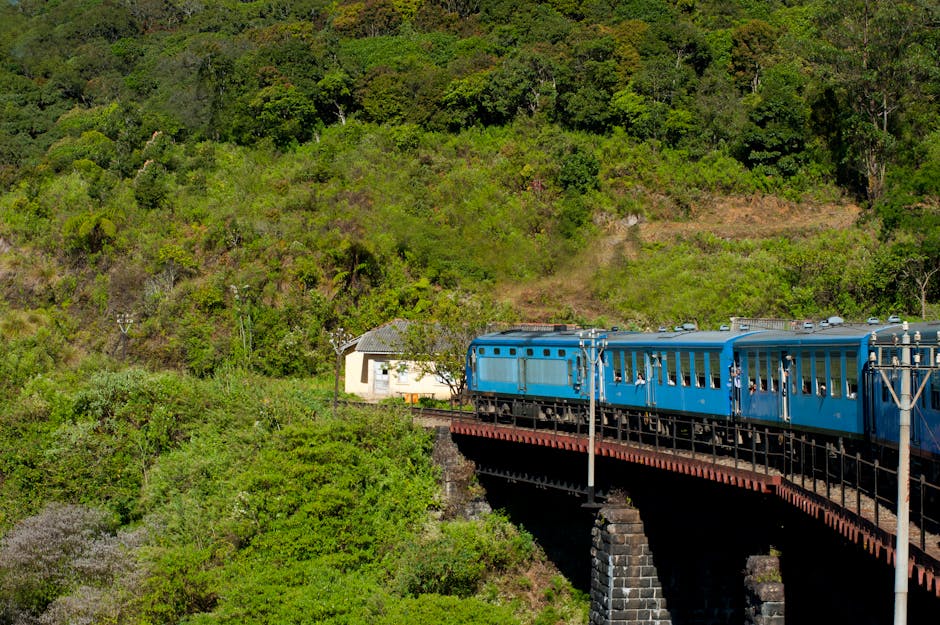
Public transportation is the backbone of budget travel in Sri Lanka. The rail network connects major cities and scenic regions, and second-class tickets are incredibly cheap—around $1–$3 for journeys under three hours. The train ride from Kandy to Ella, for example, is not only affordable but also one of the most beautiful in the world, winding through misty mountains and tea estates.
Buses are even more economical and cover routes trains don’t. Local buses cost pennies, but can be crowded and slow. Semi-express or “CTB” buses are more comfortable and still cost under $2 for most intercity trips. Avoid private taxis for long distances unless splitting costs with others; a shared tuk-tuk or a hired car with driver (around $40–$60/day) becomes cost-effective for groups.
Walking and cycling are viable in smaller towns like Galle or Nuwara Eliya, where attractions are close together and the pace is relaxed.
Eating Cheap and Well
One of the biggest money-savers in Sri Lanka is the food. Local meals are not only delicious but also very affordable. Rice and curry plates, available at small family-run restaurants, typically cost $1–$2 and include multiple vegetable dishes, dhal, and sometimes fish or chicken. Kottu roti—chopped flatbread stir-fried with vegetables, egg, and spices—is a filling street food favorite at around $1.50.
Avoid tourist-oriented restaurants in popular areas like Unawatuna or Bentota, where prices can be double or triple local rates. Instead, look for places frequented by locals—clean, busy spots with no English menus are often the best indicators of quality and value.
Street snacks like samosas, vada, and fresh fruit are also cheap and widely available. Bottled water is safe to drink and costs less than $0.50, but consider carrying a reusable bottle with a filter to reduce plastic waste and save money.
Free and Low-Cost Attractions
Many of Sri Lanka’s most rewarding experiences cost little or nothing. Temple visits, for instance, are often free or require only a small donation. The Temple of the Tooth in Kandy suggests a $10 entry fee, but smaller temples like those in Anuradhapura or Polonnaruwa charge much less or nothing at all. Always dress respectfully—cover shoulders and knees—and remove shoes before entering.
Nature lovers will find plenty of free or low-cost options. Hiking in Ella Rock or Little Adam’s Peak costs nothing and offers panoramic views. Beaches like those in Mirissa, Tangalle, and Arugam Bay are free to access and perfect for swimming, sunbathing, or surfing. National parks do charge entry fees—around $15–$30 per person—but the wildlife sightings, especially in Yala or Udawalawe, are worth the cost for many travelers.
Walking tours in cities like Galle Fort or Colombo are often free or donation-based when led by local guides. These provide rich historical context and personal insights you won’t get from guidebooks.
Budget Itinerary Example: 10 Days Under $300
Here’s a realistic sample itinerary for budget travelers covering key highlights without overspending:
- Days 1–2: Colombo – Explore the city, visit Gangaramaya Temple, and take a free walking tour. Stay in a guesthouse ($12/night).
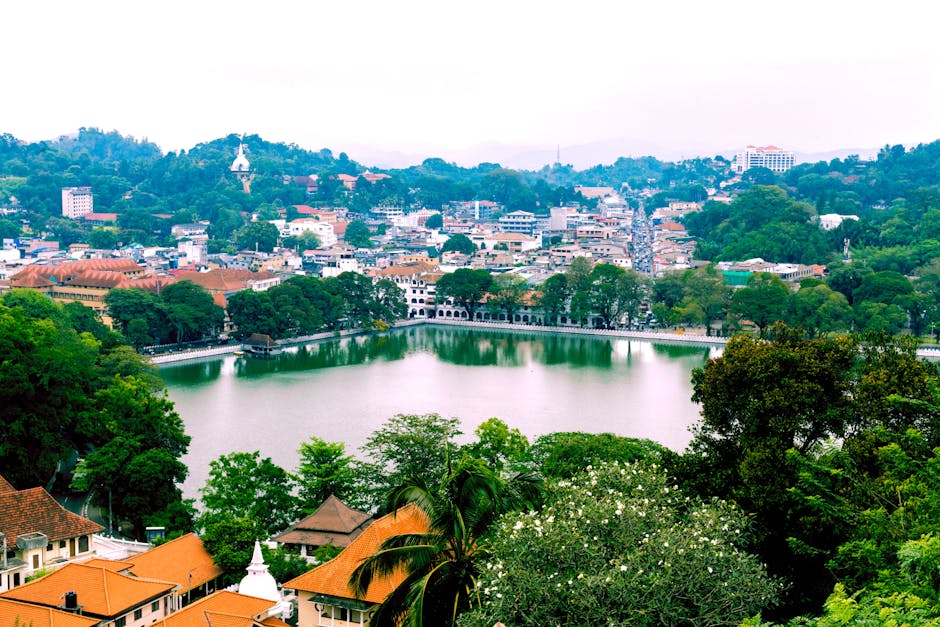
- Days 3–4: Kandy – Visit the Temple of the Tooth, stroll around Lake Kandy, and take the scenic train from Colombo ($2). Accommodation: $10/night.
- Days 5–6: Ella – Hike Ella Rock, visit Nine Arch Bridge, and enjoy mountain views. Train from Kandy: $2.50. Stay in a basic guesthouse: $12/night.
- Days 7–8: Mirissa – Relax on the beach, go whale watching (book in advance for better rates), and enjoy fresh seafood. Bus from Ella: $3. Accommodation: $15/night.
- Days 9–10: Galle – Walk the fort ramparts, explore colonial architecture, and shop for local crafts. Train from Mirissa: $1. Stay: $14/night.
Total estimated cost: $280 (excluding international flights), covering transport, lodging, food, and attractions.
Money-Saving Tips and Warnings
To stretch your budget further, follow these practical tips:
- Use local SIM cards – Purchase a Dialog or Airtel SIM at the airport for cheap data and calls. A 30-day plan with 10GB costs under $5.
- Bargain politely – Haggling is expected in markets and with tuk-tuk drivers, but keep it respectful. Start at 50% of the quoted price and meet in the middle.
- Avoid overpriced tours – Many “all-inclusive” tours are marked up for tourists. Book directly with local operators or guides for better rates.
- Carry small change – Many small vendors and bus conductors don’t accept large bills. Keep a stash of 10, 20, and 50-rupee notes.
- Watch for scams – Be cautious of overly friendly strangers offering unsolicited tours or “closed” attractions. Stick to official ticket counters and verified guides.
Comparison: Budget Options in Key Cities
The table below compares average daily costs for budget travelers in three popular Sri Lankan destinations:
| City | Accommodation (per night) | Local Meal | Public Transport (daily) | Attraction Entry (average) |
|---|---|---|---|---|
| Colombo | $12–$18 | $1.50 | $1 | $5–$10 |
| Kandy | $10–$15 | $1.20 | $0.50 | $8–$12 |
| Ella | $12–$20 | $1.50 | $1 | Free–$5 |
These estimates reflect mid-range budget choices and can be lowered further with careful planning.
Final Thoughts
Sri Lanka remains one of Asia’s most accessible destinations for budget-conscious travelers. With its low cost of living, efficient public transport, and abundance of free or affordable experiences, it’s possible to explore the island thoroughly without compromising on quality or comfort. By choosing local options, avoiding tourist traps, and planning ahead, you can enjoy a rich, immersive journey that fits your budget. This cheap travel guide to Sri Lanka for budget travelers proves that memorable adventures don’t require deep pockets—just smart choices.
FAQ
Is Sri Lanka safe for budget travelers?
Yes, Sri Lanka is generally safe for travelers, including those on a budget. Petty crime like pickpocketing can occur in crowded areas, so stay aware of your belongings. Avoid isolated areas at night and use registered taxis or tuk-tuks. Political stability has improved in recent years, but it’s wise to monitor local news before and during your trip.
Do I need to tip in Sri Lanka?
Tipping is not mandatory but appreciated. In local restaurants, rounding up the bill or leaving 5–10% is common. For guides, drivers, or hotel staff who provide excellent service, a small tip of $1–$5 per day is generous and expected in tourist areas.
Can I drink tap water in Sri Lanka?
No, tap water is not safe to drink. Stick to bottled water or use a water purifier. Many guesthouses provide filtered water dispensers, which are safe and eco-friendly. Avoid ice in drinks unless you’re sure it’s made from purified water.