
How to Plan Your First International Trip Step by Step
Planning your first international trip can feel overwhelming, but breaking it down into clear steps makes the process manageable and even enjoyable. Whether you’re dreaming of Parisian cafés, Tokyo’s neon streets, or the beaches of Bali, knowing how to plan your first international trip step by step ensures a smoother experience from departure to return. This guide walks you through every essential stage—from choosing your destination to packing your bags—so you can travel with confidence.
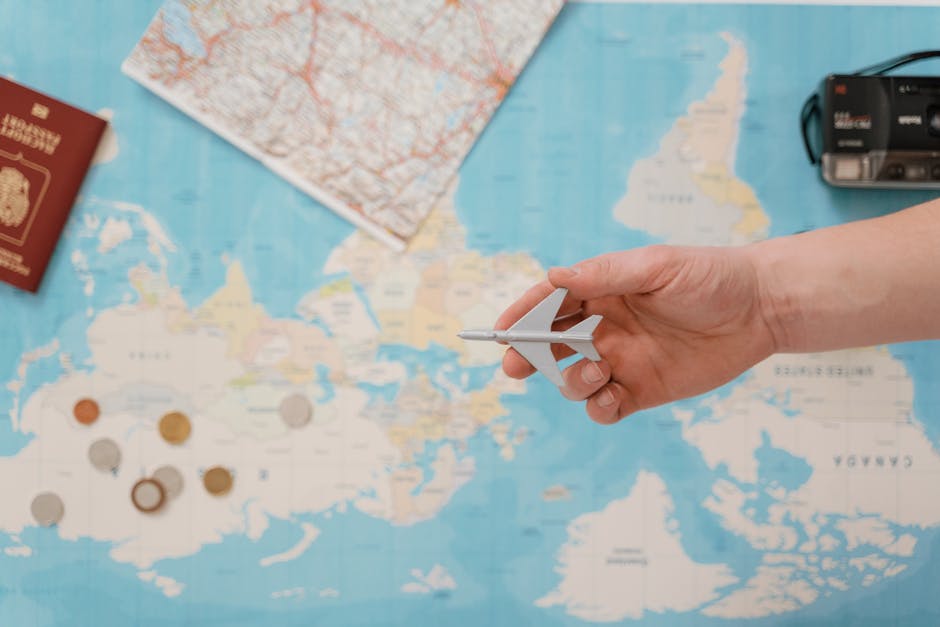
Step 1: Choose Your Destination
Start by identifying where you want to go. Consider factors like budget, climate, language, safety, and what kind of experience you’re seeking—whether it’s cultural immersion, adventure, relaxation, or food tourism. Research visa requirements early; some countries offer visa-free entry or e-visas for short stays, while others require applications months in advance.
For example, U.S. citizens can visit over 180 countries without a visa, including much of Europe and parts of Southeast Asia. However, places like China or India typically require advance visa processing. Use official government travel sites like travel.state.gov (for U.S. travelers) to verify entry rules.

Step 2: Set a Realistic Budget
International travel costs vary widely. Create a detailed budget that includes flights, accommodations, meals, transportation, activities, travel insurance, and a buffer for unexpected expenses. A common rule of thumb is to add 10–15% to your estimated total as a contingency.
Compare destinations based on cost of living. For instance, a week in Portugal might cost significantly less than the same duration in Switzerland. Use tools like Numbeo or Google Flights’ price tracking to estimate daily expenses and monitor fare trends.
Step 3: Book Flights and Accommodations
Start searching for flights at least 6–8 weeks in advance for better deals. Use flexible date calendars to find the cheapest days to fly—typically midweek departures are less expensive. Consider nearby airports if they offer significant savings.
When booking accommodations, prioritize safety, location, and verified reviews. Platforms like Booking.com, Airbnb, and Google Hotels allow filtering by guest ratings, amenities, and proximity to public transit. For first-time travelers, staying in centrally located areas with good public transport access reduces stress and saves time.
Step 4: Check Travel Documents and Entry Requirements
Ensure your passport is valid for at least six months beyond your return date—a requirement for many countries. If you don’t have a passport or it’s nearing expiration, apply or renew it immediately, as processing can take 6–10 weeks in some regions.
Some destinations require proof of onward travel, vaccination records (like yellow fever), or travel insurance. Register your trip with your country’s travel advisory service (e.g., STEP for U.S. citizens) to receive safety updates and emergency assistance.
Step 5: Arrange Travel Insurance
Travel insurance is non-negotiable for international trips. It covers medical emergencies, trip cancellations, lost luggage, and flight delays. Even if not required, it provides peace of mind and financial protection.
Compare policies from reputable providers like World Nomads, Allianz, or SafetyWing. Look for coverage of at least $100,000 for medical expenses and ensure it includes activities you plan to do, such as hiking or scuba diving.
Step 6: Plan Your Itinerary (But Stay Flexible)
Map out key attractions, tours, and restaurants you’d like to experience, but avoid over-scheduling. Allow time for rest, spontaneous discoveries, and delays. Use apps like Google Maps (offline mode), Rome2Rio for transport options, and TripIt to organize bookings.
For example, if visiting Rome, prioritize the Colosseum, Vatican Museums, and a neighborhood food tour—but leave afternoons open for gelato breaks or wandering cobblestone streets.
Step 7: Prepare for Health and Safety
Visit your doctor 4–6 weeks before departure to discuss vaccinations or medications. Some countries require specific immunizations. Pack a travel health kit with basics: pain relievers, antiseptic wipes, rehydration salts, motion sickness tablets, and any prescription medications in original containers.
Download offline maps, save embassy contact information, and share your itinerary with a trusted friend. Enable two-factor authentication on important accounts and avoid using public Wi-Fi for banking.
Step 8: Manage Money and Currency
Notify your bank of your travel dates to avoid card blocks. Carry a mix of payment methods: a no-foreign-transaction-fee debit card, a credit card with travel benefits, and some local cash upon arrival.
Exchange a small amount of currency before leaving or withdraw from ATMs at your destination for better rates. Avoid airport exchange counters—they often charge high fees. Use apps like XE Currency to monitor exchange rates.
Step 9: Pack Smart
Pack light to avoid checked baggage fees and make moving around easier. Use packing cubes to organize clothes and follow the 3-3-3 rule: three tops, three bottoms, three pairs of shoes—mix and match for multiple outfits.
Essential items include a universal power adapter, portable charger, photocopies of important documents, and a lightweight daypack. Check airline baggage policies and liquid restrictions before packing.
Step 10: Final Preparations Before Departure
A few days before leaving, confirm all bookings, check flight status, and download boarding passes. Charge devices, back up photos, and set up automatic email replies. If driving, arrange for someone to collect mail or water plants.
Arrive at the airport at least three hours early for international flights. Have your passport, boarding pass, and customs forms ready. Stay hydrated during the flight and move periodically to reduce jet lag risk.
Compact Comparison: Budget vs. Mid-Range International Trip
| Category | Budget Trip (7 Days) | Mid-Range Trip (7 Days) |
|---|---|---|
| Flights | $600–$900 | $900–$1,400 |
| Accommodation | Hostel or budget hotel: $20–$40/night | 3–4 star hotel: $80–$150/night |
| Food | Street food & self-catering: $15–$25/day | Mix of restaurants & cafes: $40–$70/day |
| Activities | Free walking tours, public parks | Guided tours, museum passes, day trips |
| Total Estimated Cost | $1,200–$1,800 | $2,200–$3,500 |
Final Tips for First-Time International Travelers
- Start small: Choose a destination with strong infrastructure and English-friendly signage if you’re nervous about language barriers.
- Learn basic phrases: Knowing “hello,” “thank you,” and “where is the bathroom?” in the local language goes a long way.
- Stay connected: Consider an international SIM card or eSIM for data access without roaming fees.
- Be respectful: Research local customs, dress codes, and tipping practices to avoid cultural missteps.
- Keep digital copies: Save photos of your passport, visa, and insurance policy in cloud storage.
FAQ
How far in advance should I book my first international trip?
Aim to book flights 6–8 weeks ahead for better prices, but monitor deals. Accommodations and major tours can be reserved 2–3 months in advance, especially for peak seasons.
Do I need travel insurance for my first international trip?
Yes. Even if not mandatory, travel insurance protects against medical emergencies, trip disruptions, and lost belongings—common issues that can derail an otherwise smooth journey.
What should I do if I lose my passport abroad?
Contact your country’s nearest embassy or consulate immediately. They can issue an emergency travel document. Always carry photocopies and digital backups of your passport to speed up the process.
By following these steps, you’ll transform the daunting task of international travel planning into a structured, achievable process. With careful preparation, your first trip abroad can be not only successful but deeply rewarding—opening the door to future adventures.