
Travel Packing Tips for Beginners to Avoid Overpacking
Travel packing tips for beginners to avoid overpacking start with one simple rule: pack less. Most new travelers bring twice what they need, leading to heavy bags, extra fees, and unnecessary stress. The goal isn’t to bring everything—just the right things. By planning outfits, choosing versatile clothing, and using packing strategies like rolling and layering, you can travel lighter and more efficiently. This guide covers practical steps, common mistakes, and smart techniques to help you pack smarter from your first trip.
Why Overpacking Is a Common Problem for New Travelers
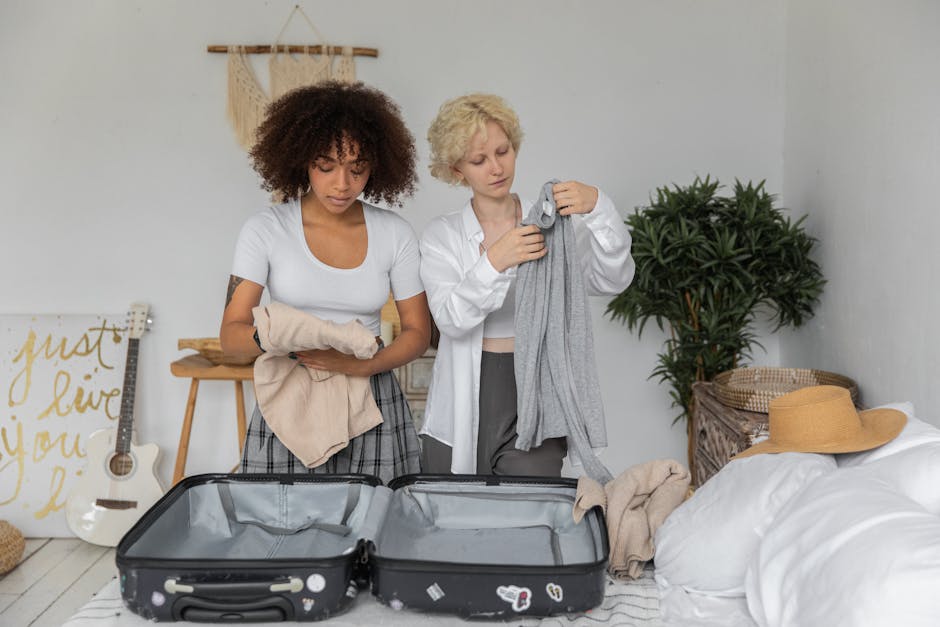
Beginners often overpack due to uncertainty. Without experience, it’s easy to assume you’ll need extra clothes, shoes, toiletries, or gadgets “just in case.” But most travelers use only 60–70% of what they pack. Overpacking leads to physical strain, missed flights due to overweight bags, and wasted time rummaging through cluttered luggage. Airlines charge steep fees for checked bags, and many destinations offer laundry services or stores where you can buy what you need. Recognizing these realities helps shift the mindset from “more is better” to “less is manageable.”
Start with a Packing List Template
Create a reusable packing list tailored to your trip type. For a 5-day city break, you might need five outfits, one pair of comfortable shoes, travel-sized toiletries, and essential electronics. For beach vacations, include swimwear, sunscreen, and a hat. Always adjust based on climate, activities, and trip length. Use apps or printable templates to stay organized. A good list prevents impulse additions and ensures you don’t forget critical items like chargers, medications, or travel documents.
Essential Categories to Include
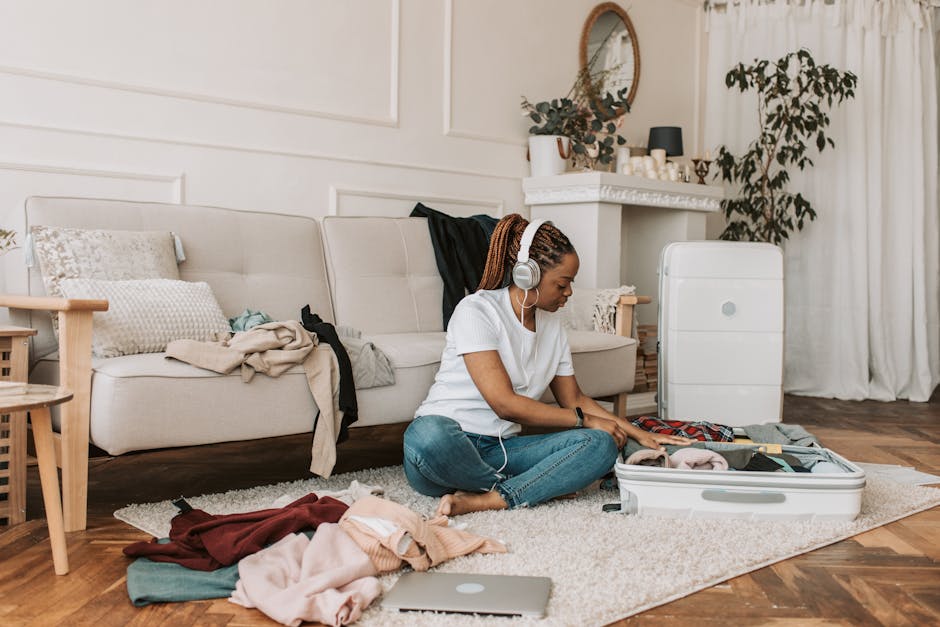
- Clothing: Base on weather and activities. Pack mix-and-match pieces in neutral colors.
- Toiletries: Use travel-sized containers. Many hotels provide basics like shampoo and soap.
- Electronics: Phone, charger, power bank, and adapters if traveling internationally.
- Documents: Passport, ID, tickets, insurance, and digital backups.
- Health & Safety: Medications, first-aid kit, hand sanitizer, and masks if needed.
Choose the Right Luggage
Your bag choice affects how much you pack. A carry-on suitcase (around 20–22 inches) forces you to prioritize. Backpacks offer flexibility, especially for walking or public transit. Duffel bags are lightweight but less structured. Avoid large checked bags unless necessary—they encourage overpacking. Look for luggage with compartments to separate clean and dirty clothes, shoes, and electronics.
Carry-On vs. Checked Bag: When to Use Which
| Factor | Carry-On | Checked Bag |
|---|---|---|
| Cost | Usually free | Fees apply on most airlines |
| Convenience | No wait at baggage claim | Heavier items allowed |
| Risk | Lost luggage unlikely | Risk of delay or loss |
| Best For | Short trips, city travel | Long vacations, winter gear |
Pack Versatile, Mix-and-Match Clothing
Smart packing means choosing clothes that work together. Stick to a color palette—navy, gray, black, or beige—so every top matches every bottom. Pack lightweight, wrinkle-resistant fabrics like merino wool or synthetic blends. A single pair of dark jeans can serve for casual dinners, city walks, or even a business meeting with the right top. Roll clothes instead of folding to save space and reduce wrinkles. Use packing cubes to group items: one for tops, one for bottoms, one for underwear.
Example: 5-Day Outfit Plan
- Day 1: Navy pants + white shirt + sneakers
- Day 2: Same pants + striped top + same sneakers
- Day 3: Jeans + gray sweater + sneakers
- Day 4: Navy pants + black top + dress shoes
- Day 5: Jeans + white shirt + sneakers
This plan uses only three bottoms, five tops, and two pairs of shoes. Layering a light jacket or cardigan covers temperature changes.
Limit Shoes and Accessories
Shoes take up space and weight. Most travelers only need two pairs: one for walking and one for dressier occasions. Wear your bulkiest shoes (like boots) on the plane. Pack flip-flops if heading to the beach or pool. Avoid bringing multiple “just in case” shoes—they rarely get used. Accessories like belts, scarves, and jewelry should be minimal. One or two versatile pieces can elevate multiple outfits.
Use Travel-Sized Toiletries and Multi-Use Products
Full-size toiletries quickly fill your bag. Use 3.4-ounce (100ml) containers for liquids, as required by TSA. Many brands offer travel versions of shampoo, conditioner, and body wash. Consider solid toiletries—like shampoo bars or toothpaste tablets—which are lightweight and leak-proof. A multi-use product like a tinted moisturizer with SPF replaces foundation, sunscreen, and moisturizer. Store liquids in a clear, resealable bag to comply with airport security.
Roll, Don’t Fold
Rolling clothes saves up to 30% more space than folding. It also reduces wrinkles and makes it easier to see what you’ve packed. Start with the largest items and roll tightly. Place rolled clothes vertically in your suitcase so you can view all items at once. Use compression bags for bulky items like sweaters or jackets, but avoid over-compressing delicate fabrics.
Pack by Category, Not by Day
Instead of packing “Day 1, Day 2,” organize by type: all shirts together, all pants together. This method helps you see what’s available and prevents forgetting essentials. It also makes repacking easier. Use packing cubes or zippered pouches to separate categories. Label them if needed. Keep frequently used items—like a travel pillow or book—on top.
Leave Room for Souvenirs
Many travelers forget to reserve space for items bought during the trip. Leave at least 10–15% of your bag empty. Bring a foldable tote bag for extra purchases. If checking a bag, consider shipping souvenirs home instead of carrying them. This avoids overweight fees and keeps your luggage manageable on the return flight.
Weigh Your Bag Before Leaving
Airline weight limits vary: most allow 50 lbs (23 kg) for checked bags and 15–22 lbs (7–10 kg) for carry-ons. Use a portable luggage scale to check weight at home. If over, remove non-essentials or transfer items to your personal bag. A heavy bag is harder to carry, especially on stairs or public transit.
Common Mistakes to Avoid
- Packing “just in case” items: You likely won’t use that formal dress or extra pair of heels.
- Bringing full-size toiletries: They’re heavy and often available at your destination.
- Overestimating outfit needs: You don’t need a new outfit every day.
- Ignoring laundry options: Many hotels and hostels offer laundry services.
- Packing at the last minute: Rushing leads to overpacking and forgotten essentials.
Final Travel Packing Tips for Beginners to Avoid Overpacking
Start small. Try a weekend trip with only a carry-on to build confidence. Use a checklist, pack versatile clothing, and resist the urge to bring extras. Remember: you can buy almost anything at your destination. Traveling light means more freedom, less stress, and a smoother journey. With practice, you’ll learn what you truly need—and what you can leave behind.
FAQ
How many outfits should I pack for a 7-day trip?
Pack 5–6 versatile outfits and re-wear key pieces like pants or jackets. Include one dressier option if needed. This reduces weight while covering all occasions.
Can I bring a carry-on and a personal bag on most airlines?
Yes. Most airlines allow one carry-on suitcase and one personal item like a backpack or purse, as long as they fit under the seat or in the overhead bin.
What should I do if my bag is overweight at the airport?
Remove non-essential items and place them in your personal bag or wear bulky clothing. If needed, pay the overweight fee or ship items home.