
How to Plan a Travel Itinerary Like a Pro Traveler
Planning a travel itinerary like a pro traveler means balancing efficiency, flexibility, and local insight. Instead of cramming every attraction into your schedule, you prioritize experiences that align with your interests, budget, and pace. A well-structured itinerary saves time, reduces stress, and helps you make the most of your trip—whether you’re exploring a single city or traveling across continents. This guide walks you through a practical, step-by-step approach to crafting a smart travel plan that feels intentional, not overwhelming.
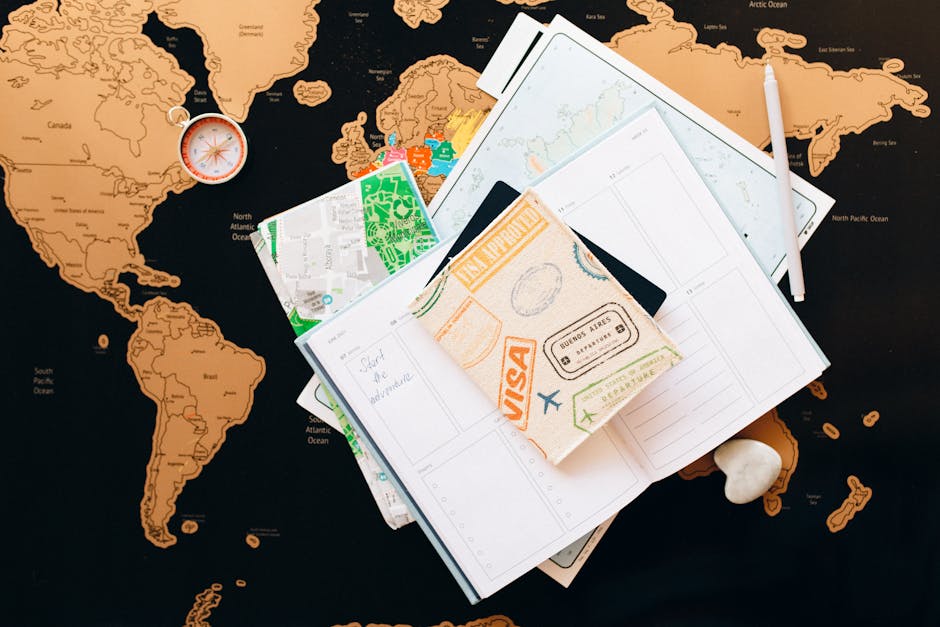
Start with Your Travel Goals and Constraints
Before booking flights or checking hotel reviews, define what you want from your trip. Are you seeking relaxation, adventure, cultural immersion, or culinary discovery? Your goals shape every decision that follows. Equally important are your constraints: budget, time, mobility, and travel companions. A family with young children will need a different pace than a solo backpacker. A week-long trip demands tighter scheduling than a month-long journey.
Begin by answering these key questions:

- How many days do I have?
- What’s my total budget, including hidden costs?
- Who am I traveling with, and what are their preferences?
- What type of experiences matter most to me?
For example, if your goal is to explore historical sites in Italy over 10 days, your itinerary will focus on Rome, Florence, and possibly Venice—each with dedicated time for major landmarks, local neighborhoods, and downtime. If you’re on a tight budget, you might prioritize free walking tours, regional trains over flights, and affordable accommodations in central locations.
Research Destinations and Prioritize Must-See Spots
Use trusted travel resources—guidebooks, tourism board websites, and reputable blogs—to identify top attractions and local favorites. Don’t rely solely on popular lists; dig deeper to find hidden gems. For instance, while the Eiffel Tower is a must in Paris, a pro traveler might also include a morning at Marché des Enfants Rouges or an evening jazz session in Saint-Germain.
Create a master list of potential activities, then rank them using this criteria:
- Uniqueness: Is this experience only available here?
- Time required: Can it realistically fit into your schedule?
- Cost: Does it align with your budget?
- Personal interest: Will you actually enjoy it?
Limit yourself to 2–3 major activities per day. Over-scheduling leads to burnout and rushed experiences. Remember, travel isn’t a checklist—it’s about connection and discovery.
Map Out Your Daily Flow with Realistic Timing
A pro traveler’s itinerary accounts for transit time, opening hours, and energy levels. Group nearby attractions to minimize travel. For example, in Kyoto, visit Fushimi Inari Shrine early, then explore the nearby Tofuku-ji Temple before heading to the Gion district in the afternoon.
Use tools like Google Maps to estimate walking or driving times between locations. Add buffer time—15 to 30 minutes—between activities for unexpected delays, rest, or spontaneous discoveries. Include meal breaks and downtime, especially in hot climates or during long travel days.
Here’s a sample day in Barcelona:
- 9:00 AM: Sagrada Família (book timed entry in advance)
- 11:00 AM: Walk through Gràcia neighborhood
- 12:30 PM: Lunch at a local tapas bar
- 2:00 PM: Park Güell (pre-book tickets)
- 4:00 PM: Relax at Ciutadella Park
- 7:00 PM: Dinner in El Born
Book in Advance—But Not Everything
Advance bookings are essential for popular attractions, train tickets, and accommodations. In cities like Paris, Rome, or Tokyo, skipping the line can save hours. Use official websites or trusted platforms like GetYourGuide or Tiqets for tickets.
However, avoid over-booking. Leave room for flexibility. If a local recommends a restaurant or a day trip, you’ll want the freedom to adjust. A good rule: book must-haves (flights, lodging, major museums), but keep meals and minor activities open.
Consider this comparison when deciding what to book ahead:
| Item | Book in Advance | Book On Arrival |
|---|---|---|
| International Flights | ✔️ (Best prices 6–8 weeks ahead) | ❌ (Prices rise closer to date) |
| Accommodation | ✔️ (Especially in peak season) | ⚠️ (Possible, but limited options) |
| Major Attractions | ✔️ (Avoids sold-out tickets) | ❌ (Long lines or closures) |
| Local Restaurants | ⚠️ (Only for high-end or popular spots) | ✔️ (Most casual places welcome walk-ins) |
| Day Trips | ✔️ (Guarantees spot and transport) | ⚠️ (Possible, but risky in busy areas) |
Use Digital Tools to Stay Organized
Modern travelers rely on apps and digital planners to keep everything in one place. Google Trips (now integrated into Google Travel) allows you to save flights, hotels, and activities in a timeline format. Notion or Trello can host detailed itineraries with links, notes, and checklists. Google Sheets works well for budget tracking and daily schedules.
Sync your itinerary across devices and share it with travel companions. Include essential details: confirmation numbers, addresses, emergency contacts, and local transportation tips. Save offline copies in case of poor internet access.
Avoid app overload. Stick to 1–2 core tools. The goal is simplicity, not complexity.
Build in Flexibility and Contingency Plans
Even the best-laid plans can go awry—flights get delayed, weather ruins outdoor plans, or you simply need a rest day. Pro travelers anticipate this by building flexibility into their itineraries.
Try these strategies:
- Schedule one “free day” per week for spontaneity or recovery.
- Have backup indoor activities for rainy days.
- Keep a list of nearby cafes, parks, or museums within walking distance of your hotel.
- Know your refund and cancellation policies for bookings.
For example, if your plan to hike Machu Picchu is canceled due to weather, having a backup day in Aguas Calientes with a visit to the hot springs or a local museum keeps your trip enjoyable.
Consider Local Insights and Seasonal Factors
Travel like a local by researching seasonal events, holidays, and typical crowd patterns. In Japan, cherry blossom season (late March to early April) is stunning but extremely busy. Visiting a week earlier or later can mean fewer crowds and lower prices.
Check local calendars for festivals, market days, or museum free-entry days. In Lisbon, many museums offer free admission on the first Sunday of the month. In New Orleans, avoid planning major outings during Mardi Gras unless you’re prepared for massive crowds and inflated prices.
Also consider daily rhythms: in Spain, many shops close between 2 PM and 5 PM; in Greece, dinner often starts after 9 PM. Adjust your schedule to match local life.
Review and Adjust Before You Go
A few days before departure, review your itinerary with a critical eye. Ask yourself:
- Does this feel rushed or balanced?
- Are travel days realistic?
- Do I have all necessary documents and bookings?
- Have I accounted for time zone changes or jet lag?
Make final adjustments. Share your itinerary with a trusted friend or family member. Include emergency contacts and your accommodation details.
Final Tips for a Stress-Free Trip
Even with a perfect itinerary, travel requires adaptability. Pack light, stay hydrated, and embrace the unexpected. Sometimes the best memories come from unplanned moments—a conversation with a local, a hidden alleyway, or a sudden downpour that leads to a cozy café.
Remember, the goal isn’t to see everything—it’s to experience something meaningful. A pro traveler’s itinerary isn’t about perfection; it’s about preparation, presence, and the freedom to enjoy the journey.
FAQ
How detailed should my travel itinerary be?
A good itinerary includes daily themes, key activities, and logistics like transport and meals, but avoids minute-by-minute scheduling. Aim for structure without rigidity—enough detail to stay on track, but room to breathe.
Should I plan every day of my trip in advance?
Not necessarily. Plan major activities and bookings in advance, but leave 1–2 days open for relaxation, local recommendations, or spontaneous exploration. Over-planning can lead to stress and missed opportunities.
What’s the best way to handle last-minute changes?
Stay calm and flexible. Have backup options, know your cancellation policies, and use apps to rebook quickly. Keep digital copies of important documents and stay in touch with your accommodation provider if plans shift.