
Travel Budget Planning Guide for Smart Travelers
Travel Budget Planning Guide for Smart Travelers starts with knowing your total trip cost and setting a realistic spending limit. Whether you’re heading to Bali, Barcelona, or Banff, a well-structured budget keeps you in control and helps avoid financial stress. This guide walks you through proven steps to estimate expenses, prioritize spending, track costs, and stretch your dollars further—without sacrificing experience.
Why a Travel Budget Matters
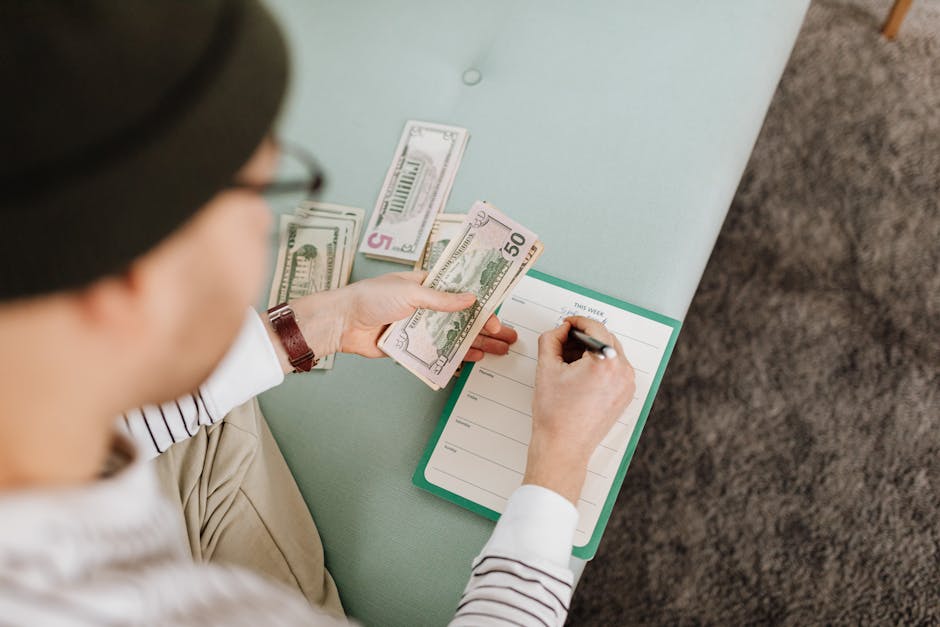
A travel budget isn’t about restriction—it’s about freedom. When you plan ahead, you can enjoy meals at local restaurants, book that sunset cruise, or upgrade your accommodation without second-guessing every purchase. Without a budget, unexpected costs pile up fast: currency exchange fees, last-minute transport, or inflated tourist-area prices. A clear financial plan lets you travel confidently, knowing you’re prepared for both essentials and extras.
Step-by-Step: How to Build Your Travel Budget
Creating a realistic travel budget takes five focused steps. Follow them in order for the best results.
1. Estimate Your Total Trip Cost
Start by listing all major expense categories:
- Transportation: Flights, trains, rental cars, airport transfers
- Accommodation: Hotels, hostels, vacation rentals
- Food: Meals, snacks, drinks
- Activities: Tours, attractions, entrance fees
- Miscellaneous: Souvenirs, tips, travel insurance, SIM cards
For example, a one-week trip to Lisbon might break down like this:
- Round-trip flight: $650
- Hostel (6 nights): $240
- Daily food budget ($40/day): $280
- Public transit pass: $30
- Day trip to Sintra: $50
- Travel insurance: $45
Total estimated cost: $1,295. This number becomes your baseline.
2. Set a Realistic Daily Spending Limit
Divide your remaining budget (after fixed costs like flights and lodging) by the number of travel days. In the Lisbon example, after subtracting $965 in fixed costs, you have $330 left for 7 days—about $47 per day. This covers food, local transport, and small activities. Adjust based on destination: $30/day works in Vietnam, while $100/day may be tight in Switzerland.
3. Research Destination-Specific Costs
Use trusted sources like Numbeo, Google Travel, or local tourism boards to compare prices. A coffee in Tokyo costs around $3, while in Mexico City it’s under $2. Knowing these differences helps you allocate funds wisely. Also, note seasonal price swings: summer in Europe means higher rates; shoulder seasons offer better value.
4. Choose the Right Payment Tools
Avoid foreign transaction fees by using a no-fee travel credit card or a multi-currency debit card like Wise or Revolut. Withdraw local cash from ATMs affiliated with major banks to reduce fees. Carry a backup card and notify your bank of travel dates to prevent blocks.
5. Track Spending in Real Time
Use a simple app like Trail Wallet, Splitwise, or even a Google Sheet to log every expense. Review daily to stay on track. If you overspend on food one day, adjust by choosing free walking tours the next.
Smart Ways to Save Without Sacrificing Experience
Stretching your budget doesn’t mean skipping out on fun. These strategies help you save while still enjoying authentic experiences.
Book Flights and Accommodation Early
Airfare and lodging often increase as travel dates approach. Set price alerts on Google Flights or Skyscanner. For hotels, consider booking refundable rates early, then rebooking if prices drop. Hostels and guesthouses offer great value, especially in cities with strong public transit.
Eat Like a Local
Skip tourist traps near major attractions. Walk a few blocks away to find family-run cafes and street food stalls. In Bangkok, a $2 pad thai from a market stall tastes better than a $15 version near the Grand Palace. Markets and grocery stores also let you picnic affordably.
Use Free and Low-Cost Activities
Many cities offer free museum days, walking tours (tip-based), and public parks. In Paris, the Louvre is free for EU residents under 26; in New York, the Museum of Modern Art has free Friday evenings. Apps like Meetup or local Facebook groups list free cultural events.
Travel Off-Peak When Possible
Shoulder seasons (spring and fall in most regions) offer lower prices, fewer crowds, and pleasant weather. A September trip to Italy means cheaper flights and hotels compared to July, with similar weather and open attractions.
Common Budgeting Mistakes to Avoid
Even careful planners make errors. Watch for these traps:
- Underestimating daily costs: Budgeting $20/day for food in Paris is unrealistic—$40–$50 is more accurate.
- Ignoring hidden fees: Resort fees, baggage charges, and dynamic currency conversion can inflate bills.
- Not budgeting for emergencies: Set aside 5–10% of your total budget for unexpected costs like medical visits or missed flights.
- Over-relying on credit: It’s easy to overspend when swiping a card. Use cash for discretionary spending to stay aware.
Sample Budget Comparison: Two Trips, Different Styles
Here’s how two travelers with the same $1,500 budget can have very different experiences:
| Category | Budget Backpacker (Thailand, 10 days) | Comfort Traveler (Portugal, 7 days) |
|---|---|---|
| Flights | $700 | $650 |
| Accommodation | $150 (hostels) | $490 (mid-range hotels) |
| Food | $150 ($15/day) | $280 ($40/day) |
| Activities & Transport | $200 | $180 |
| Miscellaneous | $100 | $100 |
| Total | $1,300 | $1,700 (over by $200) |
The backpacker stays within budget by choosing low-cost lodging and food, while the comfort traveler exceeds it due to higher accommodation costs. Both can succeed with adjustments—like choosing guesthouses or cooking some meals.
Final Tips for Sticking to Your Budget
- Start saving early: Set up a dedicated travel fund and automate small weekly deposits.
- Be flexible with dates: Shifting your trip by a few days can save hundreds on flights.
- Use reward points: Redeem airline miles or hotel points for free nights or upgrades.
- Review and adjust: After your trip, analyze what you spent versus planned. Use insights for future trips.
FAQ
How much should I budget per day for travel?
Daily budgets vary by destination. In Southeast Asia, $30–$50 covers basics; in Western Europe, $70–$120 is typical. Research your specific city and adjust for your travel style.
Should I exchange money before I travel?
Generally, no. You’ll get better rates at local banks or ATMs upon arrival. Withdraw larger amounts less frequently to minimize fees. Avoid airport exchange counters—they often charge high margins.
What’s the best way to track travel expenses?
Use a dedicated app like Trail Wallet or a simple spreadsheet. Log every expense daily, categorize spending, and review totals to stay within your limit. Cash envelopes work well for discretionary categories like food and souvenirs.
Conclusion
A solid Travel Budget Planning Guide for Smart Travelers empowers you to explore the world without financial worry. By estimating costs, setting limits, choosing smart payment methods, and tracking spending, you gain control and peace of mind. With practical strategies and real examples, this guide helps you make informed decisions—so you can focus on what matters: the journey.