
How to Travel Stress-Free with Proper Planning Tips
Traveling doesn’t have to be stressful. With thoughtful preparation and smart organization, you can enjoy a smooth, relaxing trip from departure to return. The key lies in how to travel stress-free with proper planning tips tailored to your destination, budget, and travel style. Whether you’re heading out for a weekend getaway or an international adventure, a few strategic steps can prevent common pitfalls like missed flights, lost luggage, or last-minute accommodation scrambles. This guide walks you through essential strategies—from pre-trip checklists to in-transit comfort—so you spend less time worrying and more time exploring.
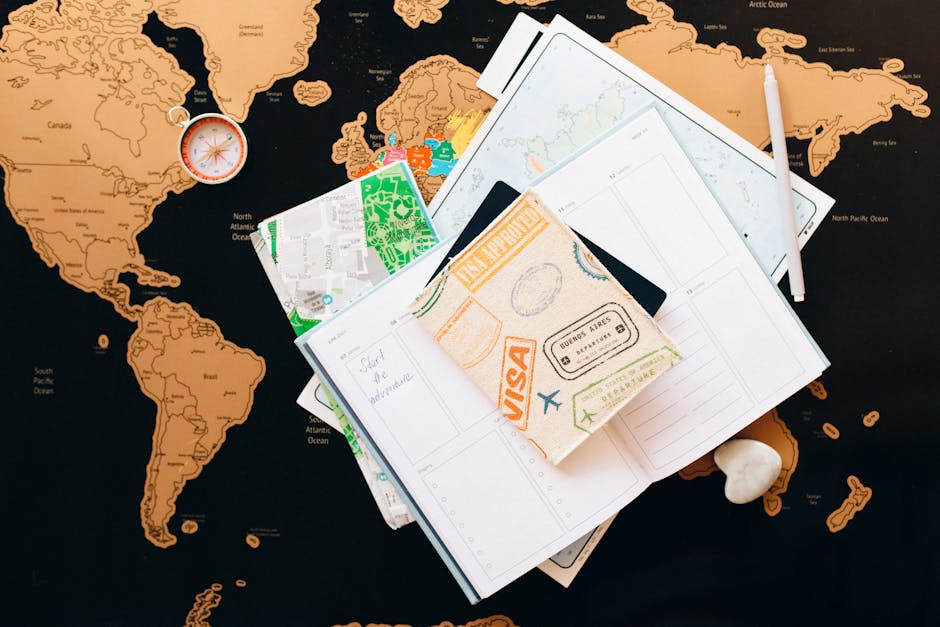
Start Early: The Foundation of Stress-Free Travel
One of the most effective ways to reduce travel anxiety is to begin planning well in advance. Rushing through bookings or packing the night before often leads to oversights and frustration. Aim to finalize major arrangements—flights, accommodations, and transportation—at least 4–6 weeks ahead for domestic trips and 8–12 weeks for international travel.
Early planning gives you access to better prices, more options, and time to resolve unexpected issues. For example, booking flights on a Tuesday afternoon or using fare alerts can save hundreds. Similarly, reserving popular restaurants or attractions ahead of time ensures you won’t miss out due to limited availability.

Create a Master Travel Checklist
A detailed checklist keeps you on track and prevents forgotten essentials. Break it down into categories:
- Documents: Passport, visa, ID, travel insurance, vaccination records, printed or digital copies
- Electronics: Phone, charger, power bank, adapters, camera
- Clothing: Weather-appropriate outfits, sleepwear, shoes, accessories
- Health & Toiletries: Medications, first-aid kit, sunscreen, toiletries in travel-sized containers
- Miscellaneous: Snacks, reusable water bottle, travel pillow, entertainment (books, downloads)
Review your list weekly as your trip approaches and adjust based on weather forecasts or itinerary changes.
Choose the Right Accommodations and Transportation
Where and how you stay and move around significantly impacts your travel experience. Opt for accommodations with reliable reviews, clear cancellation policies, and convenient locations. Proximity to public transit or city centers reduces time spent commuting and lowers stress.
For transportation, compare options based on cost, time, and comfort. A direct flight may cost more but saves hours and avoids layover hassles. Trains can offer scenic routes and more legroom, while rental cars provide flexibility—especially in rural areas.
Transportation Comparison
| Option | Best For | Pros | Cons |
|---|---|---|---|
| Direct Flight | Long distances, tight schedules | Fast, minimal transit time | Higher cost, airport security delays |
| Train | Regional travel, scenic routes | Comfortable, city-center access | Slower than flying, limited coverage |
| Rental Car | Exploring rural areas, group travel | Flexibility, door-to-door convenience | Parking fees, traffic, navigation stress |
Pack Smart to Avoid Common Travel Hassles
Overpacking or underpacking can both cause stress. Stick to a capsule wardrobe—mix-and-match clothing in neutral colors—and use packing cubes to stay organized. Roll clothes instead of folding to save space and reduce wrinkles.
Always keep essentials in your carry-on: medications, a change of clothes, toiletries, and important documents. This ensures you’re prepared even if checked luggage is delayed or lost. Check airline size and weight restrictions before packing to avoid surprise fees.
Use digital tools like packing apps or shared Google Docs with travel companions to coordinate and avoid duplicates. Label your luggage with a distinctive tag or ribbon to make it easier to identify on the carousel.
Stay Organized Digitally and Physically
Modern travel relies heavily on digital tools. Store all bookings, confirmations, and itineraries in one place—Google Drive, iCloud, or a dedicated travel app. Enable offline access so you can view details without Wi-Fi.
Use apps for real-time updates: flight trackers, transit schedules, and weather alerts. Set up notifications for gate changes or delays. For international trips, download translation apps and offline maps.
Keep physical backups too. Print boarding passes, hotel confirmations, and emergency contacts. Store them in a waterproof document holder in your carry-on.
Prepare for the Unexpected
Even the best-laid plans can go awry. Build flexibility into your itinerary by leaving buffer time between activities and avoiding back-to-back bookings. Purchase travel insurance that covers trip cancellations, medical emergencies, and lost luggage.
Know your rights as a traveler. Airlines must compensate for significant delays or cancellations under certain regulations. Keep receipts for unexpected expenses—many insurance policies reimburse reasonable costs.
Share your itinerary with a trusted friend or family member. Include flight numbers, hotel addresses, and emergency contacts. Check in periodically, especially when traveling solo or to unfamiliar destinations.
Manage Stress During Transit
Airports and transit hubs can be overwhelming. Arrive early—two hours for domestic, three for international flights—to allow time for check-in, security, and unexpected delays. Use TSA PreCheck or Global Entry if available to speed up screening.
Stay hydrated, move regularly, and avoid excessive caffeine. Noise-canceling headphones, a neck pillow, and calming music can make long waits more bearable. If possible, choose seats near the front or with extra legroom for added comfort.
Keep a small “travel survival kit” in your bag: hand sanitizer, tissues, mints, a pen, and a reusable utensil set. These small items can make a big difference in comfort and hygiene.
Enjoy the Journey, Not Just the Destination
Stress-free travel isn’t just about logistics—it’s about mindset. Accept that not everything will go perfectly, and that’s okay. A delayed flight or missed bus can lead to unexpected discoveries. Stay present, take photos, and engage with locals.
Set realistic expectations. You don’t need to see everything or stick rigidly to a schedule. Allow time to rest, reflect, and simply enjoy being somewhere new.
Finally, unplug when you can. Constantly checking emails or social media adds mental clutter. Designate tech-free times to truly recharge and connect with your surroundings.
Final Thoughts on Stress-Free Travel
Learning how to travel stress-free with proper planning tips transforms travel from a source of anxiety into a source of joy. It’s not about perfection—it’s about preparation, flexibility, and awareness. By starting early, staying organized, and preparing for the unexpected, you set yourself up for a smoother, more enjoyable experience.
Remember, the goal isn’t to eliminate all challenges but to handle them with confidence. With these strategies, you’ll spend less time worrying and more time making memories.
FAQ
What should I do if my flight is delayed or canceled?
Stay calm and check with airline staff for rebooking options. Use flight tracking apps for real-time updates. If the delay is significant, ask about meal vouchers or hotel accommodations. Know your passenger rights and document all expenses for potential reimbursement.
How much should I budget for unexpected travel costs?
Set aside 10–15% of your total travel budget for emergencies. This can cover missed connections, last-minute transportation, medical needs, or souvenir purchases. Having a buffer prevents financial stress during your trip.
Is travel insurance worth it?
Yes, especially for international trips or expensive bookings. Good travel insurance covers trip cancellations, medical emergencies, lost luggage, and delays. Read the policy carefully to understand what’s included and excluded.