
Best Cultural Destinations for History Lovers Travel
For travelers who find wonder in ancient ruins, centuries-old traditions, and the stories embedded in city walls, the world offers countless cultural destinations that bring history to life. Whether you’re drawn to the grandeur of imperial capitals, the mystery of lost civilizations, or the quiet dignity of preserved heritage towns, these best cultural destinations for history lovers travel deliver immersive experiences grounded in authenticity and depth. From the cobbled streets of European medieval towns to the temple complexes of Southeast Asia, each location offers a unique window into the past—without sacrificing modern comfort or accessibility.

Why History Lovers Seek Out Cultural Destinations
History isn’t just found in textbooks—it’s experienced through architecture, local customs, archaeological sites, and the living traditions of communities. Travelers interested in history often seek destinations where the past is not just preserved but actively respected and interpreted. These journeys allow for deeper understanding, connecting personal curiosity with tangible places and people. Unlike generic sightseeing, cultural travel encourages reflection, context, and a sense of continuity across generations.
What Makes a Destination Historically Significant?
- Archaeological integrity: Sites with well-preserved ruins or ongoing research, such as Pompeii or Angkor Wat.
- Living heritage: Locations where traditions, crafts, and languages continue, like Kyoto’s geisha districts or Fez’s medina.
- Historical documentation: Cities with extensive archives, museums, and scholarly attention, such as Rome or Istanbul.
- Cultural layering: Places shaped by multiple civilizations, evident in architecture and urban planning, like Jerusalem or Istanbul.
Top 8 Cultural Destinations for History Lovers
Below are eight destinations that consistently rank among the most rewarding for history-focused travelers. Each offers a distinct historical narrative, accessible sites, and opportunities for meaningful engagement with the past.
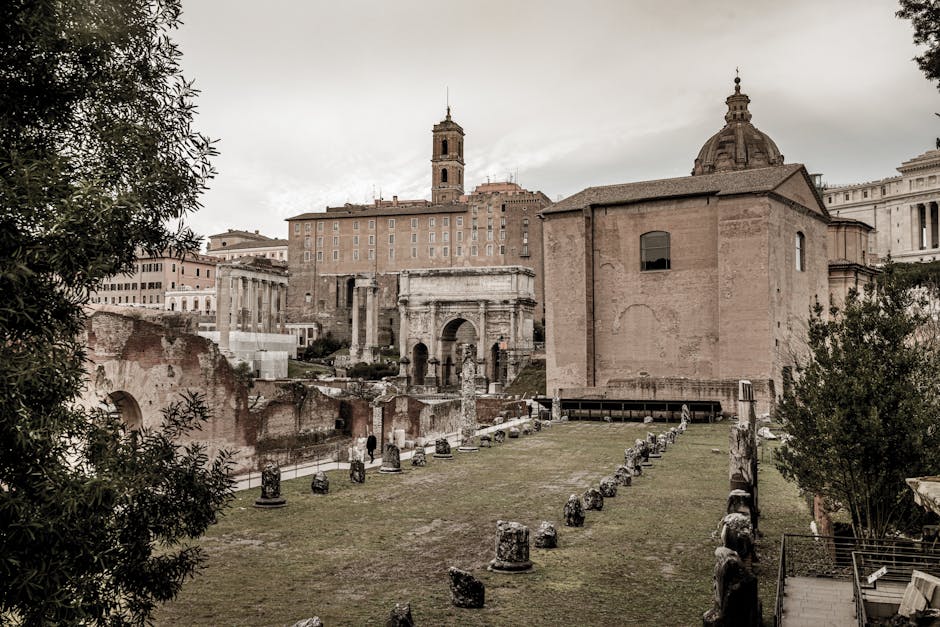
1. Rome, Italy
Rome stands as a living museum of Western civilization. From the Colosseum to the Pantheon, the city’s ancient core reveals layers of Roman, Renaissance, and Baroque influence. The Vatican Museums and St. Peter’s Basilica add religious and artistic depth, while neighborhoods like Trastevere preserve medieval charm. Guided tours of the Roman Forum or underground catacombs offer context often missing from self-guided visits.
2. Kyoto, Japan
As Japan’s former imperial capital, Kyoto safeguards over 2,000 temples, traditional wooden machiya houses, and seasonal festivals dating back centuries. Sites like Kinkaku-ji (Golden Pavilion) and Fushimi Inari Shrine illustrate the blend of Shinto and Buddhist traditions. The city’s geisha culture in Gion and preserved tea houses provide rare glimpses into pre-modern Japanese life.
3. Istanbul, Turkey
Straddling Europe and Asia, Istanbul has served as the capital of the Roman, Byzantine, and Ottoman empires. The Hagia Sophia, Blue Mosque, and Topkapi Palace reflect its imperial legacy. The Grand Bazaar and Spice Bazaar reveal centuries of trade and craftsmanship. Visitors should allocate time for the Basilica Cistern and the city’s lesser-known Byzantine churches.
4. Cairo and Luxor, Egypt
No list of cultural destinations is complete without Egypt. The Pyramids of Giza, the Sphinx, and the Valley of the Kings in Luxor offer direct access to ancient Egyptian civilization. The Egyptian Museum in Cairo houses Tutankhamun’s treasures, while Nile cruises between Luxor and Aswan include stops at Karnak and Philae temples. Note: Some sites require advance booking due to preservation efforts.
5. Athens, Greece
The birthplace of democracy and Western philosophy, Athens centers around the Acropolis and Parthenon. The Acropolis Museum and Ancient Agora provide context for daily life in classical Greece. Nearby Delphi and Mycenae offer day-trip opportunities to explore oracle sites and Bronze Age palaces. English signage and audio guides make these sites accessible to international visitors.
6. Cusco and Machu Picchu, Peru
Once the heart of the Inca Empire, Cusco blends indigenous and Spanish colonial architecture. The nearby Sacred Valley contains ruins like Ollantaytambo and Pisac. Machu Picchu, perched high in the Andes, remains one of the most iconic archaeological sites in the world. Due to conservation rules, entry is limited and requires advance reservation.
7. Fez, Morocco
Fez’s medina, a UNESCO World Heritage Site, is one of the world’s largest car-free urban areas and a masterpiece of medieval Islamic architecture. The Al Quaraouiyine University, founded in 859 CE, is considered the oldest existing degree-granting university. Tannery workshops, mosaic tile factories, and narrow alleyways offer an authentic look at North African urban life.
8. Kyoto, Japan (Reinforced for Cultural Depth)
Revisiting Kyoto underscores its unparalleled role in preserving Japanese heritage. Unlike Tokyo’s modern skyline, Kyoto maintains strict building codes to protect its historical character. Seasonal events like cherry blossom viewing (hanami) and autumn foliage tours are deeply rooted in centuries-old traditions.
How to Plan a History-Focused Cultural Trip
Effective planning ensures you maximize your time and deepen your understanding. Follow these practical steps:
- Research historical context: Read books or watch documentaries about your destination before traveling. Knowing the timeline of empires, key figures, and cultural shifts enhances on-site appreciation.
- Prioritize must-see sites: Create a shortlist based on significance, accessibility, and opening hours. Avoid over-scheduling—allow time for reflection and unexpected discoveries.
- Book guided tours: Local historians or certified guides provide insights not found in guidebooks. Look for small-group or private tours for personalized attention.
- Respect local customs: Dress modestly at religious sites, follow photography rules, and support local artisans by purchasing authentic crafts.
- Use audio guides and apps: Many museums and ruins offer digital tools in multiple languages. Download offline maps and content before arrival.
Comparing Key Cultural Destinations
The table below highlights essential details to help you choose the right destination based on your interests.
| Destination | Key Historical Period | Must-Visit Site | Best Time to Visit | Accessibility |
|---|---|---|---|---|
| Rome, Italy | Roman Empire, Renaissance | Colosseum, Vatican City | April–June, September–October | High (paved paths, elevators at major sites) |
| Kyoto, Japan | Heian Period, Edo Period | Kinkaku-ji, Fushimi Inari | March–May, October–November | Moderate (some temple steps, crowded paths) |
| Istanbul, Turkey | Byzantine, Ottoman | Hagia Sophia, Topkapi Palace | April–May, September–October | Moderate (uneven terrain in old city) |
| Luxor, Egypt | Ancient Egypt (New Kingdom) | Valley of the Kings, Karnak | November–February | Moderate (heat, limited shade) |
| Cusco, Peru | Inca Empire, Spanish Colonial | Machu Picchu, Sacsayhuamán | May–September | Challenging (high altitude, steep paths) |
Common Mistakes to Avoid
- Rushing through sites: Allocate at least half a day for major ruins or museums. Quick visits reduce comprehension and enjoyment.
- Ignoring local guides: Self-guided tours lack narrative depth. A knowledgeable guide can explain symbolism, construction techniques, and historical impact.
- Overlooking lesser-known sites: While iconic landmarks are essential, nearby villages, museums, or archaeological zones often offer richer, less crowded experiences.
- Failing to check entry requirements: Some sites require advance booking, have seasonal closures, or restrict photography. Always verify official websites.
Final Thoughts on Cultural Travel
The best cultural destinations for history lovers travel are those that balance preservation with accessibility, offering both grand monuments and intimate encounters with the past. Whether you’re tracing the footsteps of emperors in Rome, meditating in a Kyoto temple, or decoding hieroglyphs in Luxor, these journeys foster a deeper appreciation for human achievement and resilience. By planning thoughtfully and traveling respectfully, you ensure that these historical treasures remain vibrant for future generations.
FAQ
What should I pack for a history-focused trip?
Bring comfortable walking shoes, a lightweight scarf for temple visits, a refillable water bottle, and a small notebook for observations. A portable charger and offline maps are also useful, especially in remote areas.
Are guided tours worth the cost?
Yes, particularly at complex sites like the Roman Forum or Machu Picchu. Guides provide context, skip-the-line access, and insights that enhance understanding and save time.
How can I travel responsibly to historical sites?
Follow site rules, avoid touching fragile structures, support local businesses, and choose eco-conscious accommodations. Consider visiting during off-peak seasons to reduce overcrowding.