
How to Pack Efficiently for Long Travel Trips
Packing efficiently for long travel trips means carrying everything you need without overloading your luggage. It’s about smart choices—selecting versatile clothing, minimizing toiletries, and organizing gear so you can move freely between destinations. Whether you’re backpacking across continents or spending weeks in a single country, efficient packing reduces stress, saves time at security checks, and prevents back pain from heavy bags. This guide walks you through practical strategies to pack light, stay organized, and avoid common mistakes that weigh down even experienced travelers.
Start with the Right Luggage
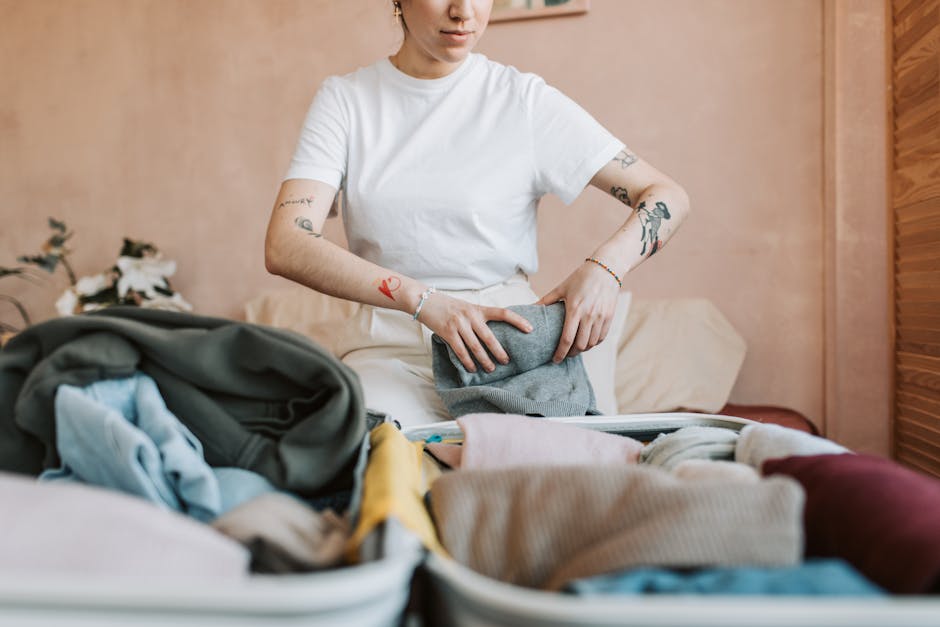
The foundation of efficient packing begins with choosing the right bag. For long trips, a 40–50 liter backpack or a carry-on sized suitcase (under 22 x 14 x 9 inches) works best. These sizes meet most airline carry-on requirements and force you to prioritize. Hard-shell suitcases offer protection but are heavier; soft-sided bags are lighter and more flexible in tight spaces. Look for models with multiple compartments, compression straps, and durable zippers.
If you’re traveling for several months, consider a backpack with a detachable daypack. This allows you to leave your main bag at a hostel or hotel while exploring cities. Avoid checked bags when possible—losing luggage is a real risk, and carrying your own bag saves time and money.
Plan Your Wardrobe Strategically
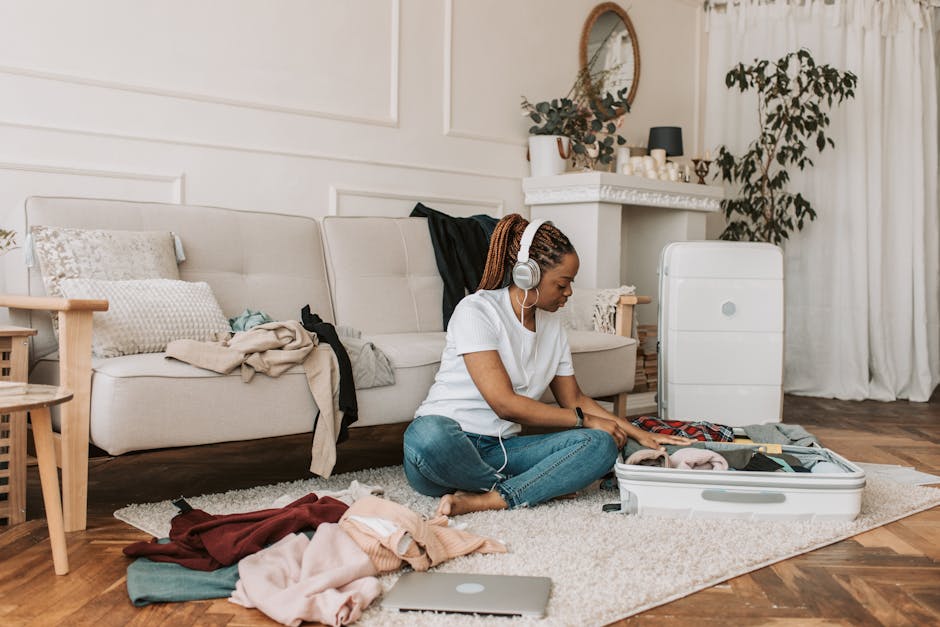
Clothing takes up the most space, so plan outfits around versatility and climate. Stick to a neutral color palette—navy, gray, black, or olive—so pieces mix and match easily. Pack clothing that can be layered: a lightweight merino wool base layer, a fleece or sweater, and a waterproof shell cover most conditions.
- Shirts: 3–5 tops (mix of short and long sleeves)
- Bottoms: 2–3 pairs (one casual, one semi-formal if needed)
- Underwear & socks: One pair per day plus one extra
- Sleepwear: Lightweight set
- Shoes: Two pairs max—one walking shoe and one casual or dress option
Wear your bulkiest items—like boots or a jacket—on travel days. Roll clothes instead of folding to save space and reduce wrinkles. Use packing cubes to group items (e.g., tops, bottoms, underwear) so you can find what you need without unpacking everything.
Minimize Toiletries and Personal Care Items
Toiletries are heavy and often overpacked. Bring only what you’ll realistically use. Use travel-sized containers (3.4 oz or 100 ml max for liquids) and refill them from larger bottles at home. Many hotels and hostels provide shampoo and soap, so skip duplicates.
| Item | Recommended Quantity | Tip |
|---|---|---|
| Toothbrush & toothpaste | 1 set | Use a travel case to protect bristles |
| Deodorant | 1 stick or roll-on | Solid forms last longer than sprays |
| Shampoo & body wash | 1 combined bottle or two small ones | Look for 2-in-1 formulas |
| Sunscreen | 1 small bottle (SPF 30+) | Reapply every 2 hours outdoors |
| Medications | 7–10 day supply in original packaging | Carry prescriptions and a basic first-aid kit |
Consider solid toiletries—shampoo bars, soap bars, and toothpaste tablets—which are lighter, leak-proof, and often more eco-friendly. Store liquids in a clear, resealable quart-sized bag to comply with TSA rules and prevent spills.
Pack Smart Electronics and Accessories
Electronics add weight and require organization. Bring only what you’ll use regularly. A smartphone, charger, and universal adapter cover most needs. If you’re working remotely, a lightweight laptop or tablet may be necessary—but assess if it’s truly essential.
- Chargers: One per device; consider a multi-port USB charger
- Power bank: 10,000 mAh capacity for emergency phone charging
- Adapter: Universal plug adapter for international outlets
- Headphones: Noise-canceling if flying frequently
- Camera: Only if you’re serious about photography
Use a small tech pouch to keep cables, adapters, and memory cards together. Label cords with colored tape to avoid confusion. Turn off devices and remove batteries if storing for long periods.
Use Packing Techniques to Maximize Space
How you pack matters as much as what you pack. Rolling clothes saves up to 30% more space than folding and reduces creasing. Place heavier items at the bottom and closer to your back (in a backpack) for better weight distribution.
Fill shoes with socks, chargers, or small items to use dead space. Use compression sacks for bulky but lightweight gear like down jackets or sleeping bags. Keep frequently used items—passport, ticket, wallet—in an easily accessible outer pocket.
Avoid overpacking by using the “one in, one out” rule: if you buy something new during your trip, remove an item of similar weight to balance your load.
Prepare for Security and Customs
Long trips often involve multiple flights and border crossings. Know the rules: liquids must be under 3.4 oz (100 ml) and fit in one quart-sized bag. Electronics larger than a phone (like laptops) must be removed during screening.
Keep important documents—passport, visa, travel insurance, itinerary—in a secure, waterproof folder. Make digital copies and store them in cloud storage. Declare restricted items (food, plants, large amounts of cash) to avoid fines.
If traveling internationally, check voltage requirements for your devices. Most modern chargers are dual-voltage (110–240V), but hair dryers and curling irons often are not.
Stay Organized Throughout Your Trip
Efficient packing doesn’t end at departure. Use packing cubes or ziplock bags to separate clean and dirty clothes. Designate a “dirty laundry” bag to contain odors and moisture. Re-pack daily to avoid clutter buildup.
Keep a small daypack or tote for daily excursions. It should hold your water bottle, snacks, map, and a light jacket. This reduces the need to carry your main bag everywhere.
At accommodations, unpack only what you need. Leave rarely used items (like formal shoes or extra layers) in your main bag to save time and space.
Avoid These Common Packing Mistakes
Even seasoned travelers make errors. Don’t pack “just in case” items—chances are you won’t use them. Avoid buying travel-sized versions of everything; many can be refilled or replaced locally.
Don’t forget to leave room for souvenirs. Start with a slightly under-packed bag so you can bring back gifts without overloading. And never pack valuable items—jewelry, extra cash, important documents—in checked luggage.
Finally, test your packed bag before leaving. Wear it for 10 minutes to check comfort and weight distribution. Adjust as needed.
Final Tips for Stress-Free Long-Term Travel
Efficient packing is a skill that improves with practice. Start small—try a weekend trip with only a carry-on—to refine your system. Research your destination’s weather and culture to avoid overpacking inappropriate clothing.
Use laundry services or hand-wash clothes every few days to reduce the number of outfits needed. Many hostels and hotels offer affordable washing facilities.
Remember: less is more. The lighter your load, the more freedom you’ll have to explore, change plans, and enjoy the journey.
FAQ
How many outfits should I pack for a 3-week trip?
Pack 5–7 versatile outfits that can be mixed and matched. Plan to do laundry every 5–7 days. This reduces weight and ensures you always have clean clothes.
Can I bring a full-size toiletry bottle in checked luggage?
Yes, but it’s not recommended. Full-size bottles are heavy and prone to leaks. Use travel-sized containers or buy toiletries at your destination to save space and weight.
What’s the best way to pack shoes to save space?
Stuff shoes with socks, underwear, or small items to maintain shape and use dead space. Place them at the bottom of your bag, soles facing out, and wrap in shower caps or plastic bags to protect clothes from dirt.