
Best Travel Essentials for International Trips
Planning an international trip? Packing the right gear can make or break your experience. The best travel essentials for international trips go beyond clothing and toiletries—they include practical tools, safety items, and smart accessories that help you navigate foreign airports, stay connected, and avoid common travel headaches. Whether you’re heading to Europe, Asia, or South America, a well-prepared traveler saves time, money, and stress. This guide covers must-have items, smart packing tips, and overlooked essentials that seasoned globetrotters swear by.
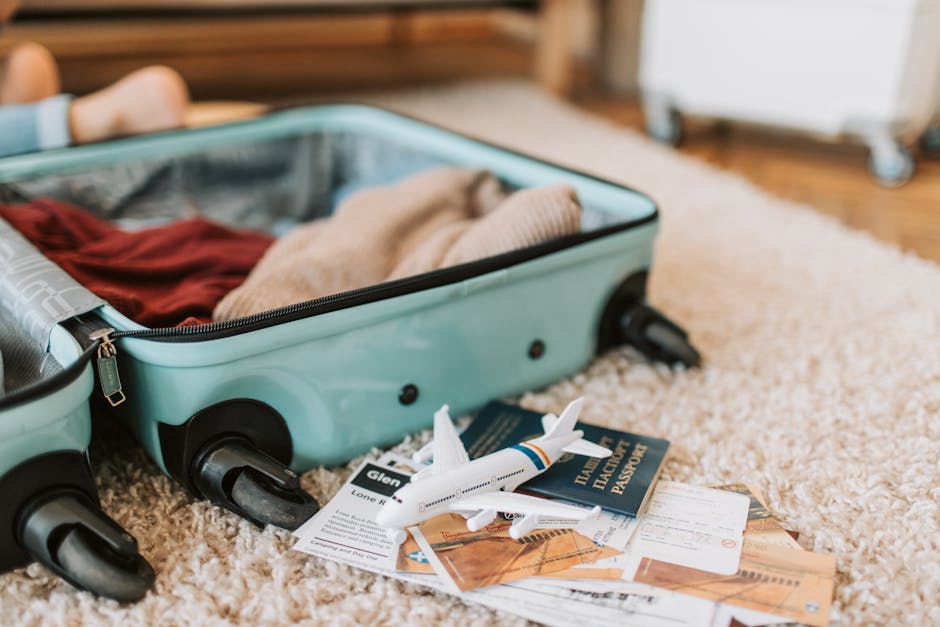
Why the Right Travel Essentials Matter
International travel introduces unique challenges: different power outlets, language barriers, customs regulations, and unpredictable weather. Without the right gear, simple tasks like charging your phone or staying hydrated can become frustrating. Investing in quality travel essentials ensures you’re prepared for the unexpected, from lost luggage to sudden rainstorms. More importantly, it helps you stay safe, comfortable, and efficient—so you can focus on enjoying your destination.
Top 10 Must-Have Travel Essentials
These items belong in every international traveler’s carry-on or suitcase:
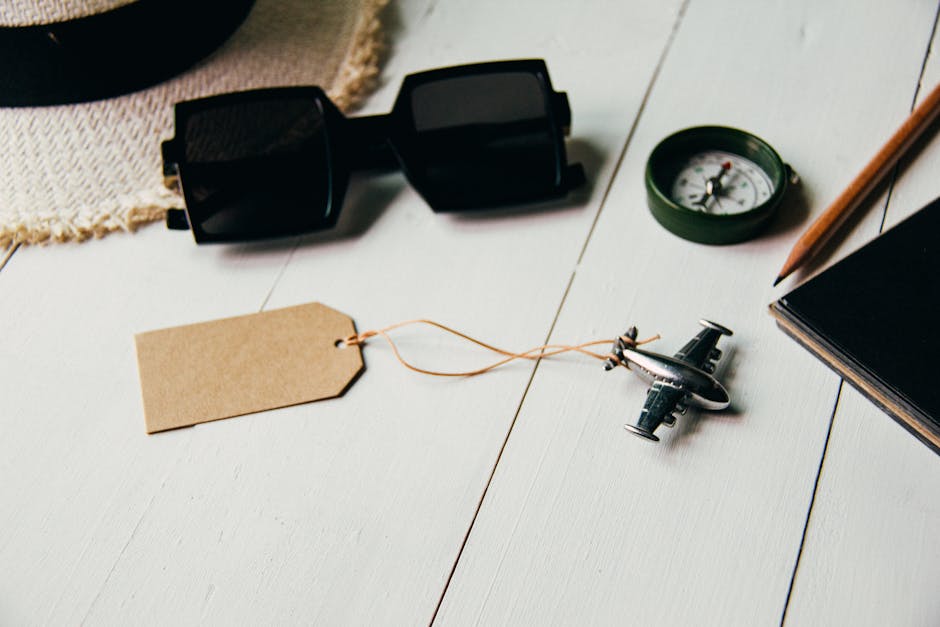
- Universal Power Adapter: Essential for charging devices in countries with different plug types. Look for one with USB ports and surge protection.
- Portable Charger (Power Bank): Keeps your phone alive during long layovers or days without reliable outlets. Choose one with at least 10,000mAh capacity.
- Packable Daypack: A lightweight, foldable backpack is perfect for day trips, shopping, or carrying snacks and water.
- Travel Wallet or Organizer: Holds passports, boarding passes, credit cards, and foreign currency in one secure place. RFID-blocking versions protect against digital theft.
- Reusable Water Bottle with Filter: Stay hydrated and reduce plastic waste. Models like LifeStraw or Brita Go filter water on the go.
- Noise-Canceling Headphones: Block out airplane engine noise and create a calm environment in busy airports or hostels.
- Compression Packing Cubes: Organize clothes and maximize suitcase space. They also help separate clean and dirty items.
- Travel-Sized Toiletries in TSA-Compliant Bottles: Use leak-proof containers under 3.4 oz (100ml) to breeze through security.
- First-Aid Kit: Include band-aids, pain relievers, antiseptic wipes, motion sickness tablets, and any personal medications.
- Digital Copies of Important Documents: Store scanned copies of your passport, visa, insurance, and itinerary in cloud storage or email them to yourself.
Smart Packing Strategies for International Travel
Even the best travel essentials won’t help if your bag is disorganized or overweight. Follow these packing strategies to travel smarter:
Roll, Don’t Fold
Rolling clothes instead of folding saves space and reduces wrinkles. It also makes it easier to see what you’ve packed without unpacking everything.
Use the 80/20 Rule
You’ll likely wear 20% of your clothes 80% of the time. Pack versatile, mix-and-match pieces in neutral colors. A capsule wardrobe reduces bulk and simplifies outfit planning.
Carry-On Only When Possible
Checked bags get lost, delayed, or damaged. If your trip is under two weeks, try to travel with just a carry-on and personal item. Airlines like Ryanair and Spirit charge high fees for checked luggage, so packing light saves money too.
Leave Room for Souvenirs
Pack your suitcase only two-thirds full. You’ll need space for gifts, local purchases, or extra items picked up along the way.
Tech Essentials You Shouldn’t Forget
Modern travel relies heavily on technology. Don’t let a dead battery or incompatible plug ruin your plans.
Smartphone with Offline Maps
Download offline maps from Google Maps or Maps.me before you go. You’ll save on data roaming and still navigate confidently in areas with poor signal.
eSIM or Local SIM Card
Instead of expensive international roaming, use an eSIM (like Airalo or Holafly) or buy a local SIM at your destination. This gives you affordable data and local phone access.
Travel Router or Pocket Wi-Fi
In countries with unreliable hotel Wi-Fi, a portable router can create a secure network for all your devices. Some models also double as power banks.
Safety and Security Essentials
Protecting yourself and your belongings is crucial abroad. These items add peace of mind without weighing you down.
Money Belt or Hidden Pouch
Wear a discreet money belt under your clothes to store cash, cards, and your passport. Pickpocketing is common in tourist areas like Rome, Bangkok, and Barcelona.
Doorstop Alarm
A compact doorstop that emits a loud alarm when moved adds security to hotel or hostel rooms, especially in unfamiliar areas.
Copies of Important Documents
Keep physical and digital copies of your passport, visa, travel insurance, and emergency contacts. Leave a set with a trusted friend at home.
Health and Comfort Items
Staying healthy and comfortable ensures you enjoy your trip to the fullest.
Hand Sanitizer and Disinfecting Wipes
Use these after touching high-contact surfaces like tray tables, handrails, or restroom doors. A small bottle goes a long way.
Eye Mask and Earplugs
Sleep is essential for adjusting to new time zones. A comfortable eye mask and reusable earplugs help you rest on planes, trains, or in noisy hostels.
Motion Sickness Remedies
Long flights, boat rides, or winding roads can cause nausea. Pack ginger chews, wristbands, or over-the-counter medication like Dramamine.
What to Leave Behind
Not everything belongs in your bag. Avoid these common overpacking mistakes:
- Too Many Shoes: Limit to two pairs—one for walking, one for dressier occasions. Shoes take up space and add weight.
- Full-Size Toiletries: Buy travel-sized versions or refillable containers. You can always purchase basics at your destination.
- Unnecessary Gadgets: Leave the hairdryer, straightener, or gaming console at home. Most hotels provide hairdryers, and you likely won’t use the rest.
- Excessive Cash: Carry only what you need for a few days. Use ATMs or credit cards for larger expenses to avoid loss or theft.
Comparison of Popular Travel Accessories
Not all travel gear is created equal. Below is a quick comparison of three essential items based on key features:
| Item | Best For | Key Feature | Price Range |
|---|---|---|---|
| Universal Adapter | Multi-country trips | Works in 150+ countries | $15–$30 |
| Packable Daypack | Day excursions | Folds into pocket, under 1 lb | $20–$50 |
| Portable Charger | Long travel days | 10,000mAh, dual USB ports | $25–$60 |
Final Tips for Stress-Free International Travel
Beyond packing the right gear, a few smart habits go a long way:
- Check visa and entry requirements early. Some countries require visas in advance or proof of onward travel.
- Notify your bank of travel plans. Prevent card freezes due to “suspicious” foreign transactions.
- Download translation apps. Google Translate or iTranslate can help with menus, signs, and basic conversations.
- Pack a change of clothes in your carry-on. In case your checked bag is delayed, you’ll have essentials for the first 24 hours.
- Stay hydrated and move regularly on long flights. This reduces jet lag and the risk of blood clots.
Conclusion
The best travel essentials for international trips are those that solve real problems—charging your phone abroad, staying safe in crowded areas, or keeping your belongings organized. By focusing on practical, versatile items and smart packing habits, you’ll travel lighter, safer, and more confidently. Start with the core list above, adjust based on your destination and trip length, and always prioritize comfort and security. With the right preparation, your next international adventure can be smooth, enjoyable, and memorable.
FAQ
What should I pack in my carry-on for an international flight?
Essentials include your passport, boarding pass, travel wallet, phone charger, portable battery, noise-canceling headphones, a change of clothes, and any medications. Keep valuables and critical items in your carry-on in case checked luggage is delayed.
Do I need a voltage converter for international travel?
Most modern electronics (like phones and laptops) are dual-voltage and only need a plug adapter. Check your device label—if it says “100–240V,” you don’t need a converter. Hair tools and older appliances may require one.
How can I avoid overpacking for a two-week trip?
Use packing cubes, stick to a capsule wardrobe with 5–7 core outfits, and limit shoes to two pairs. Roll clothes to save space and leave room for souvenirs. If you’re unsure about an item, leave it behind—you can usually buy what you need locally.