
Best Travel Photography Locations Around the World
Finding the best travel photography locations around the world means balancing iconic backdrops with unique perspectives. Whether you’re capturing golden-hour cityscapes, remote natural wonders, or vibrant cultural moments, the right destination can transform a good shot into a lasting image. This guide highlights top global destinations known for their photographic potential, offering practical insights on timing, access, and what makes each spot stand out. From Iceland’s otherworldly landscapes to Kyoto’s timeless temples, these locations deliver consistently compelling visuals for photographers of all levels.
Why Location Matters in Travel Photography
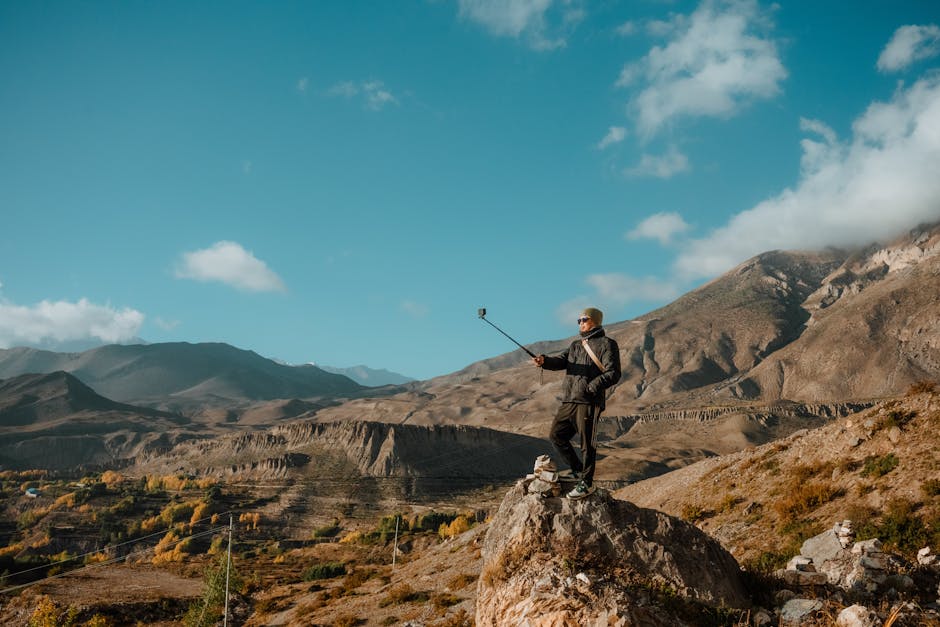
Great travel photography starts with place. While gear and technique matter, a powerful image often hinges on being in the right spot at the right time. The most photogenic destinations combine visual drama—light, texture, color, and composition—with accessibility and cultural richness. Choosing locations that offer seasonal variation, diverse subjects, and minimal crowd interference increases your chances of capturing authentic, striking images.
Consider factors like golden hour alignment, weather patterns, and local regulations. Some locations require permits or restrict drone use. Others shine only during specific months. Planning around these details ensures you don’t miss the shot—or break local rules.
Top 10 Best Travel Photography Locations Around the World
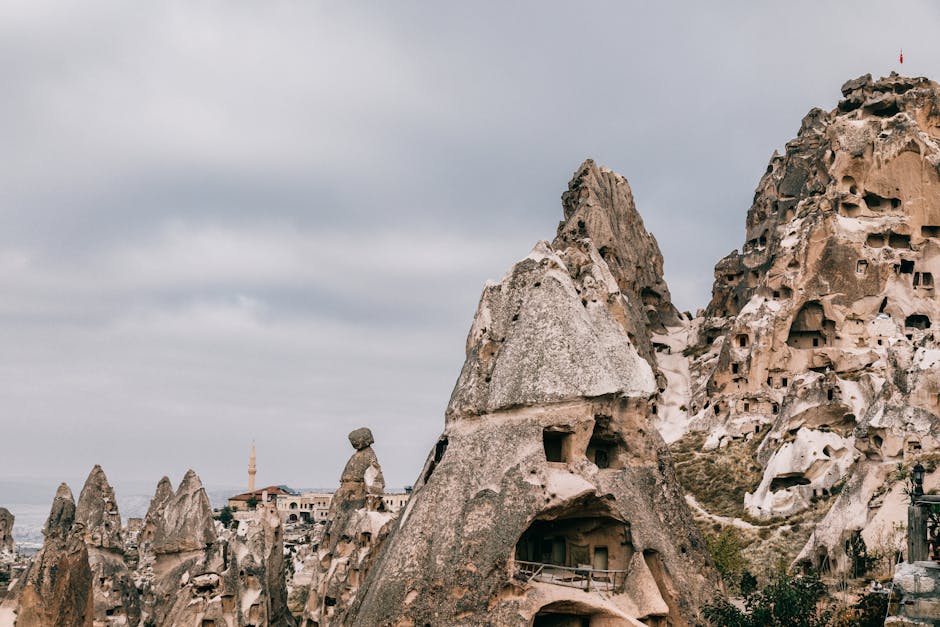
Below are ten destinations celebrated for their photographic versatility and visual impact. Each offers distinct advantages depending on your style and interests.
1. Iceland – Land of Fire and Ice
Iceland delivers dramatic contrasts: black sand beaches, glacial lagoons, steaming geysers, and the Northern Lights. Locations like Jökulsárlón Glacier Lagoon and Reynisfjara Beach provide surreal foregrounds against vast skies. Summer offers midnight sun; winter brings auroras and snow-covered landscapes. Rent a 4×4 and plan for rapidly changing weather.
2. Kyoto, Japan – Timeless Tradition
With over 2,000 temples and preserved historic districts, Kyoto is ideal for architectural and cultural photography. Fushimi Inari Shrine’s red torii gates, Arashiyama’s bamboo grove, and Gion’s lantern-lit alleys offer rich visual textures. Visit early morning to avoid crowds. Respect local customs—many temples prohibit tripods or photography in inner sanctuaries.
3. Patagonia, Chile & Argentina – Rugged Wilderness
Spanning southern Chile and Argentina, Patagonia features jagged peaks, turquoise lakes, and vast steppes. Torres del Paine National Park and Los Glaciares National Park are prime spots. Hiking is often required to reach the best viewpoints. Summer (December–February) offers the most stable weather and longer daylight hours.
4. Marrakech, Morocco – Color and Chaos
The bustling souks, vibrant textiles, and ornate architecture of Marrakech create a feast for the eyes. Jemaa el-Fnaa square transforms from day to night, offering street photography opportunities. Use a telephoto lens to capture candid moments discreetly. Be mindful of local sensitivities—always ask permission before photographing people.
5. Santorini, Greece – Iconic Aegean Views
Famous for whitewashed buildings and blue domes against the sea, Santorini is a classic sunset destination. Oia village is the most photographed spot, but arrive early to secure a position. For less crowded compositions, explore lesser-known villages like Pyrgos or Akrotiri. Summer crowds can be intense; shoulder seasons offer better light and fewer people.
6. Banff National Park, Canada – Alpine Serenity
Home to Lake Louise, Moraine Lake, and the Icefields Parkway, Banff offers pristine mountain scenery. Reflections in glacial lakes create mirror-like compositions. Early morning visits minimize crowds and maximize calm water. Winter brings snow-covered peaks and ice formations—ideal for moody, minimalist shots.
7. Rajasthan, India – Palaces and People
From the pink city of Jaipur to the blue houses of Jodhpur and the desert forts of Jaisalmer, Rajasthan blends architecture, color, and culture. The region is lively and photogenic, but always seek consent when photographing locals, especially in rural areas. Festivals like Diwali or Holi offer dynamic, colorful scenes.
8. Namibia – Desert Dunes and Wildlife
Sossusvlei’s red dunes, Deadvlei’s petrified trees, and Etosha National Park’s wildlife make Namibia a standout. Sunrise at Dune 45 is a favorite among photographers. The dry climate ensures clear skies, ideal for astrophotography. Travel with a reliable vehicle and ample water—distances are vast and services limited.
9. Lofoten Islands, Norway – Arctic Charm
Rugged peaks, fishing villages, and dramatic fjords define the Lofoten archipelago. Reine and Hamnøy offer postcard-perfect reflections. Summer provides midnight sun; winter brings snow and auroras. Road access is good, but weather can change quickly. Pack layers and a sturdy tripod.
10. Antelope Canyon, USA – Light and Shadow
This slot canyon in Arizona is famed for its wave-like sandstone walls and beams of light. Access is only via guided tours, which help protect the fragile environment and ensure safety. Book well in advance. Midday offers the best light penetration. A wide-angle lens captures the canyon’s depth effectively.
How to Choose the Right Location for Your Style
Not every stunning location suits every photographer. Consider your interests: do you prefer landscapes, portraits, street scenes, or wildlife? Match destinations to your strengths and goals.
- Landscape photographers should prioritize natural light conditions and seasonal changes.
- Street and cultural photographers benefit from cities with rich traditions and active public spaces.
- Adventure photographers may favor remote, physically demanding locations with raw beauty.
Also assess logistical factors: travel time, budget, language barriers, and equipment restrictions. Some countries require special permits for professional photography or drone use. Research visa requirements and local laws before departure.
Essential Tips for Shooting at Iconic Spots
Even the most famous locations can yield fresh images with the right approach.
- Arrive early or stay late. Golden hour light enhances texture and depth. Blue hour adds mood to cityscapes.
- Scout locations in advance. Use apps like PhotoPills or The Photographer’s Ephemeris to plan sun and moon positions.
- Vary your perspective. Shoot from low angles, use reflections, or frame subjects with natural elements.
- Respect the environment and people. Leave no trace, follow local guidelines, and avoid disrupting wildlife or communities.
Avoid the trap of chasing clichés. While iconic views are worth capturing, seek unique angles or moments that reflect your personal vision.
Comparing Accessibility and Best Times to Visit
The table below summarizes key practical details for five top destinations.
| Destination | Best Time to Visit | Accessibility | Permit Needed? |
|---|---|---|---|
| Iceland | June–August (midnight sun) September–March (auroras) |
Good roads, rental cars available | No (for most public areas) |
| Kyoto, Japan | March–May (cherry blossoms) October–November (fall colors) |
Excellent public transport | Yes (some temples) |
| Patagonia | December–February (summer) | Remote; requires flights and hiking | Yes (national parks) |
| Santorini, Greece | April–June, September–October | Easy by ferry or flight | No |
| Antelope Canyon, USA | March–October (light beams) | Guided tours only | Yes (via tour operator) |
Final Thoughts on the Best Travel Photography Locations
The best travel photography locations around the world share a common trait: they inspire through their visual power and cultural depth. While bucket-list spots like Santorini or Antelope Canyon are undeniably compelling, the most rewarding images often come from preparation, patience, and respect for the place and its people. Prioritize safety, research thoroughly, and remain open to unexpected moments. With thoughtful planning, even well-photographed destinations can yield fresh, personal work.
FAQ
What camera gear is essential for travel photography?
A versatile zoom lens (e.g., 24-70mm), a wide-angle lens, a lightweight tripod, and extra batteries are essential. Consider weather sealing if shooting in harsh conditions. For drones, check local regulations—many countries restrict or ban their use.
How can I avoid crowds at popular photography spots?
Visit during shoulder seasons, arrive at sunrise, or explore lesser-known viewpoints nearby. Weekdays are generally quieter than weekends. In cities, early morning walks yield cleaner compositions and more authentic scenes.
Are there ethical considerations in travel photography?
Yes. Always ask permission before photographing people, especially in indigenous or religious settings. Avoid staging or altering scenes in ways that misrepresent local life. Respect wildlife by maintaining distance and never baiting animals for a shot.