
How to Take Professional Travel Photos Easily
Learning how to take professional travel photos easily doesn’t require expensive gear or years of experience. With the right techniques, anyone can capture stunning images that reflect the beauty and character of their journeys. Whether you’re exploring a bustling city or a quiet mountain trail, great travel photography starts with understanding light, composition, and timing. This guide walks you through practical steps—from camera settings to framing tips—that deliver high-quality results without complexity. You’ll also find a quick comparison of shooting modes and answers to common questions to help you start strong.
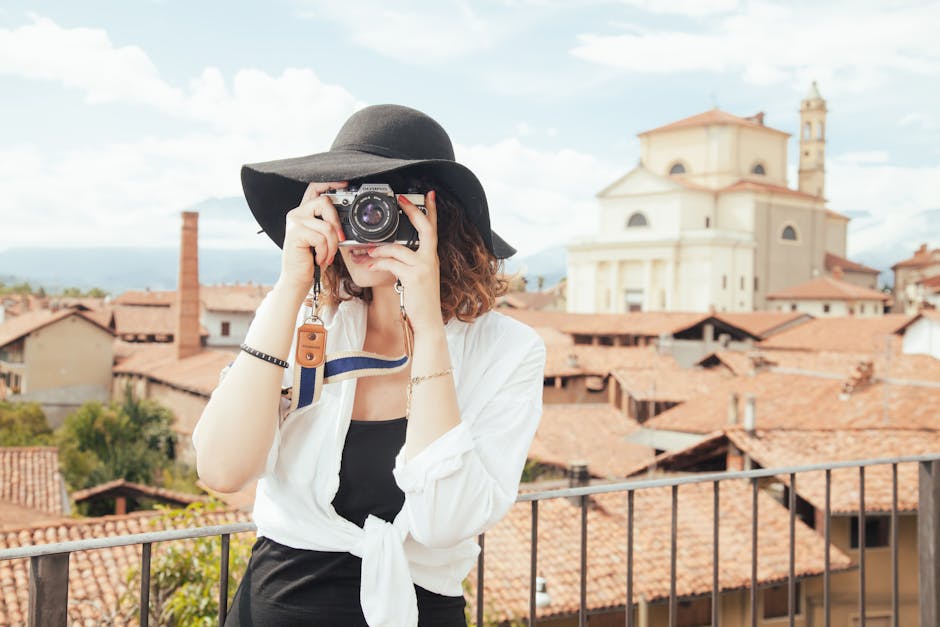
Start with the Right Gear (Without Overspending)
You don’t need a $3,000 camera to take professional-looking travel photos. A modern smartphone or an entry-level DSLR with a standard lens is more than enough to begin. What matters most is consistency, not cost. Choose a device you’re comfortable using daily and invest in a few accessories that make a real difference:
- A compact tripod for stable shots in low light or group photos
- A microfiber cloth to keep your lens clean
- A small camera bag to protect your gear on the go
- Extra batteries or a portable charger—dead batteries ruin photo opportunities
If you’re using a smartphone, consider downloading a manual camera app that lets you adjust ISO, shutter speed, and focus. This gives you more control than the default camera app, especially in challenging lighting.
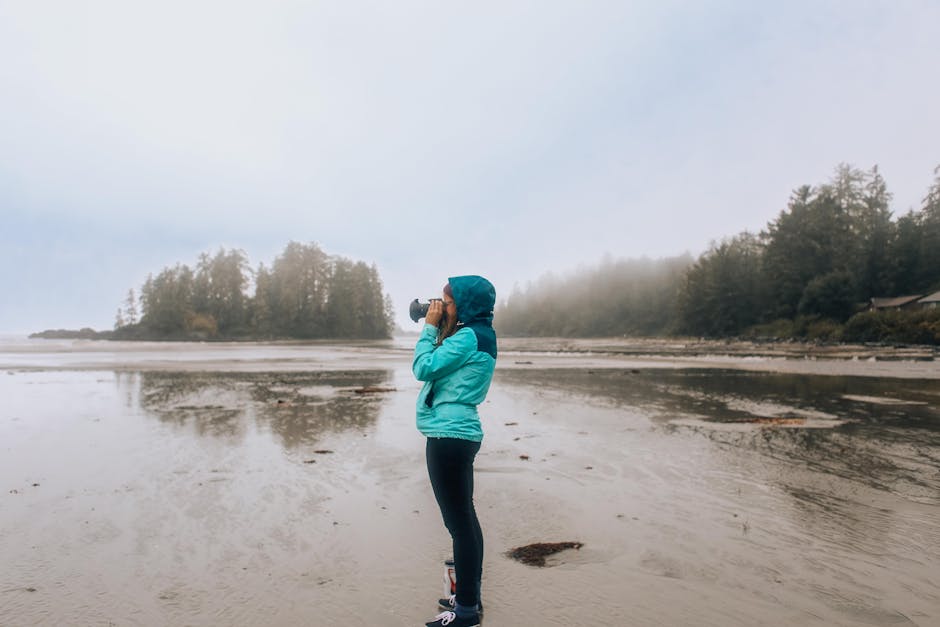
Smartphone vs. Camera: When to Use What
Both smartphones and dedicated cameras have strengths. Use this quick guide to decide which tool fits the moment:
| Situation | Best Tool | Why |
|---|---|---|
| Street photography in daylight | Smartphone | Discreet, fast, and high-quality sensors |
| Sunset or low-light landscapes | DSLR or mirrorless camera | Better dynamic range and noise control |
| Action shots (e.g., local festivals) | Camera with fast autofocus | Faster shutter response and burst mode |
| Quick social media updates | Smartphone | Instant editing and sharing |
Master the Basics of Composition
Great travel photos tell a story. Composition is how you guide the viewer’s eye through that story. Start with these three simple rules:
- Use the Rule of Thirds: Imagine your frame divided into nine equal parts. Place key elements—like a person’s eyes or a mountain peak—along those lines or at their intersections. Most cameras and phones have a grid overlay you can enable.
- Include a Foreground: Adding objects in the front of your shot (like rocks, flowers, or a doorway) creates depth and makes the image feel more immersive.
- Watch the Horizon: Keep it level. A tilted horizon distracts from the scene. Use your camera’s leveling tool or fix it in editing later.
Avoid centering every subject. While symmetry has its place, off-center framing often feels more natural and engaging. For example, when photographing a street vendor, position them to one side and leave space in the direction they’re looking or moving.
Work with Natural Light Like a Pro
Lighting is the foundation of photography. In travel settings, you rarely control the environment—so learn to adapt. The best natural light happens during the “golden hour,” the first hour after sunrise and the last hour before sunset. During this time, the sun is low, casting soft, warm light that flatters people and landscapes.
Avoid shooting in the middle of the day when the sun is directly overhead. Harsh shadows and blown-out highlights are common, especially in open areas. If you must shoot then, look for shade—under trees, awnings, or buildings—to diffuse the light.
Backlighting can also create dramatic effects. Position your subject between you and the sun to capture silhouettes or glowing edges. Just make sure your camera exposes for the subject, not the bright background, to avoid a dark figure.
Use Camera Settings Wisely
Even automatic modes can produce great results if you understand their limits. Here’s how to get the most from common settings:
- Auto Mode: Good for quick shots, but may overprocess images or use slow shutter speeds in low light.
- Aperture Priority (A or Av): Lets you control depth of field. Use a low f-number (like f/2.8) for blurred backgrounds and a high f-number (like f/8) for sharp landscapes.
- Manual Mode: Best for consistent lighting. Adjust ISO (keep it low, like 100–400, to reduce noise), shutter speed (1/125s or faster for people), and aperture together.
On smartphones, tap to set focus and exposure. Slide your finger up or down to brighten or darken the image before taking the shot. This simple trick prevents overexposed skies or underexposed faces.
Capture People and Culture Respectfully
Some of the most powerful travel photos include people. But always ask for permission before photographing strangers, especially in rural or traditional communities. A smile and a gesture go a long way. If someone declines, respect their choice—no photo is worth making someone uncomfortable.
When shooting portraits, focus on the eyes. Use natural light from the side or front, and avoid direct flash, which can look harsh. Candid moments—like a child laughing or an elder crafting—often tell a richer story than posed shots.
Include cultural details: local clothing, food, tools, or architecture. These elements add context and authenticity to your images.
Edit for Impact, Not Perfection
Editing enhances your photos, but it can’t fix a poorly composed or blurry shot. Start with basic adjustments:
- Crop to improve composition
- Adjust exposure and contrast
- Correct white balance (avoid overly warm or cool tones)
- Sharpen slightly (but don’t overdo it)
Use free or low-cost apps like Snapseed (mobile) or Lightroom Mobile. Avoid heavy filters that make photos look artificial. The goal is to enhance reality, not replace it.
How to Take Professional Travel Photos Easily: 5-Step Checklist
Before you head out each day, run through this quick checklist to ensure you’re set up for success:
- Charge your gear: Batteries die at the worst times.
- Check your settings: Switch to the right mode for the scene (e.g., aperture priority for landscapes).
- Scout for light: Look for soft, directional light or interesting shadows.
- Frame with intention: Use the rule of thirds, include foreground elements, and avoid clutter.
- Take multiple shots: Vary your angles and compositions. You can always delete extras later.
Common Mistakes to Avoid
Even experienced travelers make these errors. Watch out for:
- Over-touristy compositions: Everyone has seen the same shot of the Eiffel Tower from the bridge. Find a fresh angle—shoot from below, include a local walking by, or capture it reflected in a puddle.
- Ignoring the background: A great subject can be ruined by a distracting sign, pole, or person behind them. Always scan the full frame.
- Shooting only wide landscapes: Close-ups of textures, food, or hands at work add variety and intimacy to your portfolio.
- Forgetting to backup: Losing photos to a lost phone or corrupted card is heartbreaking. Use cloud storage or a portable hard drive daily.
Final Thoughts
Knowing how to take professional travel photos easily comes down to preparation, awareness, and practice. You don’t need perfection—just intention. Focus on light, composition, and storytelling, and your images will naturally improve. Remember, the best camera is the one you have with you. Start simple, stay consistent, and let your experiences guide your lens.
FAQ
What’s the easiest way to improve my travel photos without buying new gear?
Focus on lighting and composition. Shoot during golden hour, use the rule of thirds, and clean your lens regularly. Small changes make a big difference.
Should I shoot in RAW or JPEG?
Use JPEG for everyday shots and quick sharing. Choose RAW if you plan to edit heavily—it retains more detail, especially in shadows and highlights. Note: RAW files take up more storage.
How do I avoid blurry photos when shooting handheld?
Use a shutter speed at least as fast as the focal length (e.g., 1/50s for a 50mm lens). Increase ISO slightly in low light, but avoid going too high to prevent noise. A tripod or leaning against a wall also helps stabilize your shot.