
Best Cruise Tips for First-Time Travelers Worldwide
Planning your first cruise can be exciting but overwhelming. Whether you’re sailing the Caribbean, exploring the Mediterranean, or cruising Alaska, knowing what to expect helps ensure a smooth and enjoyable experience. This guide covers the best cruise tips for first-time travelers worldwide—from booking and packing to onboard etiquette and shore excursions—so you can set sail with confidence.

Book Early and Choose the Right Itinerary
One of the most effective ways to save money and secure the best cabins is to book your cruise as early as possible. Cruise lines often offer early-bird discounts, free upgrades, and onboard credits for reservations made six to twelve months in advance. For first-timers, shorter itineraries—such as 3- to 7-night Caribbean or Bahamian cruises—are ideal for getting a feel for life at sea without committing to a long voyage.
Consider the time of year and destination. Hurricane season in the Atlantic runs from June to November, so travelers seeking calm seas might prefer spring or early summer departures. Mediterranean cruises are most pleasant in late spring and early fall when temperatures are mild and crowds are smaller.
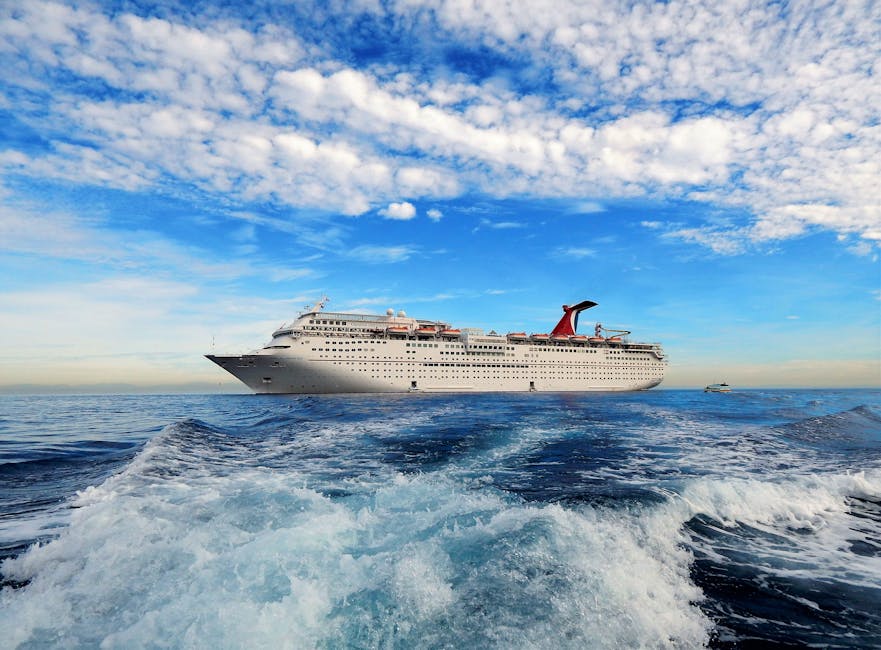
Understand Cabin Types and Locations
Cruise cabins vary widely in size, price, and location. Interior cabins are the most affordable but lack windows; oceanview cabins offer a window or porthole; balconies provide private outdoor space; and suites include extra amenities and services. For first-time cruisers, a mid-ship cabin on a lower deck can minimize motion sickness due to reduced movement.
Be aware that cabins near elevators, nightclubs, or engine rooms may be noisier. Conversely, cabins at the very front or back of the ship may experience more motion. If you’re sensitive to noise or movement, request a quiet, mid-ship location when booking.
Pack Smart: What to Bring and What to Leave Behind
Packing for a cruise requires balance—bring enough for comfort but avoid overloading your luggage. Most cruises have formal nights, casual dining, and active excursions, so pack accordingly. Essentials include:
- Comfortable walking shoes for shore excursions
- Swimwear and cover-ups
- Sunscreen and after-sun care
- Medications in original containers
- Power strip (many cabins have limited outlets)
- Reusable water bottle
Avoid bringing irons, candles, or large quantities of alcohol, as these are typically prohibited. Check your cruise line’s packing policy before departure. Also, pack a carry-on bag with essentials like medications, a change of clothes, and travel documents in case your checked luggage is delayed.
Arrive a Day Early and Plan Your Embarkation
To reduce stress and avoid missing your ship, fly into the departure city at least one day before sailing. This buffer accounts for flight delays, traffic, or last-minute changes. Many cruise lines offer pre-cruise hotel packages with transportation to the port.
On embarkation day, arrive at the port during your assigned time slot to avoid long lines. Have your passport, boarding pass, and health forms ready. Most cruises require a negative COVID-19 test or vaccination proof, so verify current requirements before travel.
Manage Your Budget with a Daily Spending Plan
While your cruise fare covers accommodations, meals, and entertainment, extras like drinks, specialty dining, spa treatments, and shore excursions add up quickly. Set a daily budget and track your spending using the cruise line’s app or a notebook.
Many lines offer drink packages, but they’re only cost-effective if you plan to consume six or more alcoholic or specialty beverages per day. For moderate drinkers, paying à la carte may be cheaper. Similarly, pre-booking excursions online can save 10–20% compared to booking onboard.
Maximize Onboard Experiences
Cruise ships offer a wide range of activities—live shows, cooking classes, fitness centers, pools, and themed parties. Check the daily newsletter or app to plan your schedule. Arrive early for popular events like Broadway-style shows or wine tastings.
Take advantage of port days by booking excursions that match your interests. Snorkeling in Cozumel, a guided tour of Rome from Civitavecchia, or a wildlife cruise in Juneau each offer unique local experiences. Always confirm return times to the ship—missing departure is a serious risk.
Stay Healthy and Safe at Sea
Motion sickness affects some travelers, especially in rough seas. Choose a mid-ship cabin, stay hydrated, and consider over-the-counter remedies like Dramamine or ginger supplements. If symptoms persist, visit the ship’s medical center.
Practice good hygiene to avoid illness. Wash hands frequently, use hand sanitizer, and avoid touching your face. Cruise ships are generally safe, but keep your cabin door locked, use the safe for valuables, and be cautious when exploring unfamiliar ports.
Use Technology to Stay Connected
Wi-Fi is available on most ships but can be slow and expensive. Consider purchasing an internet package if you need regular access. Download offline maps, translation apps, and entertainment before boarding. Some lines offer apps for scheduling activities, viewing menus, and messaging other guests.
Cellular service is limited at sea, so don’t rely on your mobile carrier. Enable airplane mode and connect to ship Wi-Fi to avoid roaming charges.
Know the Tipping and Gratuity Policy
Most cruise lines automatically add daily gratuities to your onboard account—typically $14–$20 per person, per day. These cover service from housekeeping, dining staff, and other crew members. You can adjust the amount at any time, but reducing it significantly may affect service quality.
Additional tips may be appropriate for exceptional service, such as spa treatments or private dining. Always tip in cash if you wish to give directly to a specific staff member.
Prepare for Disembarkation
The final day of your cruise involves packing, settling your bill, and leaving the ship. Most lines offer two options: self-assist (carry your own luggage) or porter service (leave bags outside your cabin for collection). Self-assist allows for an earlier departure, while porter service is more convenient.
Review your final bill for accuracy before disembarking. Disputes should be addressed at the guest services desk. Have your passport and customs forms ready, especially if returning to your home country.
Compare Cruise Lines: A Quick Guide
Different cruise lines cater to different traveler preferences. Below is a comparison of four popular options for first-time cruisers:
| Cruise Line | Best For | Average Price (7-Night) | Family-Friendly |
|---|---|---|---|
| Carnival Cruise Line | Budget travelers, fun atmosphere | $600–$900 | Yes |
| Royal Caribbean | Activities, entertainment, families | $800–$1,200 | Yes |
| Norwegian Cruise Line | Freestyle cruising, flexible dining | $700–$1,100 | Yes |
| Princess Cruises | Adults, scenic itineraries, relaxation | $900–$1,400 | Moderate |
Final Thoughts on the Best Cruise Tips for First-Time Travelers Worldwide
Your first cruise can be a memorable adventure with the right preparation. By booking early, packing wisely, managing your budget, and understanding onboard policies, you’ll set yourself up for a smooth journey. Whether you’re exploring tropical islands or historic European cities, these cruise tips for first-time travelers worldwide will help you make the most of your voyage.
FAQ
How far in advance should I book my first cruise?
Book at least 6 to 12 months in advance to secure the best prices, cabin locations, and promotions. Early bookings often include perks like onboard credit or free upgrades.
Can I bring my own alcohol on a cruise?
Most cruise lines allow a limited amount of wine or champagne (usually one bottle per adult), but prohibit hard liquor. Check your cruise line’s specific alcohol policy before packing.
What happens if I miss the ship at a port?
If you miss the ship, you’ll be responsible for getting to the next port at your own expense. Always return to the ship with ample time before departure and confirm local time zones.