
How to Plan a Perfect Road Trip with Budget Tips
Planning a perfect road trip doesn’t require deep pockets—just smart preparation. Whether you’re driving across states or exploring scenic backroads, knowing how to plan a perfect road trip with budget tips can save you hundreds while maximizing fun. Start by mapping your route, choosing affordable accommodations, and packing essentials to avoid last-minute expenses. With the right strategy, you can enjoy scenic drives, local food, and memorable stops without overspending.
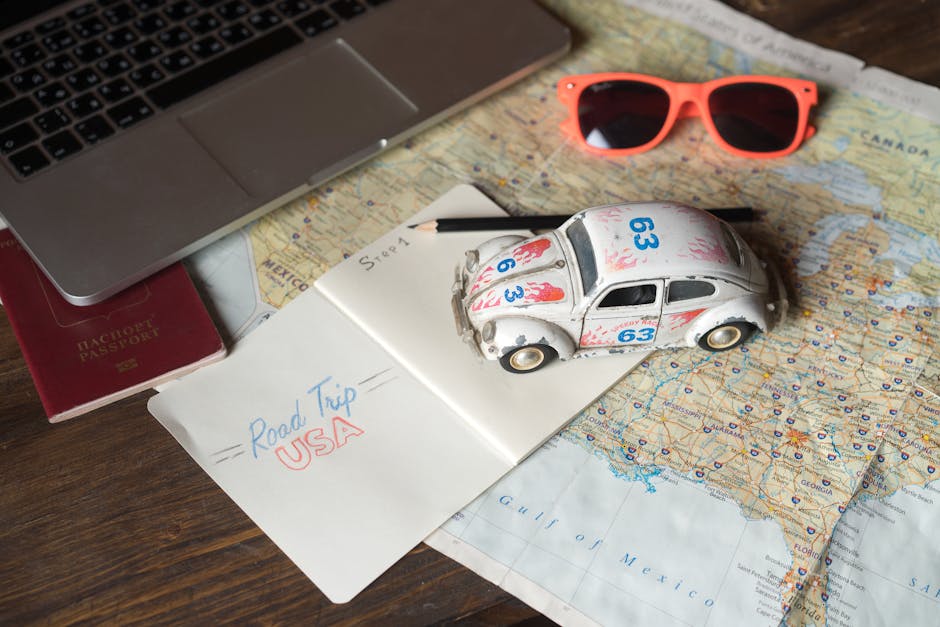
Step 1: Define Your Route and Destinations
Begin by deciding on your starting point and final destination. Use free mapping tools like Google Maps or Roadtrippers to plot a logical route. Consider scenic byways, national parks, or small towns that offer free or low-cost attractions. Avoid overly ambitious daily driving distances—aim for 200–300 miles per day to reduce fatigue and fuel costs.
For example, a trip from Denver to Moab might include stops in Glenwood Springs and Arches National Park. These detours add value without major detours. Always check road conditions, especially in rural or mountainous areas, and have a backup route in case of closures.
Step 2: Choose the Right Vehicle
Your vehicle choice directly impacts fuel efficiency and repair risks. If you own a fuel-efficient car, use it. If not, consider renting a compact or hybrid vehicle for long trips. Compare rental rates across platforms like Kayak or Costco Travel, and book early for better deals.
Before departure, get a full inspection: check tire pressure, oil levels, brakes, and coolant. A well-maintained car reduces the chance of costly breakdowns. Don’t forget to pack a spare tire, jumper cables, and a basic toolkit.
Step 3: Budget for Fuel and Accommodations
Fuel is one of the largest expenses. Use apps like GasBuddy to find the cheapest gas along your route. Fill up in larger towns where prices are often lower than in remote areas. Consider using a gas rewards credit card to earn cash back or points.
For lodging, mix it up: use budget motels, campgrounds, or free overnight parking (where legal). Apps like iOverlander or FreeCampsites.net list safe, no-cost spots. If staying in hotels, book midweek for lower rates and use loyalty programs for discounts.
Accommodation Options Compared
| Type | Average Cost/Night | Pros | Cons |
|---|---|---|---|
| Motel | $60–$90 | Reliable, private, often includes parking | Can be dated, limited amenities |
| Campground | $15–$40 | Affordable, immersive nature experience | Requires gear, weather-dependent |
| Free Overnight Parking | $0 | No cost, flexible | Safety concerns, not always legal |
| Airbnb/VRBO | $80–$150 | More space, kitchen access | Higher cost, booking fees |
Step 4: Pack Smart to Avoid Unnecessary Spending
One of the easiest ways to overspend is buying snacks, drinks, or gear on the road. Pack a cooler with sandwiches, fruit, and reusable water bottles. Bring a portable charger, first-aid kit, and offline maps in case of poor signal.
Clothing should be versatile—pack layers instead of bulky items. Don’t forget toiletries, medications, and a physical copy of your insurance and registration. A small daypack for hikes or town walks adds convenience without extra cost.
Step 5: Eat Like a Local, Not a Tourist
Dining out daily can blow your budget. Instead, cook simple meals at campsites or use hotel microwaves. Visit local farmers’ markets for fresh, affordable produce. When you do eat out, choose family-owned diners over chain restaurants—they often offer better value and authentic flavors.
For example, in the Southwest, a $5 burrito from a roadside stand beats a $15 burger at a highway rest stop. Use apps like Yelp or Google Reviews to find highly rated, budget-friendly eateries near your route.
Step 6: Plan Free and Low-Cost Activities
The best road trip moments often come from unplanned discoveries—waterfalls, viewpoints, or small museums. Research free attractions in advance: many national parks offer free entry days, and towns often have walking tours or historical plaques.
Download free audio guides or podcasts about regions you’ll pass through. They add context without cost. If visiting paid attractions, look for combo tickets or city tourism cards that bundle discounts.
Step 7: Track Expenses and Adjust as Needed
Use a simple spreadsheet or app like Trail Wallet to log daily spending. Categorize costs: fuel, food, lodging, activities. This helps identify overspending early. If you’re over budget by day three, cut back on dining out or choose a free campsite instead of a motel.
Set a daily spending limit based on your total trip budget. For a two-week trip with a $1,500 goal, that’s about $107 per day. Include a 10% buffer for emergencies.
Final Tips for a Smooth Journey
Always carry cash for rural areas where card readers may fail. Share driving duties if possible to reduce fatigue. Let someone know your itinerary and check in regularly. And finally, embrace flexibility—some of the best memories come from unplanned detours.
How to Plan a Perfect Road Trip with Budget Tips: Key Takeaways
To plan a perfect road trip with budget tips, focus on preparation, smart spending, and flexibility. Choose efficient routes, pack essentials, cook meals, and prioritize free experiences. With careful planning, you can enjoy a memorable adventure without financial stress.
FAQ
Q: How much should I budget per day for a road trip?
A: A realistic daily budget ranges from $75 to $125 per person, covering fuel, food, lodging, and activities. Adjust based on destination and travel style.
Q: Is it cheaper to camp or stay in motels?
A: Camping is usually cheaper, costing $15–$40 per night, while motels average $60–$90. However, camping requires gear and may not suit all travelers.
Q: What’s the best way to save on gas during a road trip?
A: Use gas price apps, fill up in larger towns, maintain steady speeds, and avoid idling. A well-maintained vehicle also improves fuel efficiency.