
How to Reduce Travel Costs with Smart Planning
Traveling doesn’t have to drain your wallet. With thoughtful preparation and strategic decisions, you can significantly lower expenses without sacrificing comfort or experience. The key lies in how to reduce travel costs with smart planning—starting early, comparing options, and making informed choices at every stage. Whether you’re booking a weekend getaway or a month-long international trip, a few deliberate actions can lead to substantial savings. This guide walks you through proven methods to stretch your travel budget further, from flight and accommodation hacks to daily spending tips that add up over time.
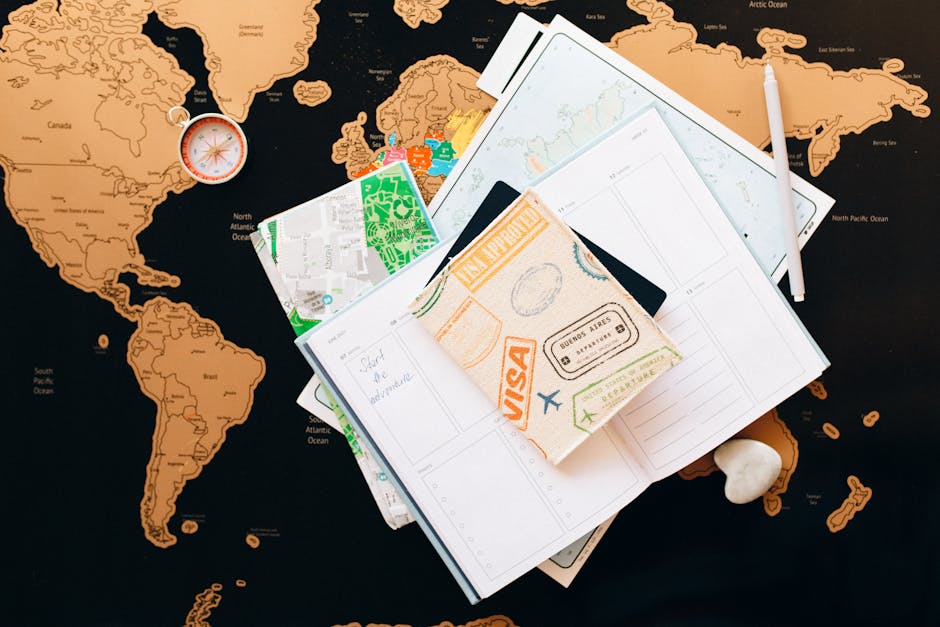
Start Planning Early to Lock in Lower Prices
One of the most effective ways to reduce travel costs is to begin planning as early as possible. Airlines, hotels, and tour operators often release discounted rates months in advance, especially for popular destinations. For example, booking a flight to Europe six to eight weeks ahead can save you hundreds compared to last-minute purchases. Similarly, vacation rentals and boutique hotels frequently offer early-bird discounts for reservations made 60 to 90 days in advance.
Set price alerts on platforms like Google Flights, Skyscanner, or Hopper to monitor fare trends. These tools notify you when prices drop, allowing you to strike at the right moment. Avoid peak booking windows—such as the two weeks before a holiday—when demand surges and prices spike.

Be Flexible with Dates and Destinations
Flexibility is a powerful tool in cost-conscious travel. Shifting your departure by just one or two days can result in dramatically lower airfare. Midweek flights—especially on Tuesdays and Wednesdays—are typically cheaper than weekend departures. Use fare comparison tools to view a calendar of prices across multiple dates.
Consider alternative destinations that offer similar experiences at a fraction of the cost. Instead of Paris in spring, explore Budapest or Lisbon, which boast rich culture, historic architecture, and lower price tags. A weekend in Prague might cost half as much as one in London, with comparable charm and fewer crowds.
Compare Transportation and Accommodation Options
Not all travel platforms are created equal. A quick search might show one hotel at $150 per night on a major booking site, while the same property lists for $120 directly on its website. Always check the hotel’s official site for exclusive deals, loyalty perks, or waived resort fees.
For transportation, weigh the total cost of flying versus driving or taking a train. While a flight may seem faster, factoring in airport transfers, baggage fees, and parking can make ground travel more economical—especially for short to medium distances. For instance, a train ride from New York to Washington, D.C., often costs less than a round-trip flight when all expenses are included.
Accommodation Comparison: Direct Booking vs. Third-Party Sites
| Factor | Booking Directly | Using Third-Party Sites |
|---|---|---|
| Price | Often lower with direct discounts | May include hidden fees |
| Cancellation Policy | More flexible, easier to modify | Strict, changes may incur fees |
| Loyalty Rewards | Earn points and status benefits | Rarely eligible for loyalty programs |
| Customer Support | Direct access to hotel staff | Reliant on third-party customer service |
Use Travel Rewards and Loyalty Programs Wisely
Frequent flyer miles, hotel points, and credit card rewards can dramatically reduce travel costs—if used strategically. Sign up for airline and hotel loyalty programs, even if you travel infrequently. Many programs offer bonus points for signing up, and elite status can unlock free upgrades, late checkouts, and complimentary breakfasts.
Use a travel rewards credit card for everyday purchases to accumulate points faster. Look for cards with no foreign transaction fees if you’re traveling internationally. Redeem points for flights during high-season periods when cash prices are highest, maximizing their value. For example, 25,000 miles might cover a $400 flight in off-peak times but a $900 one during holidays.
Pack Smart to Avoid Extra Fees
Overpacking can cost you—literally. Many budget airlines charge steep fees for checked bags, and even major carriers have tightened weight limits. Stick to a carry-on whenever possible. A well-organized, lightweight suitcase not only saves money but also makes navigating airports and public transit easier.
Weigh your luggage before leaving home using a portable scale. This simple step prevents surprise fees at the airport. If you must check a bag, compare airline baggage policies in advance. Some airlines include one free checked bag for domestic flights, while others charge $30 or more each way.
Eat Like a Local, Not a Tourist
Dining out is one of the biggest expenses on any trip. Avoid restaurants near major tourist attractions, where prices are inflated and quality often suffers. Instead, seek out local markets, food trucks, and neighborhood eateries where residents eat. In cities like Bangkok or Mexico City, a delicious street meal can cost less than $3.
Consider accommodations with kitchen access. Preparing simple meals—breakfast, snacks, or even dinner—can cut food costs by 30% or more. Grocery shopping at local stores also gives you a taste of regional produce and cuisine.
Limit Paid Activities and Prioritize Free Attractions
Many destinations offer free or low-cost cultural experiences. Museums often have free admission days—check official websites for schedules. Public parks, walking tours, historic districts, and local festivals provide rich experiences without the price tag.
Instead of booking expensive guided tours, use free audio guides or self-guided itineraries available online. Apps like Google Arts & Culture or local tourism board websites offer detailed maps and historical insights. In cities like Berlin or Amsterdam, free walking tours (tip-based) give you a comprehensive overview led by knowledgeable locals.
Use Public Transportation Instead of Taxis
Relying on ride-sharing apps or taxis for every trip adds up quickly. Most cities have efficient, affordable public transit systems. A weekly metro pass in Tokyo or London costs far less than multiple taxi rides across the same period.
Download local transit apps to plan routes and check schedules. Many cities offer tourist passes that include unlimited rides on buses, trains, and trams—often with discounts on attractions. In Barcelona, for example, the Hola BCN card provides unlimited travel for €10.30 per day.
Travel Off-Season for Maximum Savings
Peak travel seasons—summer, holidays, and school breaks—come with inflated prices across the board. Traveling during shoulder or off-season months can reduce costs by 20% to 50%. Flights, hotels, and tours are cheaper, and destinations are less crowded.
For example, visiting Greece in late September offers warm weather, fewer tourists, and lower prices compared to July. Similarly, a winter trip to New Orleans avoids Mardi Gras crowds while still offering vibrant culture and events.
Set a Daily Budget and Track Spending
Even with careful planning, daily expenses can spiral without oversight. Set a realistic daily budget that includes food, transport, activities, and souvenirs. Use a budgeting app like Trail Wallet or Splitwise to log expenses in real time.
Review your spending each evening to stay on track. If you overspend on meals one day, adjust by choosing free activities the next. Small adjustments add up, helping you return home without financial stress.
Final Tips to Reduce Travel Costs with Smart Planning
- Book refundable options when possible: Life happens. Refundable flights and hotels offer flexibility if plans change.
- Travel with a group: Splitting costs for accommodations and transportation reduces individual expenses.
- Use local SIM cards or eSIMs: Avoid international roaming fees by purchasing a local data plan.
- Carry a reusable water bottle: Stay hydrated without buying bottled water daily.
- Read the fine print: Understand cancellation policies, baggage rules, and hidden fees before booking.
FAQ
How far in advance should I book my trip to get the best prices?
For international flights, aim to book 6 to 8 weeks in advance. Domestic trips can often be booked 3 to 4 weeks ahead. Use price alerts to monitor fluctuations and book when fares dip.
Are travel rewards credit cards worth it for occasional travelers?
Yes, if you pay your balance in full each month. Even infrequent travelers can benefit from sign-up bonuses, no foreign transaction fees, and points that accumulate over time.
Can I really save money by cooking my own meals while traveling?
Absolutely. Preparing even a few meals can reduce food expenses by 30% or more, especially in expensive cities. Look for accommodations with kitchens or kitchenettes.
By applying these strategies, you can enjoy more trips, longer stays, and richer experiences—all while keeping your budget intact. The secret isn’t spending less on travel; it’s spending smarter. With the right approach, how to reduce travel costs with smart planning becomes second nature, opening the door to more adventures without financial strain.