
How to Travel Like a Local in Any Country Easily
Traveling like a local means more than just visiting off-the-beaten-path cafes—it’s about blending in, understanding daily rhythms, and experiencing a destination through the eyes of those who live there. Whether you’re exploring bustling markets in Bangkok, riding public transit in Berlin, or sharing a meal in a family-run trattoria in Naples, adopting local habits deepens your travel experience. This guide shows you how to travel like a local in any country easily, with practical steps, cultural insights, and real-world examples that help you connect authentically wherever you go.
Start with Research—But Go Beyond the Guidebooks
Before you pack your bags, spend time learning about the destination beyond tourist highlights. Look into local customs, typical meal times, public transportation options, and neighborhood dynamics. For example, in Spain, dinner rarely starts before 9 p.m., while in Japan, punctuality on trains is non-negotiable. Understanding these nuances helps you avoid standing out as a clueless visitor.
Use local news sites, Reddit communities (like r/solotravel or country-specific subreddits), and blogs written by residents. These sources often reveal seasonal events, neighborhood safety, and unadvertised spots that aren’t in mainstream guides. A quick search like “what do locals do on weekends in Lisbon?” can lead you to hidden viewpoints, local festivals, or popular street food stalls.
Dress the Part—Blend In, Don’t Stand Out
Tourists often wear bright colors, logo-heavy clothing, or impractical footwear—clues that scream “I’m not from here.” To travel like a local, observe what people around you are wearing and follow suit. In Scandinavian cities, minimalist, functional fashion dominates. In Mediterranean towns, casual but neat attire is standard. Avoid flashy jewelry or expensive gear that draws attention.
Simple changes make a difference: swap your bulky backpack for a crossbody bag, wear comfortable shoes suitable for walking, and carry a reusable water bottle. These small choices not only help you blend in but also make daily movement easier and more sustainable.
Use Public Transportation Like a Pro
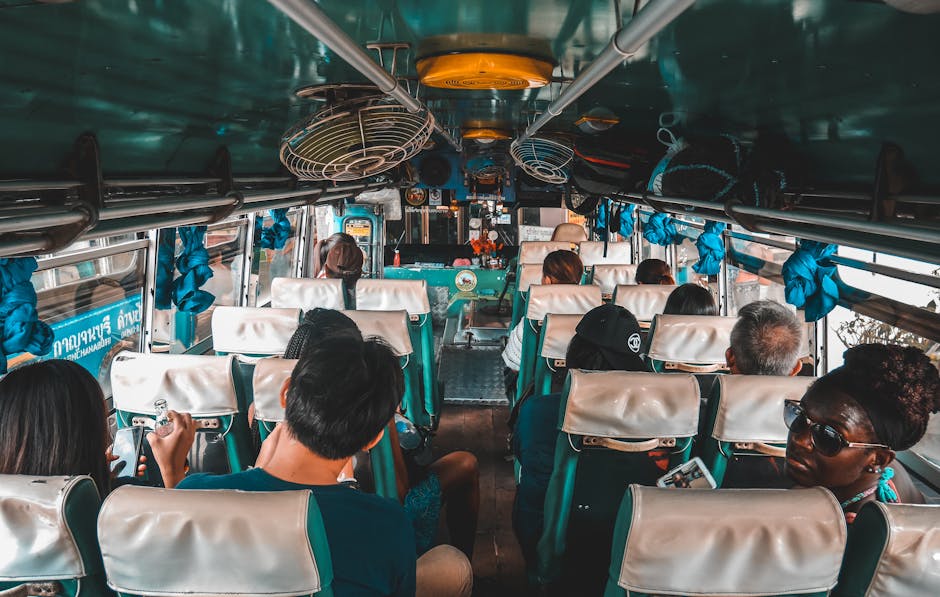
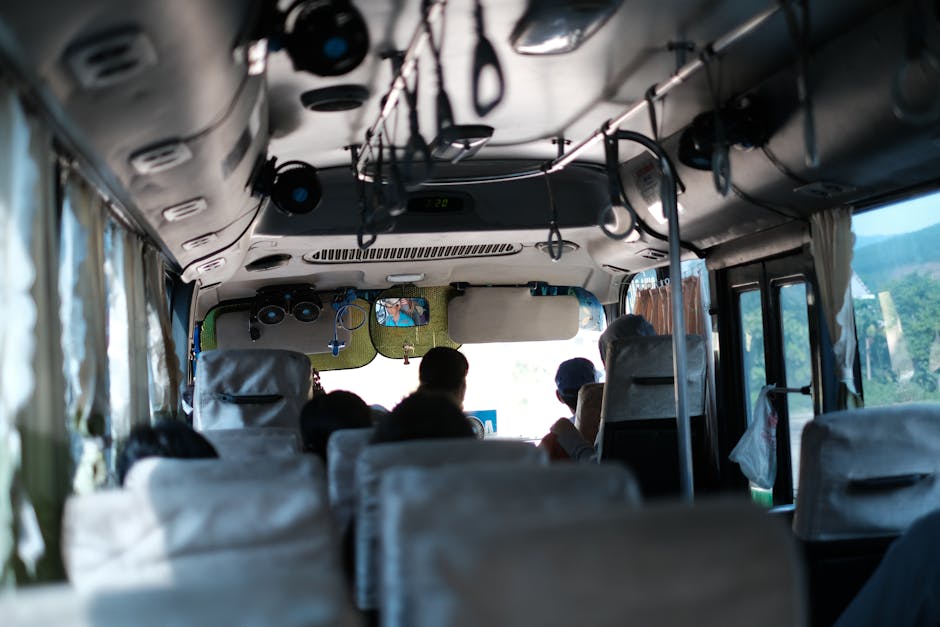
One of the quickest ways to feel like a local is to use the same transit systems residents rely on. Instead of taxis or tourist shuttles, ride the metro, buses, or trams. In cities like Tokyo or Berlin, public transit is efficient, affordable, and widely used by locals. Learn the basic routes, buy a day pass if available, and practice reading signs in the local language.
Apps like Citymapper or local transit apps (e.g., Moovit) can help, but don’t rely solely on them. Watch how locals validate tickets, where they stand on platforms, and how they navigate transfers. In some cities, like Paris, standing on the right side of escalators is the norm—follow these unwritten rules to move smoothly.
Eat Where the Locals Eat
Skip the restaurants with menus in five languages and photos of dishes. Instead, look for places filled with local customers, limited English signage, and daily specials written on chalkboards. In Mexico City, try a taco stand in Roma Norte where office workers line up at lunch. In Bangkok, seek out street vendors near temples or markets where locals grab a quick bite.
Learn a few food-related phrases in the local language—“Is this spicy?” or “What do you recommend?”—to show respect and improve your experience. Don’t be afraid to point at what others are eating if the menu is confusing. Meals are often a gateway to conversation and cultural insight.
Learn Basic Phrases—Even Just a Few Words
You don’t need to be fluent, but knowing greetings, thank you, please, and basic questions goes a long way. In France, saying “Bonjour” before asking for help is expected. In Japan, a polite “Arigatou gozaimasu” opens doors. Locals appreciate the effort, even if your pronunciation is off.
Use language apps like Duolingo or Drops for quick prep before your trip. Carry a small phrasebook or save key phrases on your phone. When in doubt, a smile and a polite gesture often bridge the gap.
Respect Local Customs and Etiquette
Every country has unspoken rules. In many Middle Eastern countries, showing the soles of your feet is considered rude. In Thailand, touching someone’s head is taboo. In Italy, it’s common to greet shopkeepers when entering a store. Researching these norms prevents awkward moments and shows cultural sensitivity.
Observe how locals behave in different settings—churches, markets, public transport—and mirror their actions. When in doubt, err on the side of formality. For example, in Germany, people tend to be reserved in public; loud conversations on trains may draw stares.
Shop at Local Markets and Small Businesses
Instead of chain stores or tourist shops, support local economies by shopping at farmers’ markets, family-run boutiques, or neighborhood grocers. In Marrakech, the souks offer handmade crafts and spices, often at better prices than tourist hubs. In Lisbon, small tasquinhas sell fresh bread, cheese, and wine at local prices.
Bargaining is expected in some places (like markets in Istanbul or Delhi), but not in others (like Japan or Scandinavia). Know the local norms to avoid overpaying or causing offense.
Stay in Local Accommodations
Hotels in tourist zones cater to visitors, but staying in residential areas offers a more authentic experience. Consider booking an apartment through platforms like Airbnb in neighborhoods where locals actually live—think Pilsen in Prague, Kreuzberg in Berlin, or Williamsburg in Brooklyn.
Staying with a host or in a guesthouse can also provide insider tips. Many hosts share neighborhood recommendations, from the best bakery to a quiet park perfect for morning walks.
Follow the Daily Rhythm
Locals don’t rush from one attraction to the next. They take time for coffee, stroll through parks, or enjoy long lunches. Adapt your schedule to match local habits. In Greece, many shops close for a midday siesta. In Argentina, nightlife starts late—don’t expect dinner before 9 p.m.
Embrace downtime. Sit at a sidewalk café, people-watch, or join a free walking tour led by a local. These moments often lead to the most memorable experiences.
Be Mindful of Your Impact
Traveling like a local also means traveling responsibly. Avoid overcrowding popular spots during peak hours, respect quiet zones in residential areas, and dispose of waste properly. In places like Venice or Bali, overtourism has strained local communities—being considerate helps preserve the culture you’re there to enjoy.
Support sustainable tourism by choosing eco-friendly tours, avoiding single-use plastics, and respecting wildlife and natural sites.
Comparison: Tourist vs. Local Travel Habits
Understanding the differences between typical tourist behavior and local habits can help you adjust your approach. The table below highlights common contrasts:
| Aspect | Typical Tourist Behavior | Local Behavior |
|---|---|---|
| Transportation | Taxis, tourist buses, hop-on-hop-off tours | Public transit, biking, walking |
| Dining | Restaurants with English menus and photos | Local eateries, street food, home cooking |
| Accommodation | Chain hotels in tourist districts | Apartments, guesthouses in residential areas |
| Shopping | Souvenir shops, malls | Markets, local boutiques, family stores |
| Schedule | Packed itineraries, early starts | Relaxed pace, aligned with local rhythms |
Common Mistakes to Avoid
- Overplanning: Leave room for spontaneity. Some of the best local experiences happen by accident—like stumbling upon a neighborhood festival or a hidden garden.
- Ignoring safety: Blending in doesn’t mean ignoring risks. Stay aware of your surroundings, especially in crowded areas or at night.
- Assuming familiarity: Just because you’ve traveled before doesn’t mean you know every culture. Approach each destination with humility and curiosity.
- Overusing technology: While apps are helpful, relying too much on GPS or translation tools can disconnect you from real interactions. Try navigating with a paper map or asking for directions.
Final Thoughts: Travel Like a Local, Not a Visitor
Traveling like a local isn’t about pretending to be someone you’re not—it’s about opening yourself to new ways of living, even temporarily. It’s about slowing down, observing, and participating with respect. When you align your habits with those of the people who call a place home, you gain access to deeper, more meaningful experiences.
You’ll eat better food, meet more interesting people, and see a destination in a way most tourists never do. And the best part? These skills transfer from one country to the next. Once you learn how to travel like a local in any country easily, every trip becomes richer, more connected, and authentically yours.
FAQ
How can I find authentic local experiences without speaking the language?
Start by visiting local markets, using public transit, and dining where locals eat. Use translation apps for basic communication, and don’t be afraid to smile and gesture. Many locals appreciate the effort and will go out of their way to help.
Is it safe to stay in residential neighborhoods as a tourist?
Yes, in most cases. Residential areas are often safer and quieter than tourist zones. Research the neighborhood beforehand, read recent reviews, and choose accommodations with good security. Trust your instincts and avoid poorly lit or isolated areas at night.
What’s the best way to learn local customs before traveling?
Read travel blogs by locals, watch YouTube vlogs from residents, and check government travel advisories for cultural tips. Join online forums or Facebook groups for expats or travelers in your destination country to get firsthand advice.