
Australia Travel Guide for Beginners with Travel Tips
Australia is a vast, diverse destination perfect for first-time visitors seeking adventure, nature, and vibrant cities. This Australia travel guide for beginners with travel tips covers everything from must-see destinations and transportation options to safety advice and budgeting essentials. Whether you’re planning to explore the Great Barrier Reef, drive the Great Ocean Road, or experience Sydney’s iconic landmarks, this guide delivers practical, actionable information to help you travel confidently and efficiently across the continent.
Why Visit Australia as a First-Time Traveler?
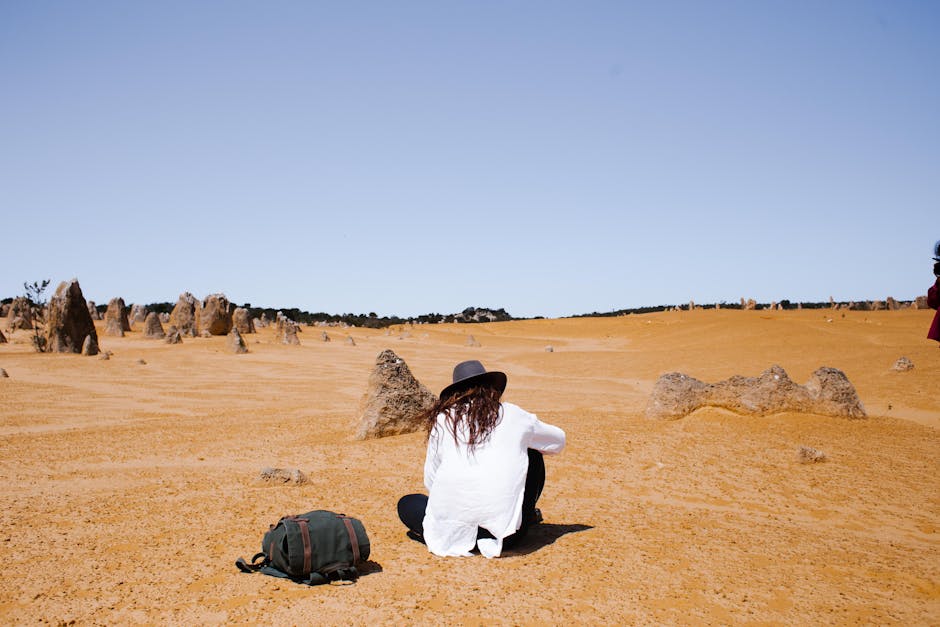
Australia offers a unique blend of natural wonders, modern cities, and cultural experiences. From the red sands of Uluru to the white beaches of the Whitsundays, the country provides a wide range of landscapes in one destination. English is the primary language, making communication easy for most international visitors. The country also ranks high in global safety indexes, with well-developed infrastructure and reliable public services.
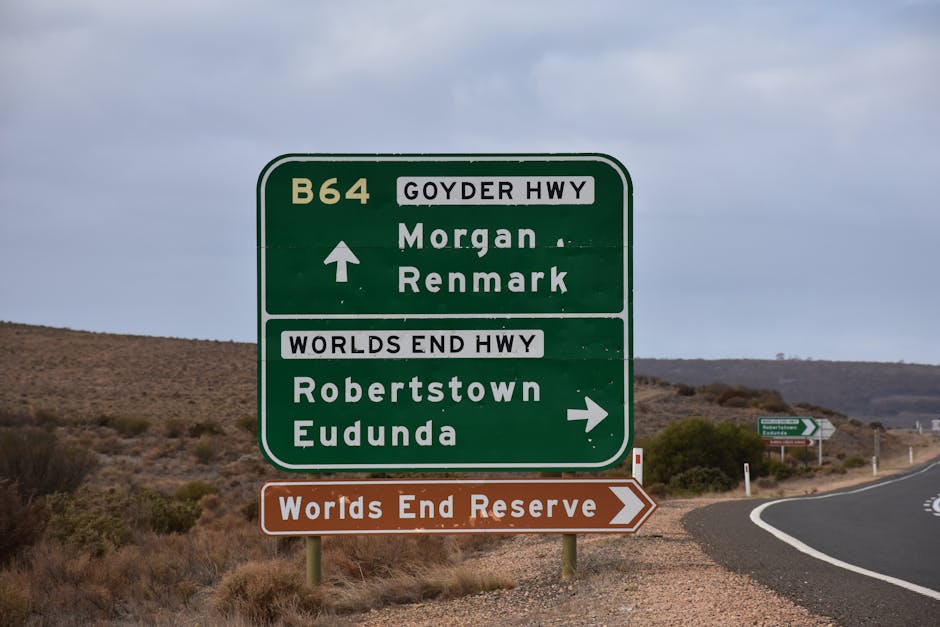
First-time travelers often choose Australia for its accessibility, variety, and ease of navigation. Major cities like Sydney, Melbourne, and Brisbane are tourist-friendly, with clear signage, multilingual support at key attractions, and efficient transport networks. Whether you’re interested in wildlife, outdoor adventures, or urban exploration, Australia delivers a balanced and memorable experience.
Top Destinations for First-Time Visitors
Australia’s size means you can’t see everything in one trip, but certain regions offer the best introduction. Focus your itinerary on a mix of iconic landmarks and regional highlights.
Sydney: The Gateway City
Sydney is the most popular entry point for international travelers. The city is home to the Sydney Opera House, Harbour Bridge, and Bondi Beach—each easily accessible by public transport. Take a ferry from Circular Quay to Manly for scenic views, or walk the coastal path from Bondi to Coogee for ocean vistas and cafes.
For a cultural experience, visit the Art Gallery of New South Wales or attend a performance at the Sydney Theatre Company. The city also hosts major events like Vivid Sydney, a light and music festival held each winter.
Melbourne: Culture and Coffee
Known for its arts scene, laneway cafes, and sporting events, Melbourne offers a more laid-back urban experience. Explore Federation Square, stroll through the Royal Botanic Gardens, or catch a match at the Melbourne Cricket Ground. The city’s tram network is free within the central zone, making it easy to get around.
Melbourne’s food scene is world-class, with diverse cuisines and award-winning restaurants. Don’t miss a visit to Queen Victoria Market for local produce and souvenirs.
Great Barrier Reef: Natural Wonder
Located off the coast of Queensland, the Great Barrier Reef is the world’s largest coral reef system. Cairns and Port Douglas are the main gateways for snorkeling and diving tours. Choose eco-certified operators to support reef conservation.
Beginners can enjoy glass-bottom boat tours or snorkeling from the beach at Fitzroy Island. For a unique perspective, consider a scenic helicopter flight over the reef.
Uluru: Spiritual Heart of the Outback
Uluru, also known as Ayers Rock, is a sacred site in the Northern Territory. Located in Uluru-Kata Tjuta National Park, it’s best visited during cooler months (April to September). Guided walks explain the cultural significance to the Anangu people, the traditional custodians.
Sunrise and sunset are the most popular viewing times, when the rock changes color dramatically. Overnight stays at Ayers Rock Resort offer comfort and proximity to the site.
Getting Around Australia
Australia’s distances are vast, so transportation planning is essential. Domestic flights are the fastest way to travel between major cities, with airlines like Qantas, Virgin Australia, and Jetstar offering frequent services.
For regional travel, trains and buses connect cities and towns. The Indian Pacific route runs from Sydney to Perth, crossing the Nullarbor Plain—a scenic but long journey. Greyhound Australia operates an extensive bus network, ideal for budget travelers.
Renting a car gives flexibility, especially for road trips. Popular routes include the Great Ocean Road (Melbourne to Adelaide), the Pacific Coast (Sydney to Brisbane), and the Red Centre Way (Alice Springs to Uluru). Always drive on the left and carry a valid international driving permit if required.
Essential Travel Tips for Australia
Smart preparation ensures a smooth trip. Here are key tips every beginner should know.
Best Time to Visit
Australia’s seasons are opposite those in the Northern Hemisphere. Summer (December to February) is hot and busy, especially in the south. Winter (June to August) is ideal for the Outback and northern regions like Darwin and Cairns.
Spring (September to November) and autumn (March to May) offer mild weather and fewer crowds. Check regional climates—Tasmania stays cool year-round, while the Top End has a wet season from November to April.
What to Pack
Pack layers, as temperatures vary widely. Sun protection is non-negotiable: broad-brimmed hat, sunglasses, and SPF 50+ sunscreen. Bring reef-safe sunscreen if visiting marine parks.
Comfortable walking shoes are essential for city exploration and national parks. If visiting rural areas, include insect repellent and a reusable water bottle. Power adapters are needed—Australia uses Type I plugs (230V).
Money and Costs
Australia uses the Australian dollar (AUD). Credit cards are widely accepted, but carry cash for small vendors and remote areas. ATMs are common in cities and towns.
Daily budgets vary: AUD $100–$150 per day covers hostels, public transport, and casual meals. Mid-range travelers should budget $200–$300, including hotels and tours. Tipping is not expected but appreciated for exceptional service.
Safety and Health
Australia is generally safe, but natural hazards require caution. Always swim between the red and yellow flags at beaches—rip currents are common. Never touch wildlife; snakes, spiders, and marine creatures can be dangerous.
Drink bottled or filtered water in remote areas. Carry a basic first-aid kit and ensure your travel insurance covers medical evacuation, especially for Outback travel.
Accommodation Options
Australia offers a range of stays to suit all budgets. Major cities have international hotel chains, boutique properties, and serviced apartments. Hostels and backpacker lodges are clean, social, and affordable, often with kitchen facilities.
For a unique experience, consider eco-lodges, farm stays, or glamping in national parks. Booking in advance is recommended during peak seasons (December–January, Easter, and school holidays).
Food and Drink
Australian cuisine blends British, Asian, and Indigenous influences. Try meat pies, fish and chips, and pavlova. Regional specialties include Tasmanian salmon, Yarra Valley wine, and Barossa Valley Shiraz.
Coffee culture is strong, especially in Melbourne and Sydney. Expect high-quality espresso and flat whites at most cafes. Vegetarian and vegan options are widely available.
Compact Comparison: Major Australian Cities
| City | Best For | Average Daily Cost (AUD) | Transport |
|---|---|---|---|
| Sydney | Iconic landmarks, beaches | $180–$250 | Trains, buses, ferries |
| Melbourne | Culture, food, arts | $160–$220 | Trams, trains, buses |
| Brisbane | Gateway to Gold Coast, Sunshine Coast | $140–$200 | Trains, buses, CityCat ferries |
| Perth | Beaches, wine regions | $150–$210 | Trains, buses, ferries |
Final Tips for a Successful Trip
Start with a clear itinerary but allow flexibility for weather or unexpected discoveries. Download offline maps and translation apps. Respect local customs, especially in Indigenous communities—ask before taking photos.
Stay connected with a local SIM card from Telstra, Optus, or Vodafone. Public Wi-Fi is available in cities but limited in remote areas. Always inform your bank of travel plans to avoid card blocks.
FAQ
Do I need a visa to visit Australia?
Yes, most travelers need a visa. Apply online for an Electronic Travel Authority (ETA) or eVisitor visa, which are typically processed within minutes.
Is Australia expensive for tourists?
It can be, but costs vary by region and travel style. Budget options exist in hostels, public transport, and free attractions like beaches and parks.
What’s the best way to see the Outback?
Join a guided tour or rent a 4WD with camping gear. Self-driving requires preparation—carry extra fuel, water, and a satellite phone. Always inform someone of your route.
This Australia travel guide for beginners with travel tips equips you with the knowledge to plan a safe, enjoyable, and well-organized trip. With its mix of urban energy and natural beauty, Australia rewards thoughtful planning and open-minded exploration.