Belgium Travel Guide with Food and Travel Tips for Tourists
Planning a trip to Belgium? This Belgium travel guide with food and travel tips for tourists covers everything you need to know—from must-visit cities and cultural highlights to iconic dishes and practical advice. Whether you’re drawn to medieval towns, world-class museums, or legendary chocolate, Belgium offers a compact yet diverse experience. In this guide, you’ll find essential travel tips, local food recommendations, transportation insights, and seasonal considerations to help you make the most of your visit.
Why Visit Belgium?
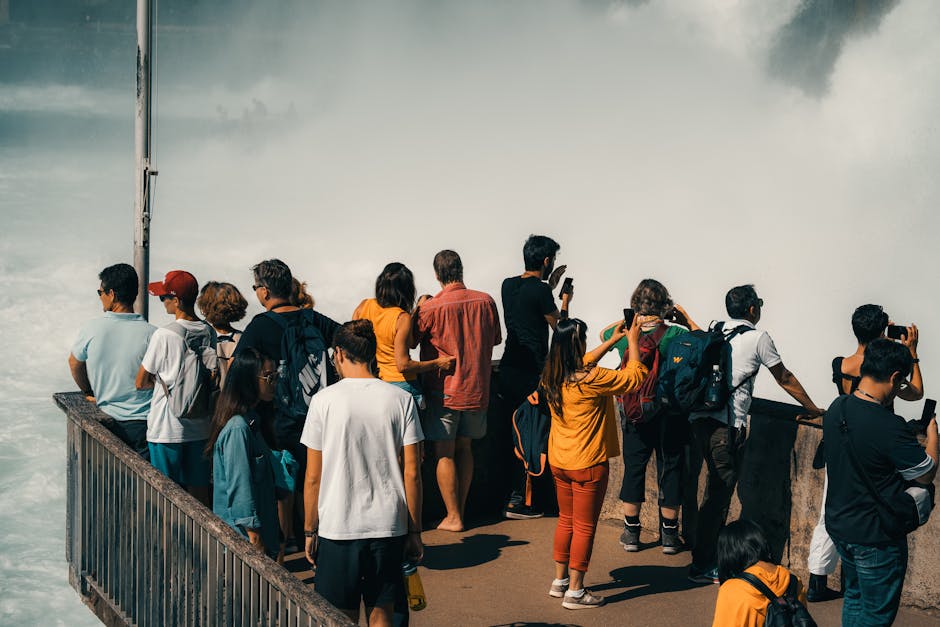
Belgium may be small, but it packs a powerful cultural punch. Located in the heart of Western Europe, it’s bordered by France, Germany, Luxembourg, and the Netherlands—making it an ideal stop on a broader European itinerary. The country is known for its well-preserved medieval architecture, vibrant cities, and a culinary tradition that rivals any in the world.
Brussels, the capital, is home to the European Union institutions and stunning Grand Place. Bruges charms visitors with its cobbled streets and canals, while Antwerp blends fashion, art, and history. Ghent strikes a balance between the two, offering lively nightlife and rich heritage. Each city has its own personality, yet all share a deep appreciation for food, beer, and quality of life.
Top Destinations for First-Time Visitors
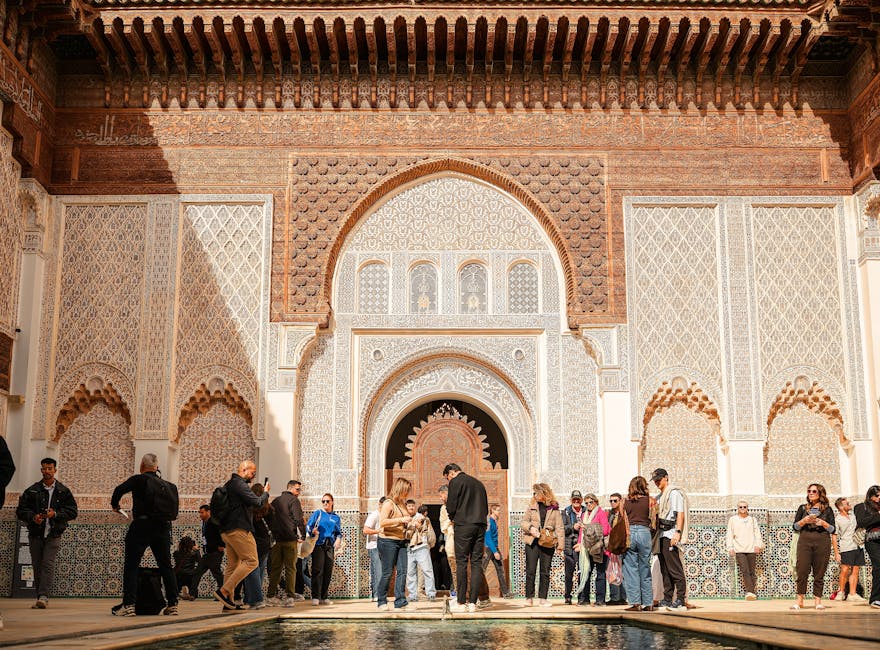
For first-timers, focusing on the “Big Three” cities—Brussels, Bruges, and Ghent—provides a well-rounded introduction. These destinations are easily connected by train and offer a mix of history, culture, and cuisine.
- Brussels: Start here for international connections and major attractions like the Atomium, Manneken Pis, and the Royal Museums of Fine Arts. Don’t miss a stroll through the Sablon district for antique shops and chocolate boutiques.
- Bruges: A UNESCO World Heritage site, Bruges is often called the “Venice of the North.” Its preserved medieval center is best explored on foot or by canal boat. Visit the Belfry Tower for panoramic views and the Church of Our Lady to see Michelangelo’s sculpture.
- Ghent: Less touristy than Bruges but equally beautiful, Ghent features the imposing Gravensteen castle, St. Bavo’s Cathedral (home to the Ghent Altarpiece), and a thriving student population that keeps the city energetic.
Belgian Food: A Culinary Journey
Belgium’s food scene is a major draw for travelers. The country is famous for its waffles, fries, chocolate, and beer—but there’s much more to explore beyond the clichés.
Must-Try Dishes
- Moules-frites: Steamed mussels served with crispy fries. Best enjoyed at a traditional brasserie, especially along the coast or in Brussels. Try them in white wine, cream, or curry sauce.
- Waterzooi: A creamy stew originally made with fish, now often prepared with chicken or vegetables. A comforting dish from Ghent, best sampled at local eateries like Pakhuis.
- Carbonade Flamande: A rich beef stew slow-cooked in dark beer with onions and spices. Served with bread or fries, it’s a winter favorite across the country.
- Waffles: Two main styles exist—Brussels waffles (light, crispy, rectangular) and Liège waffles (dense, sweet, with caramelized sugar). Both are delicious, but locals often prefer Liège for their chewy texture.
Belgian Beer and Chocolate
Belgium produces over 1,500 types of beer, including Trappist ales, lambics, and saisons. Visit a local geuzestekerij (sour beer bar) in Brussels or a brewery in Leuven to sample authentic brews. For chocolate, seek out artisanal shops like Pierre Marcolini, Neuhaus, or smaller family-run chocolatiers. Avoid tourist traps near major squares—authentic quality often lies just a few blocks away.
Getting Around: Transportation Tips
Belgium’s public transportation system is efficient and affordable. Trains connect major cities in under an hour, and buses cover rural areas. Here’s how to navigate:
- Train Travel: Operated by NMBS/SNCB, trains are punctual and comfortable. A single ticket from Brussels to Bruges costs around €15 and takes 50 minutes. Consider a multi-day rail pass if visiting multiple cities.
- Buses and Trams: Useful within cities. Brussels has an extensive network, while Bruges relies more on walking and buses.
- Biking: Belgium is bike-friendly, especially in flat regions. Many cities offer bike-sharing programs, and dedicated lanes make cycling safe and scenic.
- Driving: Not recommended in city centers due to congestion and limited parking. Rent a car only if planning to explore the Ardennes or rural areas.
Best Time to Visit
Belgium has a temperate maritime climate with mild summers and cool winters. The best time to visit is late spring (May to June) or early autumn (September to October), when weather is pleasant, crowds are thinner, and festivals are in full swing.
Summer (July–August) is peak tourist season, especially in Bruges and coastal towns. Expect higher prices and more visitors. Winter brings Christmas markets and cozy indoor dining, but shorter days and occasional rain. Avoid major holidays like Christmas and New Year if you prefer quieter travel.
Practical Travel Tips
- Language: Dutch (Flemish) is spoken in Flanders, French in Wallonia, and both are used in Brussels. English is widely understood in tourist areas.
- Currency: Euro (€). Credit cards are accepted almost everywhere, but carry some cash for small vendors or markets.
- Tipping: Service charge is usually included. Rounding up or leaving 5–10% for exceptional service is appreciated but not expected.
- Safety: Belgium is generally safe, but beware of pickpockets in crowded areas like Brussels’ Grand Place or train stations.
- Etiquette: Belgians value politeness. Greet shopkeepers when entering stores and avoid loud conversations in public transport.
Where to Stay: City Breakdown
Accommodation varies by city and budget. Here’s a quick comparison of top areas to stay:
| City | Best Area to Stay | Budget Option | Mid-Range | Luxury |
|---|---|---|---|---|
| Brussels | European Quarter or Sablon | Hostel in Saint-Gilles | Hotel in Ixelles | Grand Place boutique hotel |
| Bruges | Historic Center | Guesthouse near Burg Square | Canal-side hotel | 5-star heritage property |
| Ghent | Korenmarkt or Graslei | Budget hotel near train station | Design hotel in city center | Boutique hotel with river view |
Day Trips and Hidden Gems
Beyond the main cities, Belgium offers charming escapes. Consider these day trips:
- Brussels to Bruges: 50-minute train ride. Ideal for a half-day or full-day visit.
- Brussels to Antwerp: 45 minutes by train. Explore the Diamond District, Rubens House, and trendy Zuid neighborhood.
- Ardennes Region: A forested area perfect for hiking, kayaking, and castle visits. Dinant and Namur are scenic towns worth exploring.
- Ypres (Ieper): A poignant stop for WWI history. Visit the Menin Gate and In Flanders Fields Museum.
Common Mistakes to Avoid
Even seasoned travelers can stumble in Belgium. Avoid these pitfalls:
- Overpacking your itinerary: Belgium’s cities are compact. Allow time to wander and enjoy a coffee or beer without rushing.
- Eating at tourist-trap restaurants: Restaurants near major squares often serve overpriced, mediocre food. Walk a few blocks away for authentic local fare.
- Ignoring regional specialties: Each region has its own dishes. Try stoofvlees in Flanders or lapin à la bière in Wallonia.
- Not validating train tickets: While rare, fines can apply if you forget to validate paper tickets at the station.
Final Thoughts
This Belgium travel guide with food and travel tips for tourists aims to equip you with the knowledge to explore the country confidently. From savoring a perfectly brewed Trappist beer to wandering cobbled streets under Gothic spires, Belgium rewards thoughtful travelers. With its blend of history, culture, and culinary excellence, it’s a destination that invites return visits.
FAQ
What is the best way to travel between Belgian cities?
The train is the fastest and most convenient option. Trains are frequent, reliable, and connect major cities in under an hour. Book tickets in advance for slight discounts, or use a rail pass for multiple trips.
Do I need to speak French or Dutch to get by in Belgium?
No. While Dutch is spoken in the north and French in the south, English is widely spoken in tourist areas, hotels, and restaurants. Learning a few basic phrases in the local language is appreciated but not required.
Is it safe to drink tap water in Belgium?
Yes, tap water is safe to drink and of high quality throughout Belgium. Many restaurants serve it freely upon request, and it’s also common to refill water bottles at public fountains.