
Best Packing Tips for International Travel in 2026
Planning an international trip in 2026? Packing smart can make or break your travel experience. The best packing tips for international travel in 2026 focus on efficiency, security, and adaptability—ensuring you’re prepared for varying climates, airline restrictions, and unexpected delays. From choosing the right luggage to organizing essentials, this guide covers practical strategies to help you travel lighter, smarter, and with confidence. Whether you’re heading to Europe, Southeast Asia, or South America, these updated methods reflect current airline policies, climate trends, and traveler needs.
Start with the Right Luggage
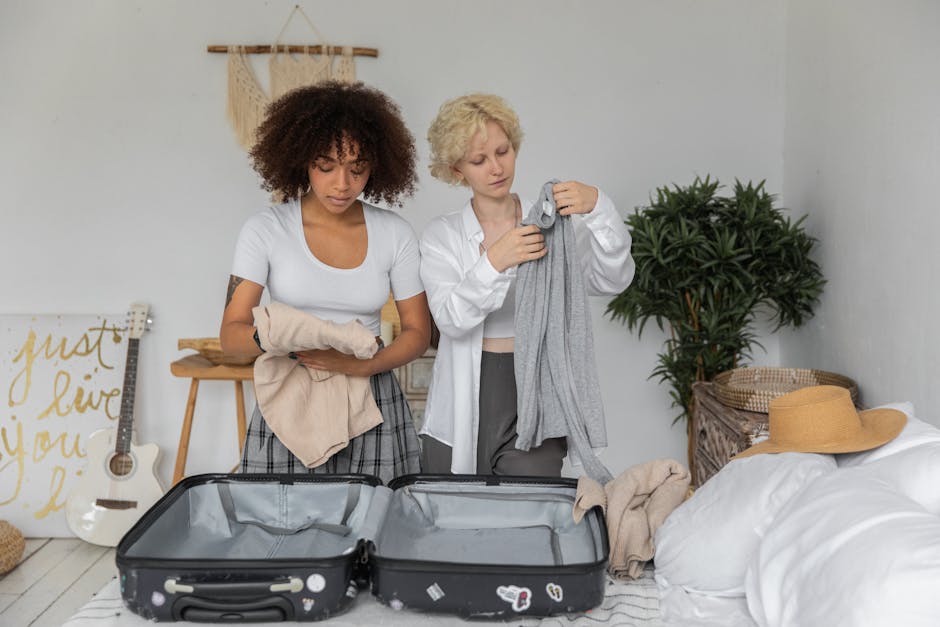
Your suitcase or backpack sets the tone for your entire trip. In 2026, carry-on luggage remains the gold standard for international travelers. Airlines continue to tighten checked baggage policies, and lost luggage incidents are still a common headache. Opt for a durable, lightweight carry-on with four spinner wheels, a TSA-approved lock, and expandable compartments. Hard-shell suitcases offer better protection for electronics and fragile items, while soft-sided bags are lighter and more flexible in tight spaces.
For longer trips, consider a 40–50L travel backpack with a built-in daypack. These are ideal for destinations with uneven terrain or limited storage, such as rural Japan or Morocco. Look for models with anti-theft zippers, RFID-blocking pockets, and padded laptop sleeves. Brands like Osprey, Patagonia, and Away continue to lead in reliability and design.
Master the Art of Packing Light
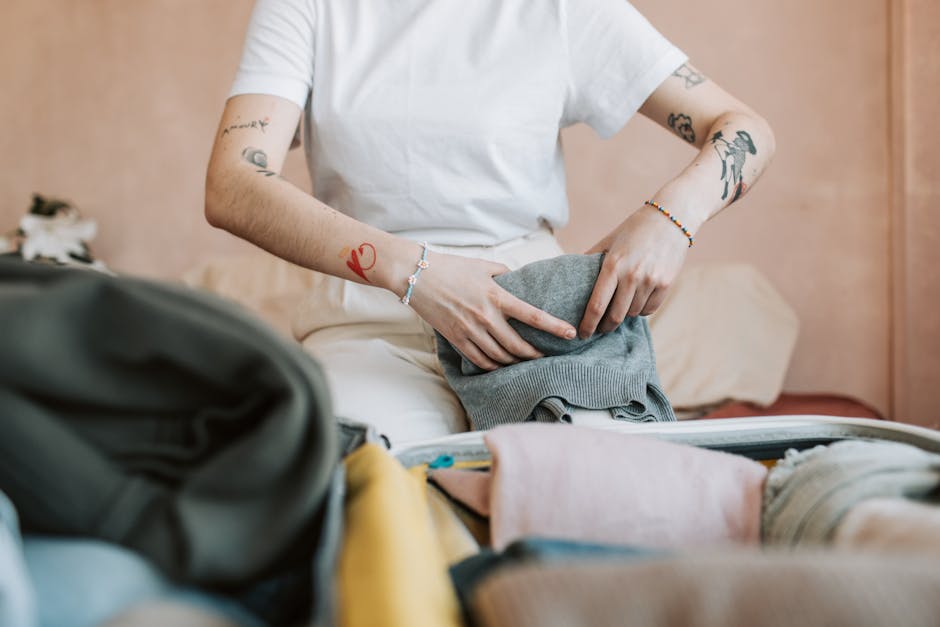
One of the most effective ways to simplify travel is to pack only what you truly need. The “less is more” philosophy not only reduces weight but also minimizes stress at security checkpoints and during transit. Aim for a 7–10 day wardrobe using 5–7 core clothing items that can be mixed and matched.
Use the layering method: pack lightweight base layers, a mid-layer like a merino wool sweater, and a compact outer shell. Neutral colors—black, gray, navy—work best for versatility. Roll clothes instead of folding to save space and reduce wrinkles. For shoes, limit yourself to two pairs: one comfortable walking shoe and one dressier or specialized option (e.g., hiking boots or sandals).
Essential Packing List for 2026
- Passport, visa, and digital copies stored in cloud storage
- Universal power adapter with USB-C ports
- Portable charger (under 100Wh to comply with airline rules)
- Reusable water bottle with built-in filter
- Compression packing cubes for organization
- Basic first-aid kit with pain relievers, antiseptic wipes, and motion sickness tablets
- Quick-dry travel towel
- Noise-canceling earbuds or headphones
- Lightweight rain jacket or packable umbrella
Navigate Airline Restrictions and Security
Airline policies in 2026 continue to evolve, especially around liquids, electronics, and carry-on dimensions. Most international carriers allow one carry-on bag (typically 22 x 14 x 9 inches) and one personal item (like a purse or small backpack). However, budget airlines often charge extra for carry-ons, so always check your airline’s specific rules before packing.
Liquids must still follow the 3-1-1 rule: containers no larger than 3.4 ounces (100ml), all fitting in one quart-sized clear plastic bag. This applies to toiletries, gels, and even some snacks. To avoid delays, transfer shampoo, conditioner, and lotion into travel-sized bottles or use solid alternatives like shampoo bars.
Electronics are generally allowed in carry-ons, but lithium batteries must be packed in your hand luggage—never checked. If you’re carrying a power bank, ensure it’s labeled with watt-hour (Wh) rating and under 100Wh. For added peace of mind, keep important documents and valuables in your personal item, not your main carry-on.
Pack for Health and Safety
Health considerations remain a top priority for international travelers. In 2026, many countries still recommend or require proof of vaccination for certain diseases, depending on your destination. Check the CDC and WHO travel advisories before departure.
Carry a small health kit with essentials like hand sanitizer, disinfectant wipes, and a digital thermometer. If you wear prescription glasses or contacts, bring an extra pair and a copy of your prescription. For medications, keep them in original packaging with clear labels, and carry a doctor’s note if traveling with controlled substances.
Travel insurance is no longer optional. In 2026, comprehensive plans cover trip cancellations, medical emergencies, and even pandemic-related disruptions. Ensure your policy includes coverage for adventure activities if you plan to hike, scuba dive, or ski.
Organize with Packing Cubes and Tech Tools
Packing cubes are a game-changer for staying organized. Use separate cubes for tops, bottoms, undergarments, and accessories. This system makes it easy to find items without unpacking everything. Color-coded cubes can help family members keep their belongings separate.
Tech tools can also streamline your packing process. Apps like PackPoint generate personalized packing lists based on destination, weather, and trip duration. Smart luggage tags with GPS tracking help you monitor your bag’s location in real time—useful in crowded airports or unfamiliar cities.
Prepare for Climate and Cultural Differences
Research your destination’s climate and cultural norms before packing. For example, visiting temples in Thailand or India often requires covered shoulders and knees. In contrast, Scandinavian countries may demand warm, insulated clothing even in spring.
Check seasonal weather patterns. While Europe may be mild in May, Southeast Asia could be in the middle of monsoon season. Pack accordingly: breathable fabrics for humidity, thermal layers for cold snaps, and sun protection for high-altitude destinations like Peru or Nepal.
Smart Packing Strategies for Families and Solo Travelers
Families should assign one person as the “document holder” to manage passports, tickets, and reservations. Use shared packing cubes for kids’ clothes and label everything clearly. Bring entertainment like coloring books or tablets with downloaded shows for long flights.
Solo travelers benefit from minimalist packing and secure storage. Choose accommodations with lockers or safes, and carry a money belt for cash and cards. A compact daypack is essential for exploring cities without hauling your entire suitcase.
Comparison: Carry-On vs. Checked Luggage for International Travel
| Feature | Carry-On Luggage | Checked Luggage |
|---|---|---|
| Cost | Often free (with most airlines) | Fees apply (especially with budget carriers) |
| Security | You keep your belongings with you | Risk of loss, damage, or theft |
| Convenience | No wait at baggage claim | Must collect after landing |
| Space | Limited (typically 40–50L max) | More room for souvenirs and extras |
| Best For | Short trips, business travel, frequent flyers | Long vacations, bulky items, families with strollers |
Final Tips for Stress-Free Packing
Pack a change of clothes and essential toiletries in your carry-on in case your checked bag is delayed. Weigh your luggage before leaving home—many smart scales connect to your phone via Bluetooth. Leave room for souvenirs; you can always ship items home if needed.
Label your luggage with a durable tag that includes your name, phone number, and email. Avoid using your home address for privacy. For extra security, use a luggage strap or distinctive cover to make your bag easily identifiable.
Finally, do a final walk-through of your packing list 24 hours before departure. Double-check travel documents, confirm flight times, and ensure your devices are charged. A little preparation goes a long way in ensuring a smooth journey.
FAQ
What should I pack in my carry-on for international flights?
Always pack your passport, boarding pass, medications, electronics, a change of clothes, and valuable items in your carry-on. This ensures you have essentials if your checked luggage is delayed or lost.
Can I bring a power bank on an international flight?
Yes, but it must be in your carry-on and rated under 100 watt-hours (Wh). Most portable chargers are well below this limit, but always check the label to be safe.
How can I avoid overpacking for a two-week trip?
Use the capsule wardrobe method: select 5–7 versatile pieces in coordinating colors. Roll clothes, use packing cubes, and limit shoes to two pairs. Plan to do laundry once during your trip if needed.