
Best Places to Visit in Laos for Cultural Experiences
Laos offers some of Southeast Asia’s most authentic and immersive cultural experiences, from ancient Buddhist temples to living traditions in remote villages. The best places to visit in Laos for cultural experiences blend spiritual heritage, ethnic diversity, and centuries-old customs rarely altered by mass tourism. Whether you’re exploring the historic streets of Luang Prabang, joining a Baci ceremony in a rural home, or witnessing alms-giving at dawn, Laos rewards travelers seeking depth over spectacle. This guide highlights the top destinations where culture isn’t just preserved—it’s lived daily.
Why Laos Stands Out for Cultural Travel
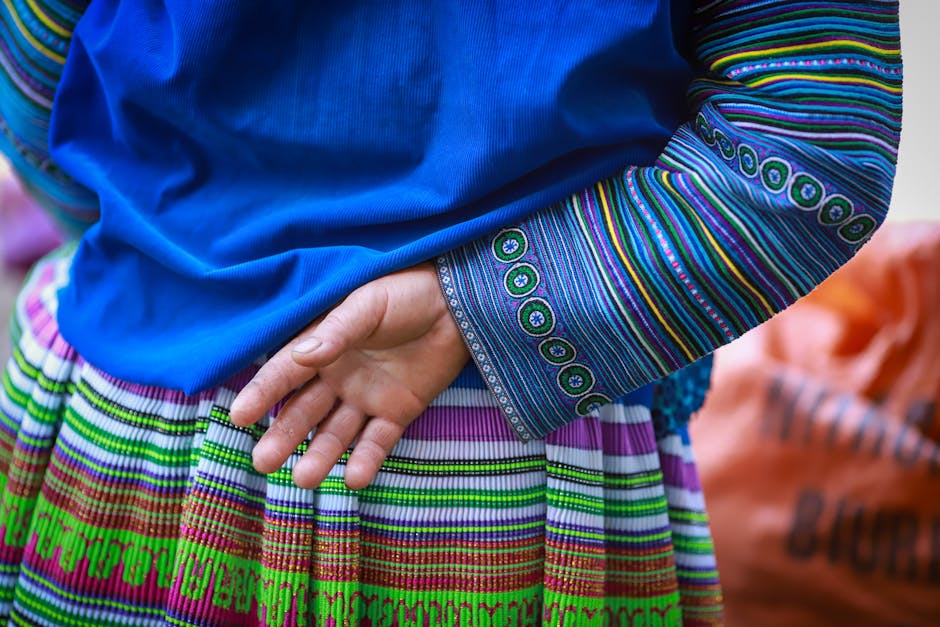
Unlike its more commercialized neighbors, Laos maintains a quiet dignity rooted in Theravāda Buddhism, agrarian rhythms, and over 40 distinct ethnic groups. The country’s low tourist density means interactions feel genuine, not staged for visitors. Cultural practices—from weaving and rice farming to spirit worship and monastic life—remain central to daily existence. This authenticity makes Laos ideal for travelers who want to observe, learn, and respectfully engage with local traditions without the filter of performance tourism.
Luang Prabang: UNESCO Heritage and Spiritual Heart
Nestled between the Mekong and Nam Khan rivers, Luang Prabang is Laos’ cultural crown jewel. A UNESCO World Heritage site since 1995, the town blends French colonial architecture with traditional Lao wooden houses and over 30 active temples. Morning alms-giving (Tak Bat) at dawn remains a solemn, centuries-old ritual where locals offer sticky rice to saffron-robed monks—a powerful symbol of merit-making in Lao Buddhism.
Key cultural sites include:
- Wat Xieng Thong: A 16th-century temple complex renowned for its intricate mosaics, sweeping rooflines, and the royal funerary carriage.
- Mount Phousi: Offers panoramic views and houses small shrines; best visited at sunrise or sunset.
- Traditional Arts and Ethnology Centre: Focuses on Laos’ ethnic minorities, with exhibits on textiles, languages, and spiritual beliefs.
Visitors should dress modestly (covered shoulders and knees) when entering temples and avoid disrupting ceremonies. Photography during Tak Bat is discouraged out of respect.
Wat Phou in Champasak: Ancient Khmer Legacy
Located in southern Laos, Wat Phou is a ruined Khmer temple complex dating to the 5th century. Once dedicated to Shiva, it later became a Buddhist site and is now a UNESCO-listed ruin set against the backdrop of Phou Khao mountain. Unlike Angkor Wat, Wat Phou sees few crowds, allowing for quiet reflection amid sandstone carvings, lingam shrines, and lotus-bud towers.
The site hosts an annual festival in February or March, drawing pilgrims who climb the sacred mountain to honor ancestral spirits. Travelers can combine a visit with a stop at nearby Oum Moung Temple, still used by local monks, or explore the surrounding rice paddies by bicycle.
Xieng Khouang and the Plain of Jars: Mysteries of the Past
The Plain of Jars in Xieng Khouang province presents one of Southeast Asia’s greatest archaeological puzzles: thousands of stone jars, some weighing several tons, scattered across rolling hills. Believed to be burial markers from 500 BCE to 500 CE, their exact purpose remains unknown. The jars are grouped into sites (Site 1 is the most accessible), each offering a haunting, open-air museum experience.
Due to extensive bombing during the Vietnam War, the region is still recovering. Visitors should stick to cleared paths—UXO (unexploded ordnance) remains a danger. The nearby COPE Visitor Centre in Phonsavan educates on Laos’ wartime history and supports victims of landmines, adding a poignant layer to any cultural journey.
Traditional Villages: Living Culture in Northern Laos
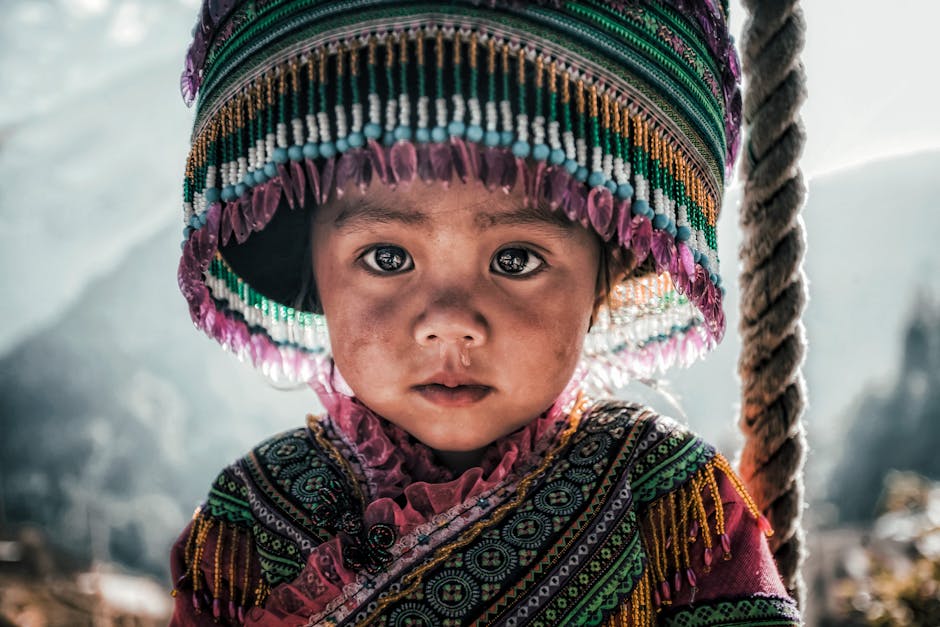
For a deeper connection, venture into rural villages where daily life reflects centuries of tradition. In northern Laos, ethnic groups like the Hmong, Khmu, and Tai Lue maintain distinct languages, dress, and customs.
Nam Et-Phou Louey National Protected Area: Offers community-based ecotourism with homestays where guests participate in rice planting, weaving, and Baci ceremonies—rituals invoking spirits for protection and harmony.
Bokeo Nature Reserve: Home to the Black Lahu and other hill tribes; guided village walks include visits to spirit houses and traditional medicine demonstrations.
Responsible travel is essential. Always ask permission before photographing people or entering homes. Support local economies by purchasing handmade crafts directly from artisans.
Vientiane: Subtle Capital with Cultural Depth
Laos’ capital is often overlooked, but Vientiane offers understated cultural gems. Wat Si Saket, built in 1818, houses over 6,000 Buddha images and survived the 1827 Siamese invasion. The adjacent Haw Phra Kaew, once a royal temple, now displays religious artifacts after being converted into a museum.
The Patuxai Victory Monument, modeled after Paris’ Arc de Triomphe, reflects French colonial influence, while the morning market at Talat Sao sells everything from herbal remedies to ritual items. For a quiet moment, visit the Lao National Museum, which chronicles the country’s journey from monarchy to modern state—though exhibits are text-heavy and best appreciated with a guide.
Festivals: When Culture Comes Alive
Timing your trip around a festival offers unparalleled cultural access. Key events include:
- Pi Mai Lao (Lao New Year): Held in April, it features water blessings, sand stupas, and street processions.
- Boun Bang Fai (Rocket Festival): Celebrated in May, especially in Xieng Khouang, with homemade rockets launched to encourage rain.
- Boun Ok Phansa: Marks the end of Buddhist Lent in October with illuminated boat processions on the Mekong.
Festivals are deeply spiritual, not tourist spectacles. Dress conservatively and follow local cues—applauding or loud behavior may be inappropriate.
How to Experience Culture Respectfully
Cultural travel in Laos requires awareness and humility. Follow these guidelines:
- Dress modestly: Cover shoulders and knees, especially at temples and villages.
- Remove shoes: Before entering homes, temples, or certain guesthouses.
- Ask before photographing: People, religious sites, and private spaces.
- Learn basic Lao phrases: “Sabaidee” (hello) and “khob chai” (thank you) go a long way.
- Support community tourism: Choose homestays and local guides over large resorts.
Avoid touching people’s heads, pointing feet at others, or stepping over food—all considered disrespectful in Lao culture.
Top 5 Cultural Destinations Compared
| Destination | Key Cultural Feature | Best For | Travel Tip |
|---|---|---|---|
| Luang Prabang | Tak Bat ceremony, Wat Xieng Thong | Spiritual immersion, architecture | Visit early morning; avoid flash photography |
| Wat Phou | Khmer ruins, mountain pilgrimage | History, quiet reflection | Combine with a boat trip on the Mekong |
| Plain of Jars | Prehistoric stone jars, war history | Archaeology, sobering context | Stay on marked paths; visit COPE Centre |
| Northern Villages | Ethnic traditions, Baci rituals | Community interaction, authenticity | Book through responsible tour operators |
| Vientiane | Colonial-religious blend, museums | Urban culture, historical context | Hire a local guide for deeper insights |
Final Thoughts
The best places to visit in Laos for cultural experiences are those where tradition isn’t performed—it’s lived. From the sacred rhythms of Luang Prabang to the quiet dignity of rural villages, Laos offers a rare window into a culture shaped by faith, resilience, and community. Travel slowly, listen more than you speak, and prioritize respect over convenience. In return, you’ll gain not just memories, but meaningful connections.
FAQ
Q: Is it safe to visit temples in Laos as a tourist?
A: Yes, but always dress modestly, remove shoes when required, and avoid disruptive behavior. Many temples welcome respectful visitors.
Q: Can I participate in a Baci ceremony?
A: In some community-based tours, yes—but participation is usually observational unless invited. Never initiate a ceremony yourself.
Q: Do I need a guide to explore cultural sites?
A: Not always, but a local guide enhances understanding, especially at historical sites like Wat Phou or the Plain of Jars, where context is essential.