
Best Places to Visit in Nepal for Adventure Travelers
Nepal is a dream destination for adventure travelers, offering everything from high-altitude treks to white-water rafting and jungle safaris. With its dramatic Himalayan landscapes, rich biodiversity, and deep cultural heritage, the country provides endless opportunities for thrill-seekers. Whether you’re drawn to summiting peaks, navigating remote trails, or experiencing local traditions, Nepal delivers unforgettable adventures. This guide highlights the best places to visit in Nepal for adventure travelers, focusing on must-see destinations, activities, and practical tips to help you plan a safe and rewarding journey.
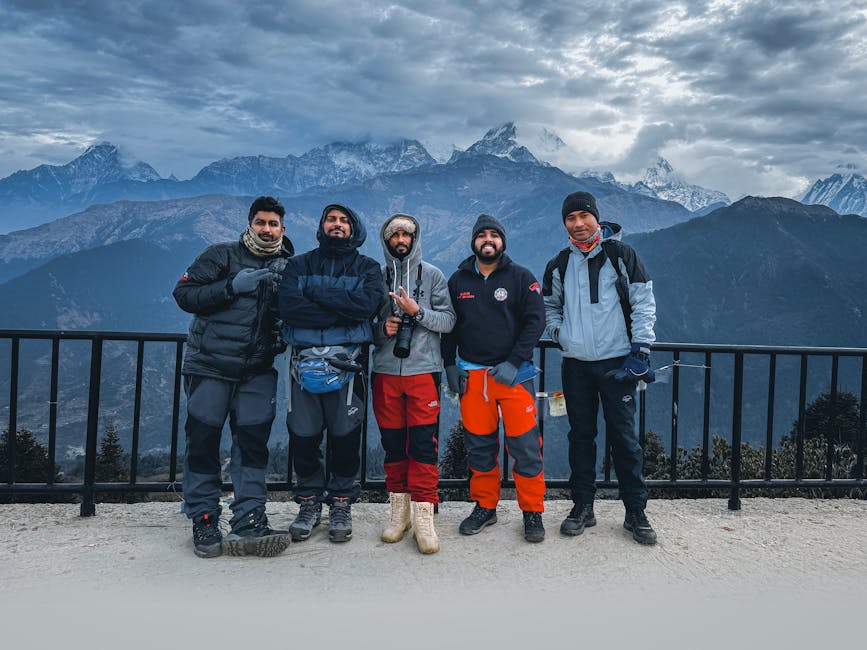
Why Nepal Is a Top Destination for Adventure
Nepal’s geography is uniquely suited for adventure tourism. Nestled between India and China, the country features eight of the world’s ten highest mountains, including Mount Everest. Its diverse terrain ranges from subtropical forests in the south to alpine zones in the north, creating ideal conditions for trekking, mountaineering, paragliding, and more. The government supports adventure tourism through regulated permits and licensed guides, ensuring safety and sustainability. Additionally, Nepal’s cultural sites—like ancient temples and monasteries—add depth to outdoor experiences, making it more than just a physical challenge.
Top Adventure Destinations in Nepal
Several regions stand out for their adventure offerings. Each provides distinct activities and landscapes, catering to different skill levels and interests. Below are the most popular and rewarding spots.
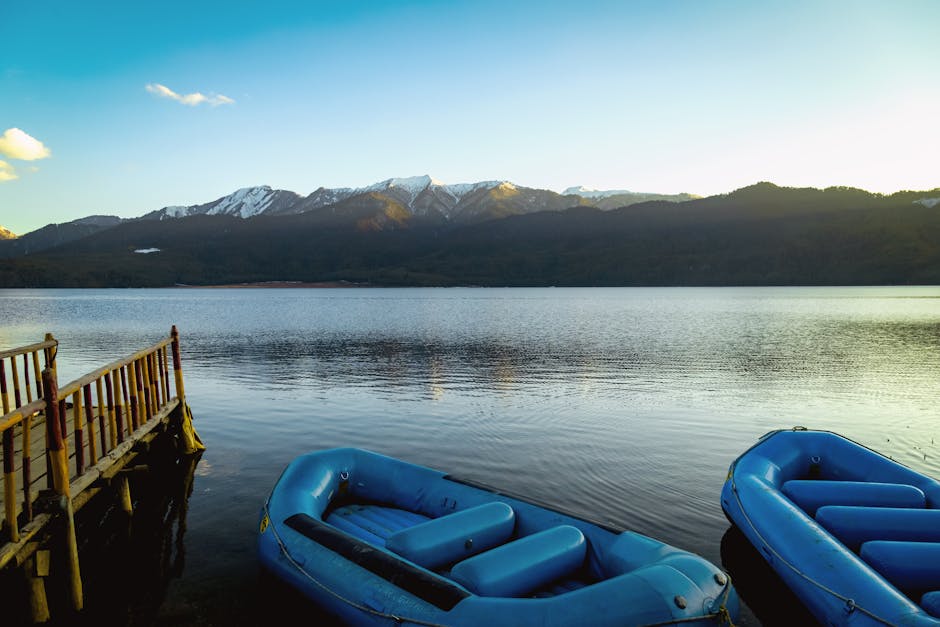
1. Everest Region (Khumbu)
The Everest region is synonymous with high-altitude adventure. Home to the world’s tallest peak, it attracts trekkers and climbers from around the globe. The classic Everest Base Camp Trek takes about 12–14 days and reaches elevations over 5,300 meters. Along the way, travelers pass Sherpa villages, Buddhist monasteries, and stunning glacial valleys. For those seeking a shorter option, the Gokyo Lakes Trek offers equally breathtaking views with fewer crowds.
Permits are required: the Sagarmatha National Park entry permit and the Khumbu Pasang Lhamu Rural Municipality permit. Altitude sickness is a real risk—acclimatization days are essential. Most trekkers fly into Lukla, a challenging airstrip that adds to the adventure.
2. Annapurna Region
The Annapurna Circuit is one of the world’s most famous trekking routes. Spanning over 200 kilometers, it circles the Annapurna Massif and passes through diverse ecosystems—from lush rhododendron forests to arid high deserts. The trek typically takes 15–20 days, with the Thorong La Pass at 5,416 meters as the highest point.
For a less strenuous option, the Poon Hill Trek offers panoramic views of the Annapurnas and Dhaulagiri ranges in just 4–5 days. Both routes provide access to traditional villages, hot springs, and local cuisine. The region is well-developed for tourism, with tea houses offering basic lodging and meals.
3. Langtang Valley
Located just north of Kathmandu, the Langtang Valley is ideal for travelers seeking a remote experience without extreme altitude. The Langtang Trek takes 7–10 days and features dense forests, glacial rivers, and views of Langtang Lirung (7,227 meters). The area was affected by a 2015 earthquake but has since recovered, with improved trails and community-based tourism initiatives.
This region is less crowded than Everest or Annapurna, making it perfect for those who prefer solitude. It’s also accessible year-round, though monsoon season (June–September) brings heavy rain and leeches.
4. Manaslu Circuit Trek
The Manaslu Circuit is a remote, restricted-area trek that circles Mount Manaslu (8,163 meters), the eighth-highest peak in the world. This 14–18 day journey requires a special permit and at least two trekkers in a group, enforced to preserve the region’s culture and environment.
The trail passes through traditional Tibetan-influenced villages, high mountain passes, and pristine forests. The Larkya La Pass (5,106 meters) is the most challenging section. Due to its isolation, this trek offers a more authentic and less commercialized experience.
5. Chitwan National Park
For adventure beyond the mountains, Chitwan National Park offers jungle safaris, elephant rides, and canoe trips along the Rapti River. Located in the subtropical Terai region, it’s a UNESCO World Heritage Site and home to Bengal tigers, one-horned rhinos, and gharial crocodiles.
Visitors can stay in eco-lodges and participate in guided nature walks, birdwatching, and Tharu cultural performances. While not high-altitude, Chitwan provides a different kind of adventure—immersion in wildlife and local traditions.
6. Pokhara and Phewa Lake
Pokhara is Nepal’s adventure capital and a hub for paragliding, kayaking, and mountain biking. Set beside Phewa Lake with views of the Annapurna range, it’s a popular base for trekkers and a destination in its own right.
Paragliding from Sarangkot offers a bird’s-eye view of the Himalayas and the lake below. The flight lasts 20–30 minutes and is suitable for beginners. Kayaking and paddleboarding on Phewa Lake are also popular, especially at sunrise. For mountain bikers, trails around the city lead to hilltop viewpoints and rural villages.
7. Upper Mustang
Upper Mustang is a desert-like region in the rain shadow of the Himalayas, offering a stark contrast to Nepal’s lush south. Once a forbidden kingdom, it opened to tourists in 1992 and remains one of the most culturally preserved areas in the country.
The trek to Lo Manthang, the walled capital, takes about 10–14 days and requires a special restricted area permit. Travelers pass through ancient monasteries, cave systems, and dramatic red-rock cliffs. The landscape resembles Tibet, and the culture reflects strong Buddhist influences.
Adventure Activities Beyond Trekking
While trekking dominates Nepal’s adventure scene, other activities offer unique thrills.
White-Water Rafting and Kayaking
Nepal’s rivers—fed by Himalayan glaciers—provide world-class rafting opportunities. The Trishuli River is the most accessible, located a few hours from Kathmandu, with rapids rated Class II–IV. It’s ideal for beginners and families. The Sun Koshi River, one of the longest rafting routes in Asia, offers an 8–10 day expedition through remote canyons and challenging rapids (Class III–V).
Kayaking is also growing in popularity, with guided expeditions on the Kali Gandaki and Bhote Koshi rivers. Professional guides and safety equipment are essential, especially on longer trips.
Mountaineering and Peak Climbing
For experienced climbers, Nepal offers numerous peaks above 6,000 meters that require technical skills but not full-scale expeditions. Popular choices include Mera Peak (6,476 meters) and Island Peak (6,189 meters), both in the Everest region. These climbs involve glacier travel, ice climbing, and high-altitude camping.
All climbs require permits from the Nepal Mountaineering Association (NMA) and must be done with a licensed guide. Weather windows are short, typically in spring (April–May) and autumn (September–November).
Bungee Jumping and Zip-lining
The Last Resort, located on the border of the Tibetan plateau, offers one of the world’s highest bungee jumps at 200 meters. It’s accessible via a 3–4 day trek or helicopter ride. For a quicker thrill, the Sarangkot Zip Line near Pokhara spans 1.8 kilometers and flies over forests and valleys at speeds up to 100 km/h.
Planning Your Adventure Trip
Proper preparation ensures a safe and enjoyable experience. Consider the following steps:
- Choose the right season: Spring (March–May) and autumn (October–November) offer the best weather for trekking and climbing. Winter is cold but clear at lower elevations; monsoon season brings rain and leeches.
- Obtain necessary permits: Most trekking regions require a TIMS (Trekkers’ Information Management System) card and a national park or restricted area permit. Fees vary by region.
- Hire a guide or porter: Licensed guides improve safety and provide cultural insights. Porters carry gear, reducing physical strain. Agencies in Kathmandu and Pokhara offer reliable services.
- Pack appropriately: Layered clothing, waterproof gear, sturdy boots, and a good sleeping bag are essential. Rentals are available in major trekking hubs.
- Prepare for altitude: Ascend gradually, stay hydrated, and recognize symptoms of altitude sickness (headache, nausea, dizziness). Descend immediately if symptoms worsen.
Compact Comparison of Top Adventure Destinations
| Destination | Best For | Duration | Difficulty | Best Season |
|---|---|---|---|---|
| Everest Base Camp | High-altitude trekking, iconic views | 12–14 days | Challenging | Mar–May, Oct–Nov |
| Annapurna Circuit | Cultural immersion, diverse landscapes | 15–20 days | Moderate to challenging | Mar–May, Oct–Nov |
| Langtang Valley | Solitude, forests, accessibility | 7–10 days | Moderate | Mar–May, Oct–Nov |
| Manaslu Circuit | Remote trekking, cultural preservation | 14–18 days | Challenging | Mar–May, Oct–Nov |
| Upper Mustang | Desert landscape, Tibetan culture | 10–14 days | Moderate | Mar–May, Oct–Nov |
Safety and Responsible Travel
Safety should always be a priority. Avalanches, landslides, and sudden weather changes can occur in mountainous areas. Travel insurance that covers high-altitude trekking and emergency evacuation is strongly recommended. Always inform someone of your itinerary and check in regularly.
Responsible travel practices help preserve Nepal’s environment and culture. Stick to marked trails, avoid single-use plastics, and respect local customs—such as dressing modestly in villages and asking before photographing people. Supporting local businesses, like tea houses and family-run lodges, ensures tourism benefits communities directly.
Conclusion
Nepal remains one of the world’s premier destinations for adventure travel. From the towering peaks of the Everest region to the serene jungles of Chitwan, the country offers a diverse range of experiences for every kind of adventurer. The best places to visit in Nepal for adventure travelers combine natural beauty, physical challenge, and cultural richness. With proper planning, respect for local norms, and a focus on safety, your journey through Nepal can be both thrilling and transformative.
FAQ
Q: Do I need a guide for trekking in Nepal?
A: While not mandatory for all regions, hiring a licensed guide is strongly recommended, especially in restricted areas like Upper Mustang and Manaslu. Guides enhance safety, provide cultural context, and assist with logistics.
Q: What is the best time of year for adventure travel in Nepal?
A: Spring (March to May) and autumn (October to November) offer the most stable weather, clear skies, and optimal trekking conditions. These seasons are ideal for most adventure activities.
Q: Is it safe to travel alone in Nepal?
A: Solo travel is possible, but group trekking is safer and often required in restricted areas. Always register your plans, carry communication devices, and stay on established routes.