
Best Road Trip Destinations in USA for Travelers
The United States offers some of the most diverse and scenic routes for road trips, making it a top choice for travelers seeking adventure, natural beauty, and cultural experiences. Whether you’re drawn to coastal highways, mountain passes, or historic trails, the best road trip destinations in USA provide unforgettable journeys. From the Pacific Coast Highway to the Blue Ridge Parkway, these routes combine stunning landscapes with charming towns, national parks, and iconic landmarks. This guide highlights top routes, practical planning tips, and essential stops to help you choose the perfect road trip for your next vacation.

Top Road Trip Routes in the United States
Choosing the right route is the first step to a successful road trip. The best road trip destinations in USA span coastlines, deserts, forests, and cities, each offering unique sights and experiences. Here are five standout routes that consistently rank among travelers’ favorites.
1. Pacific Coast Highway (California)
Stretching over 650 miles from San Francisco to San Diego, California’s Highway 1 is a classic coastal drive. Known for dramatic cliffs, ocean views, and iconic stops like Big Sur, Monterey, and Santa Barbara, this route is ideal for travelers who love scenic beauty and seaside towns. Be prepared for winding roads and occasional closures due to landslides, especially in winter. Plan extra time for photo stops and small-town exploration.
2. Route 66 (Chicago to Santa Monica)
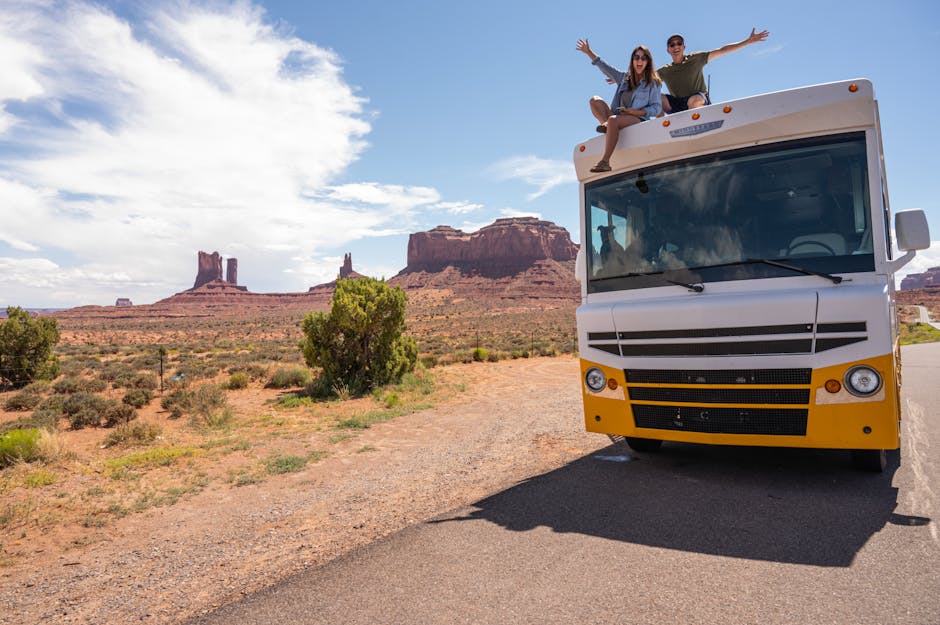
This historic highway spans over 2,400 miles and crosses eight states, offering a nostalgic journey through Americana. From the skyscrapers of Chicago to the deserts of Arizona and the beaches of Santa Monica, Route 66 is rich in roadside attractions, vintage diners, and small-town charm. While much of the original route is no longer continuous, well-marked segments make it drivable with some planning.
3. Blue Ridge Parkway (Virginia to North Carolina)
Running 469 miles through the Appalachian Mountains, the Blue Ridge Parkway connects Shenandoah National Park to Great Smoky Mountains National Park. With an average speed limit of 45 mph, this route is designed for slow, scenic travel. Fall foliage is particularly spectacular, but spring wildflowers and summer greenery are equally rewarding. Pack layers—weather changes quickly at higher elevations.
4. The Great River Road (Minnesota to Louisiana)
Following the Mississippi River through 10 states, this route offers a blend of history, culture, and riverside scenery. Travelers can explore river towns like Dubuque, Iowa, and Memphis, Tennessee, while learning about Native American heritage, Civil War history, and blues music. The road includes both rural stretches and urban centers, making it ideal for varied interests.
5. Going-to-the-Sun Road (Montana)
Located entirely within Glacier National Park, this 50-mile road crosses the Continental Divide at Logan Pass. With steep cliffs, alpine meadows, and glacial lakes, it’s one of the most breathtaking drives in the country. The road typically opens in late June and closes in October due to snow. Reservations are required during peak season, so book early.
Planning Your Ideal Road Trip
A successful road trip depends on thoughtful preparation. Start by choosing a route that matches your travel style—whether you prefer solitude in nature or lively city stops. Consider the time of year, as weather and crowds vary significantly by season. For example, summer is peak time for national parks, but spring and fall offer milder weather and fewer tourists.
Next, map out your stops. Include a mix of must-see attractions and flexible time for spontaneous discoveries. Use apps like Google Maps or Roadtrippers to estimate driving times and locate gas stations, rest areas, and accommodations. Always check road conditions and park alerts before departure, especially in mountainous or remote regions.
Budgeting is another key factor. Factor in fuel, lodging, food, park fees, and vehicle maintenance. RVs and campervans offer flexibility but come with higher costs. For budget-conscious travelers, camping or staying in motels can significantly reduce expenses. Don’t forget to set aside funds for emergencies or unexpected detours.
Essential Stops and Hidden Gems
While major landmarks draw crowds, some of the most memorable experiences come from lesser-known stops. Along the Pacific Coast Highway, visit McWay Falls in Julia Pfeiffer Burns State Park—an 80-foot waterfall that drops directly onto a beach. On Route 66, explore the Cadillac Ranch in Amarillo, Texas, where vintage cars are buried nose-down in a field.
In the Blue Ridge Mountains, detour to Asheville, North Carolina, for its vibrant arts scene and craft breweries. Near the Great River Road, stop at the National Mississippi River Museum & Aquarium in Dubuque, Iowa. And in Montana, take a short hike to Avalanche Lake from the Going-to-the-Sun Road for a serene alpine experience.
Comparison of Top Road Trip Destinations
| Destination | Distance | Best Time to Visit | Key Highlights |
|---|---|---|---|
| Pacific Coast Highway | 650 miles | April–October | Big Sur, Monterey Bay, coastal cliffs |
| Route 66 | 2,448 miles | Spring, Fall | Historic towns, roadside attractions, deserts |
| Blue Ridge Parkway | 469 miles | May–October | Mountain vistas, fall colors, hiking trails |
| Great River Road | 3,000 miles | April–October | River towns, museums, cultural sites |
| Going-to-the-Sun Road | 50 miles | Late June–September | Glacier views, alpine lakes, wildlife |
Safety and Practical Tips
Safety should always be a priority on any road trip. Ensure your vehicle is in good condition—check tires, brakes, fluids, and lights before leaving. Carry a spare tire, jumper cables, and a basic toolkit. In remote areas, cell service may be limited, so download offline maps and share your itinerary with someone at home.
Stay alert while driving, especially on winding or unfamiliar roads. Avoid long stretches behind the wheel without breaks—stop every two hours to stretch and rest. Keep water, snacks, and a first-aid kit in your car. In national parks, follow wildlife guidelines and stay on designated trails.
Finally, respect local communities and environments. Dispose of trash properly, follow Leave No Trace principles, and support small businesses along your route. These practices help preserve the beauty and culture of the places you visit.
Final Thoughts
The best road trip destinations in USA offer more than just beautiful scenery—they provide opportunities for connection, discovery, and adventure. Whether you’re exploring a single state or crossing the country, a well-planned road trip can be one of the most rewarding ways to travel. With diverse landscapes, rich history, and endless possibilities, the open road awaits.
Frequently Asked Questions
What is the best time of year for a road trip in the USA?
The ideal time depends on your destination. Spring and fall offer mild weather and fewer crowds in most regions. Summer is best for mountain and northern routes, while winter is suitable for southern and desert areas. Always check seasonal road closures and park conditions.
Do I need a special vehicle for long road trips?
Most standard vehicles are suitable for well-maintained highways and park roads. For rugged terrain or off-grid camping, consider an SUV or vehicle with higher clearance. Ensure your car is serviced and equipped with emergency supplies regardless of the model.
How can I save money on a road trip?
Save by camping instead of hotels, cooking meals, using gas reward programs, and visiting free attractions like national parks with entrance fee waivers. Traveling during shoulder seasons and booking accommodations in advance also helps reduce costs.